
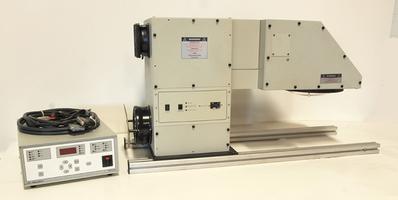
Light Sources
Light sources are essential components in laboratory settings, providing illumination for experiments, imaging, and curing processes. These systems offer precision and reliability, with specific wavelength outputs such as 365nm and 250nm-450nm, ensuring accurate and consistent results across various applications.
-
-
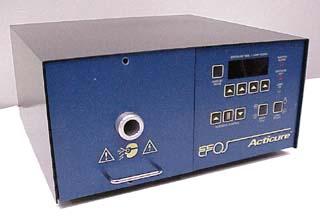
EFOS UV/VISIBLE SPOT CURE SYSTEM 250NM - 450NM
UV/Visible Spot Cure System Efos Acticure A4000
Efos has been acquired by EXFO
-
-
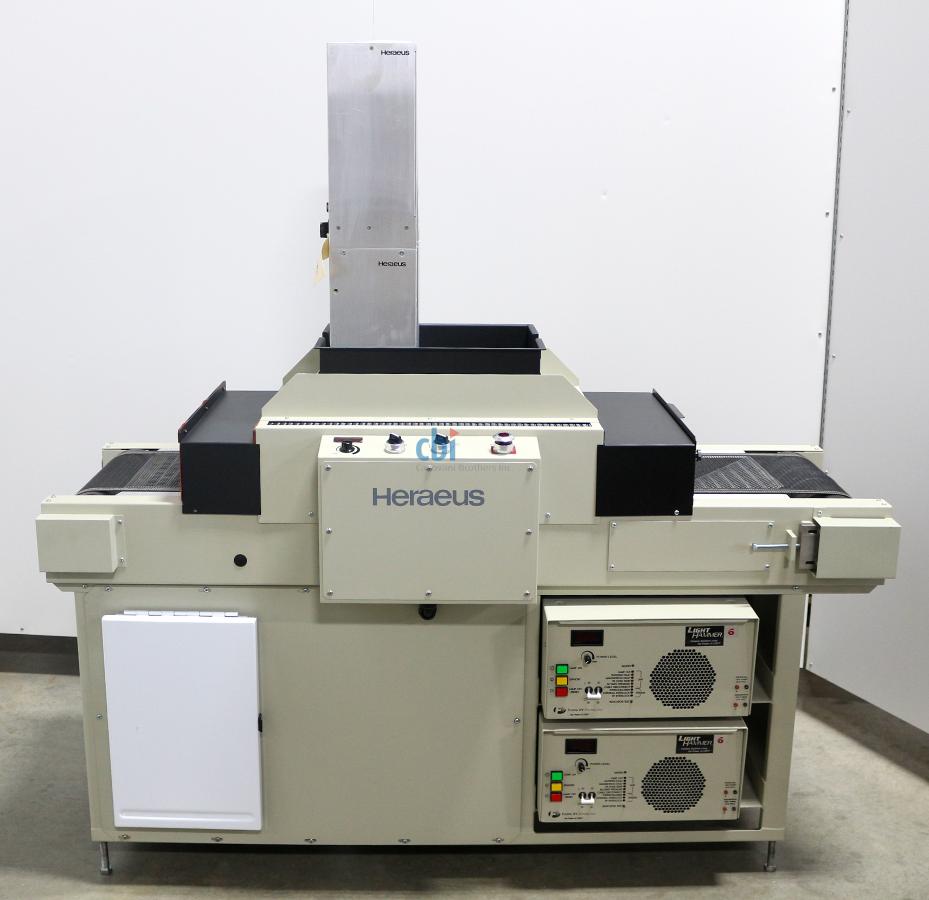
HERAEUS NOBLELIGHT LIGHT HAMMER UV CURING SYSTEM
Conveyor-Equipped UV Curing Systems With Two Six Inch Lamp Assemblies
Conveyor-equipped systems for laboratory R&D or production line use. A wide range of standard and optional features to meet your specific UV curing needs.
-
-
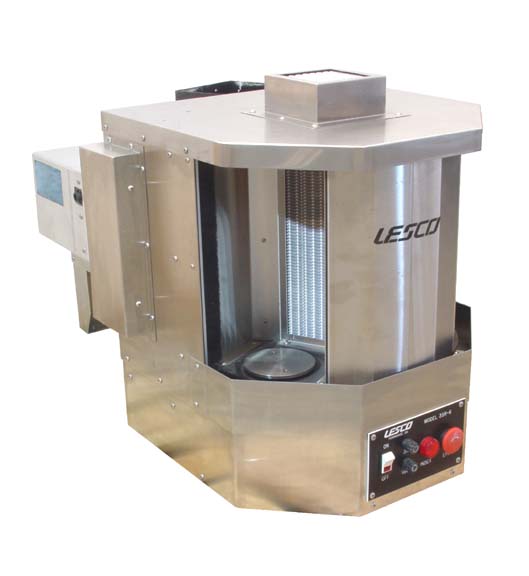
LESCO THREE STATION ROTATING UV CURING SYSTEM
Three Station Rotating UV Curing System Lesco 3SR-6
Lesco acquired by American Ultraviolet
-
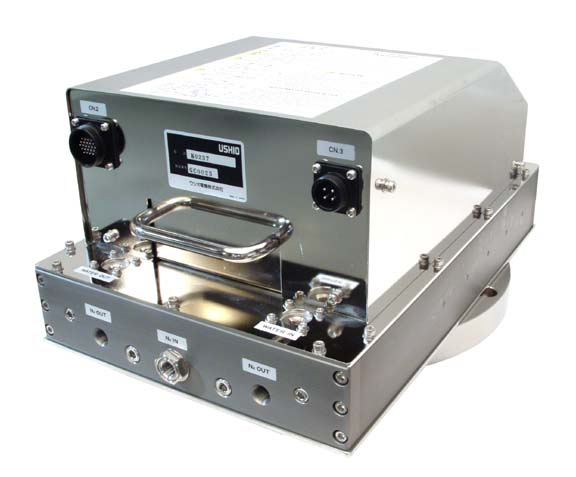
USHIO SUS 55
Excimer VUV/03 Cleaning Unit UV Cleaning Applications:
- Enhancement of wetability and adhesion of photoresist
- Enhancement of wetability of SOG
- Cleaning before deposition process
- Soft ashing
- High-speed removal of static electricity
- Cleaning of reticles Features:
- Simple dry cleaning allows removal of most of organic matter
- No charging damage
- Instantaneous on/off operation suited to single-wafer process
- Low-temperature process
- Cleaning process can be performed under atmospheric air
-
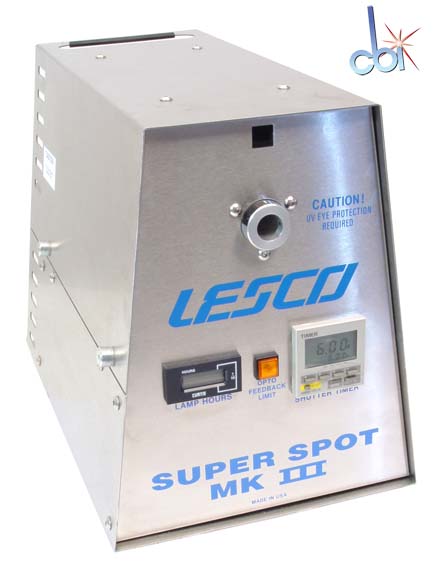
LESCO UV HIGH INTENSITY SPOT CURING SYSTEM
High Intensity UV Spot Curing System Lesco MK III
Lesco acquired by American Ultraviolet
-
-
-
Popular Manufacturers
Common Applications
UV curing
material testing
photopolymerization
imaging
illumination
experiment execution
Frequently Asked Questions
What types of light sources are available for laboratory use?
Available types include arc lamp housings, UV curing systems, and UV/Visible spot cure systems, each designed for specific applications and wavelength requirements.
How do UV curing systems operate?
UV curing systems utilize ultraviolet light to quickly dry and cure substances, operating at specified wavelengths such as 365nm to ensure efficient processing.
What benefits do light sources bring to laboratory settings?
Light sources provide consistent illumination and precise wavelength outputs crucial for tasks such as curing, imaging, and experiment execution, enhancing accuracy and repeatability.
Why is wavelength specification important in light sources?
Wavelength specification is critical as it dictates the interaction of light with different materials, affecting processes like curing and photopolymerization, ensuring desired outcomes in laboratory applications.
Log in with your username/email address