
Mixers
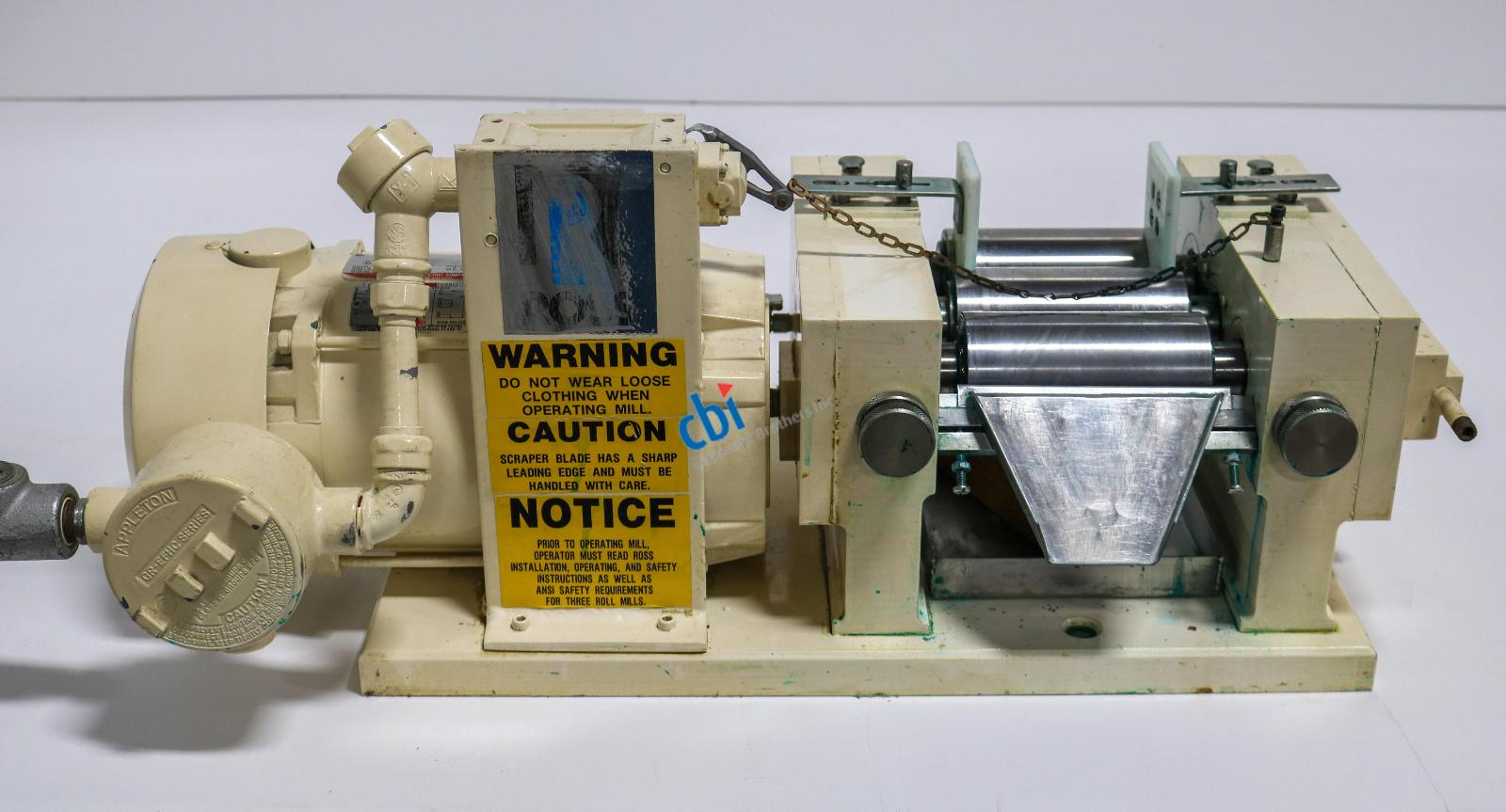
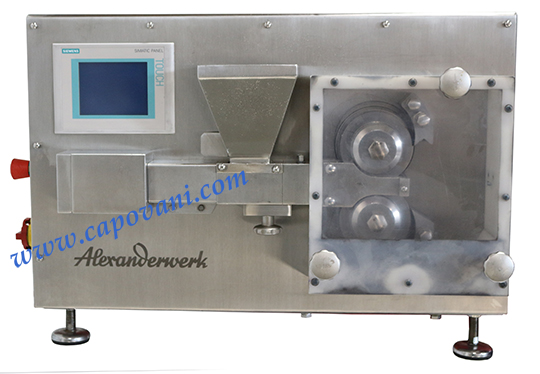
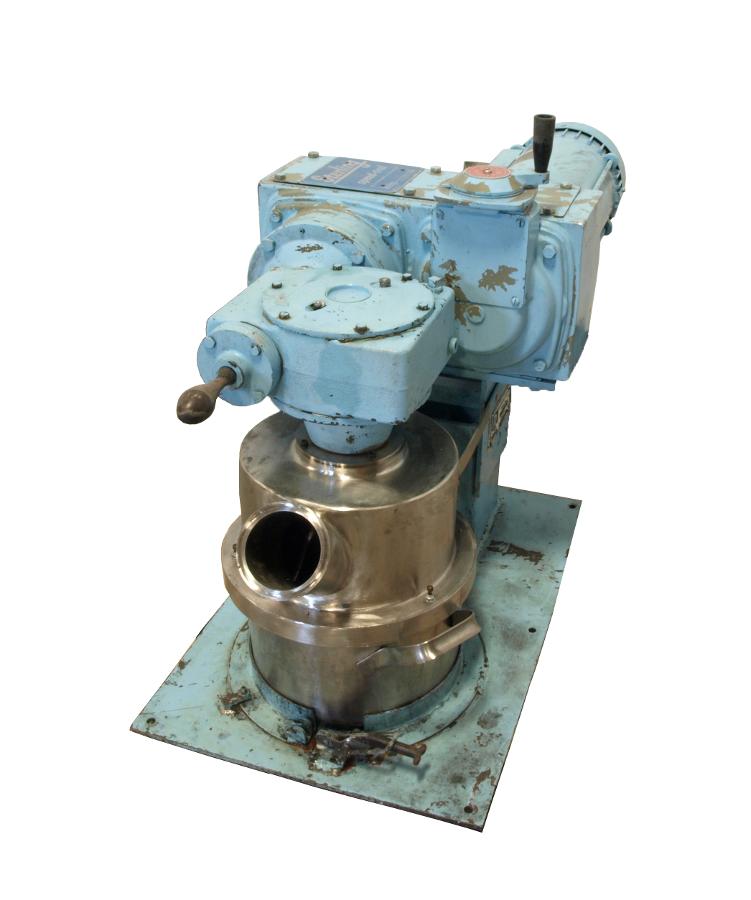
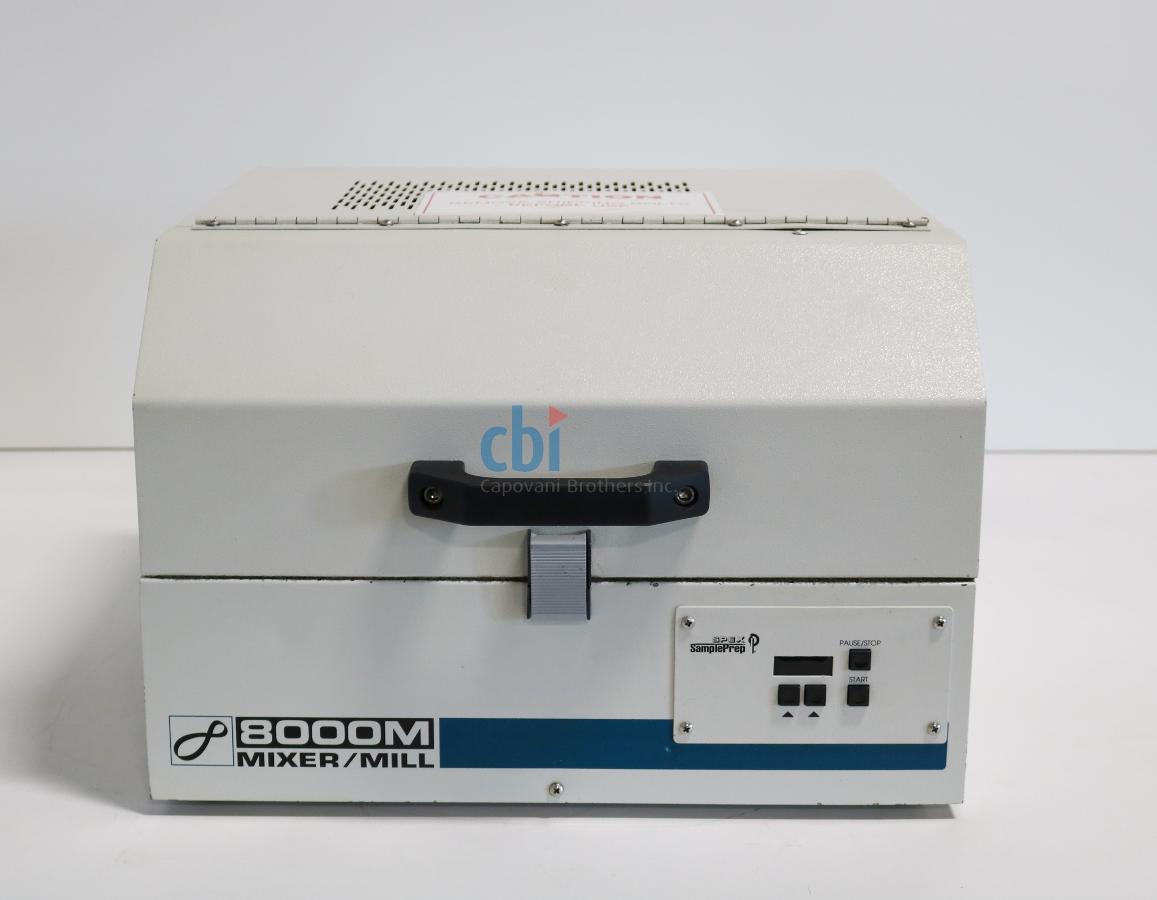
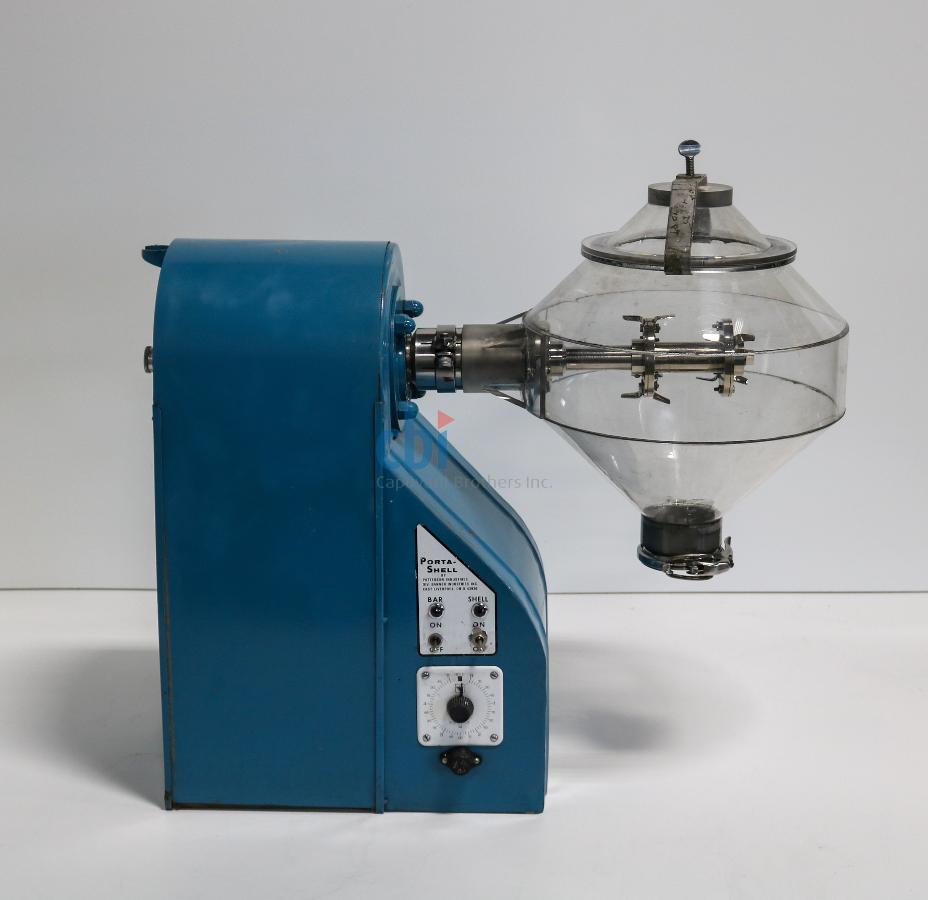
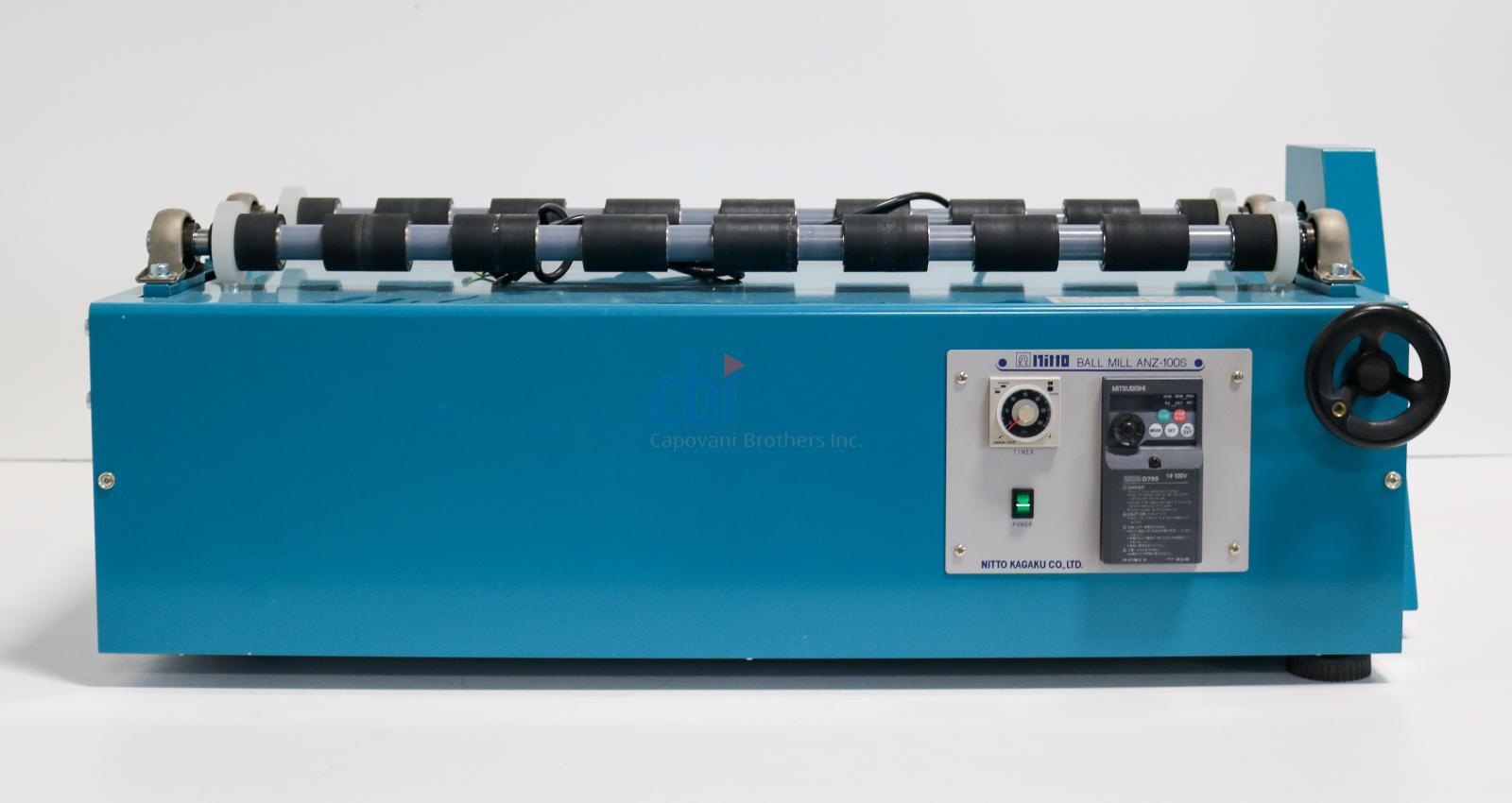
Mixers are essential laboratory devices used for homogenizing mixtures in scientific research and quality control. These instruments provide consistent, traceable results, often supporting different vessel capacities and adjustable speed ranges for various applications.
-
-
-
-
-
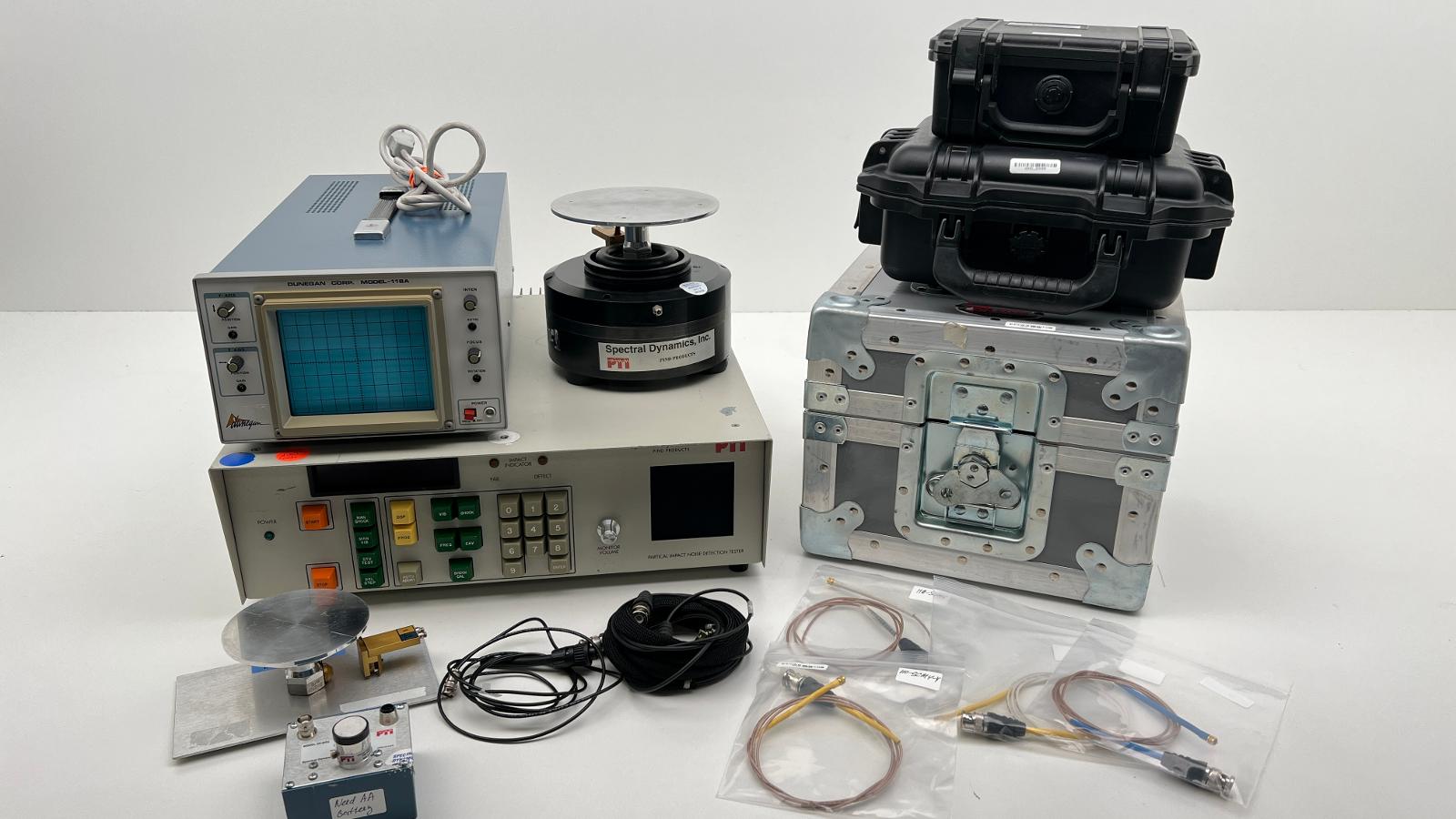
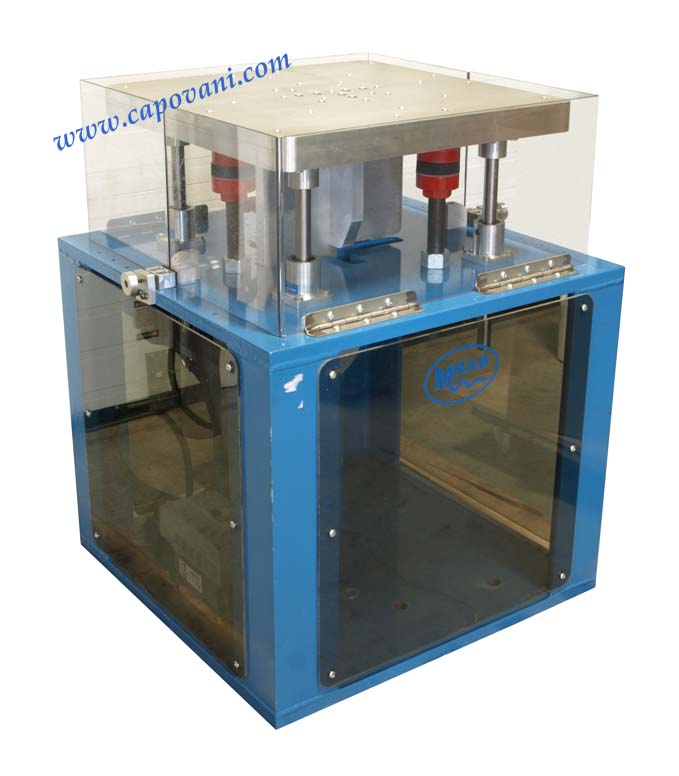
SPECTRAL DYNAMICS PIND TESTER - PARTICLE IMPACT NOISE DETECTION
Particle Impact Noise Detection Test System PIND
The 4501M has been designed to detect loose particles in electronic components such as integrated circuits, transistors, relays, and switches.
-
-
-
-
-
-
-
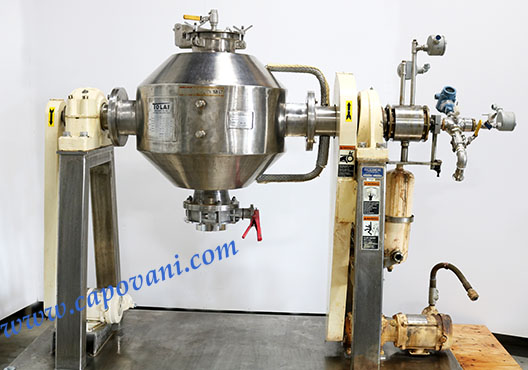
PFAUDLER TOLAN DOUBLE CONE VACUUM DRYER - HASTELLOY - 24" DIAMETER
Double Cone Vacuum Dryer Hastelloy Construction
Remanufactured by Tolan Machinery
Popular Manufacturers
Common Applications
Homogenizing samples
Mixing chemical solutions
Particle size reduction
Emulsification processes
Frequently Asked Questions
What is the typical capacity of a laboratory mixer?
Laboratory mixers vary in capacity, with some capable of handling multiple vessels, such as the Lab-Line Magnestir with six vessel capacity.
What are the common types of laboratory mixers?
Common types include magnetic stirrers, planetary ball mills, and gear drive mixers, each suited for different mixing and milling applications.
How do laboratory mixers ensure precision in mixing?
These mixers offer features like adjustable speed control and specific mixing mechanisms to ensure repeatability and precision in blending.
What specifications should be considered when selecting a laboratory mixer?
Consider the vessel capacity, mixing speed range, and compatibility with various media to ensure suitability for specific laboratory applications.
Log in with your username/email address