
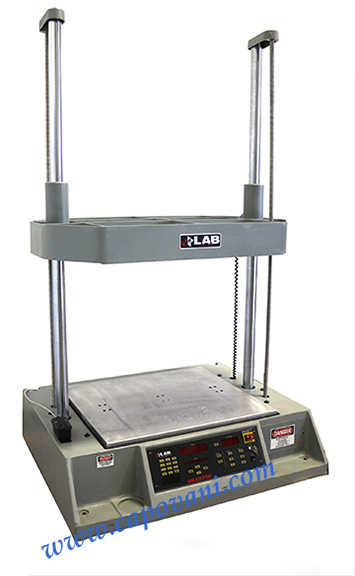
Components
Components are vital for the performance and calibration of precision measurement systems. They enhance accuracy, resolution, and traceability in diverse scientific applications, ensuring systems operate within specified electrical and mechanical tolerances.
-
-
Other Mechanical Inspection Equipment
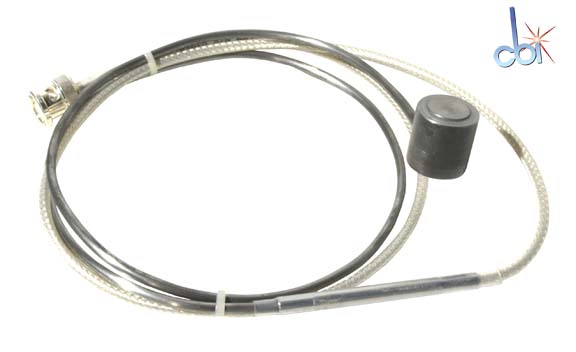
PHYSICAL ACOUSTICS CORPORATION ACOUSTIC EMISSION SENSOR
Acoustic Emission Sensor
Calibration certificate
-
-
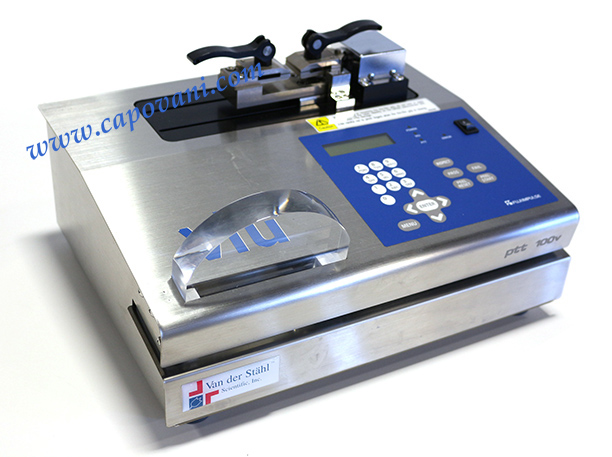
VAN DER STAHL SCIENTIFIC, INC. 100N PEEL TENSILE TESTER
Peel Tensile Tester with Visual Inspection Unit
The PPT-100V is a medical pouch package test and inspection unit.
Popular Manufacturers
Common Applications
quality control
metrology systems
material testing
acoustic analysis
pressure testing
environmental monitoring
Frequently Asked Questions
What are calibration components used for?
Calibration components are used to ensure that measurement systems are operating within their specified tolerances, providing accurate and traceable results.
Why is resolution important in measurement components?
Resolution is crucial as it determines the smallest change that can be accurately measured by the system, enhancing precision.
How do components enhance measurement accuracy?
By maintaining the integrity of the measurement system and ensuring all parts work cohesively, components enhance overall measurement accuracy.
What technical specifications should be considered for measurement components?
Key specifications include electrical tolerances such as voltage and current ratings, as well as mechanical properties like compatibility and fit.
Log in with your username/email address