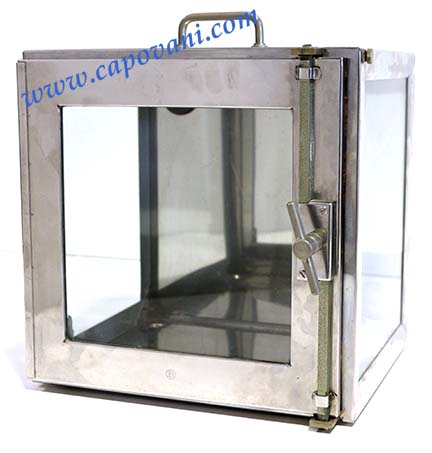
Cleanroom

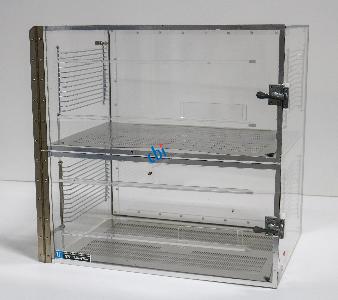
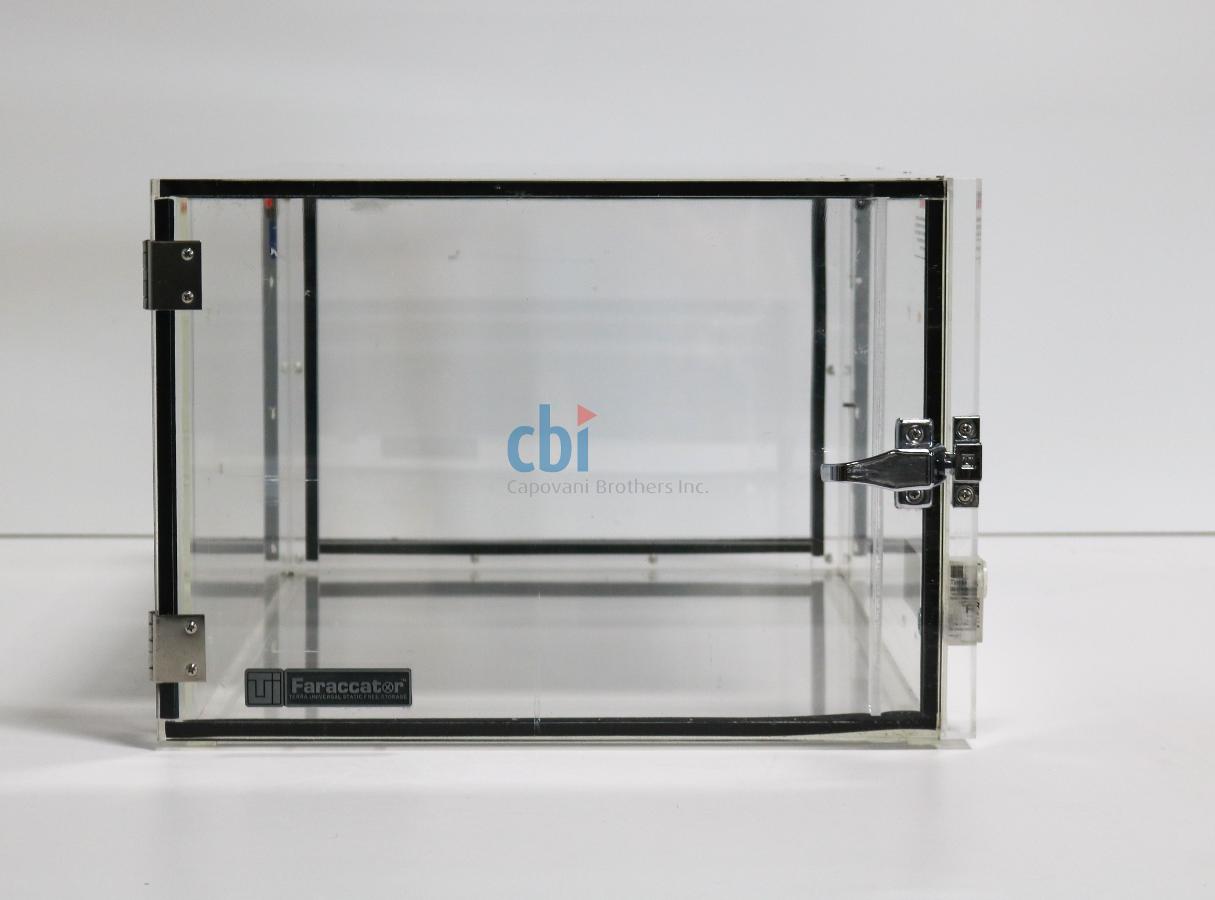
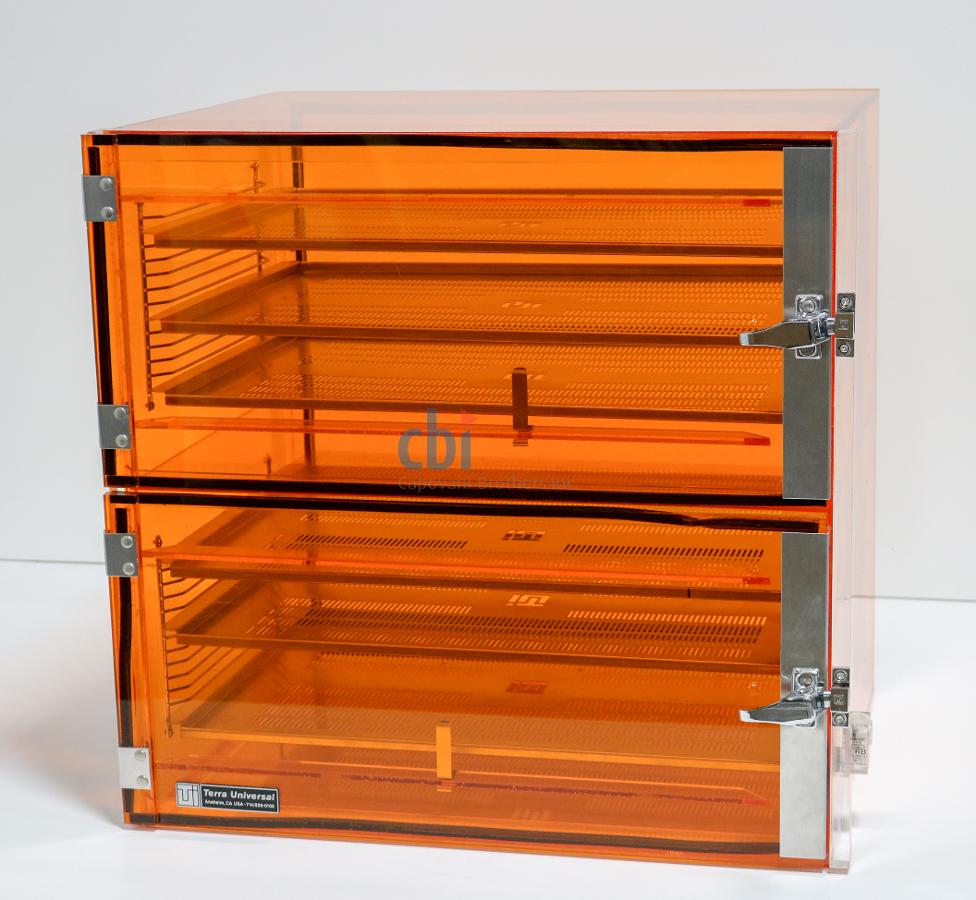
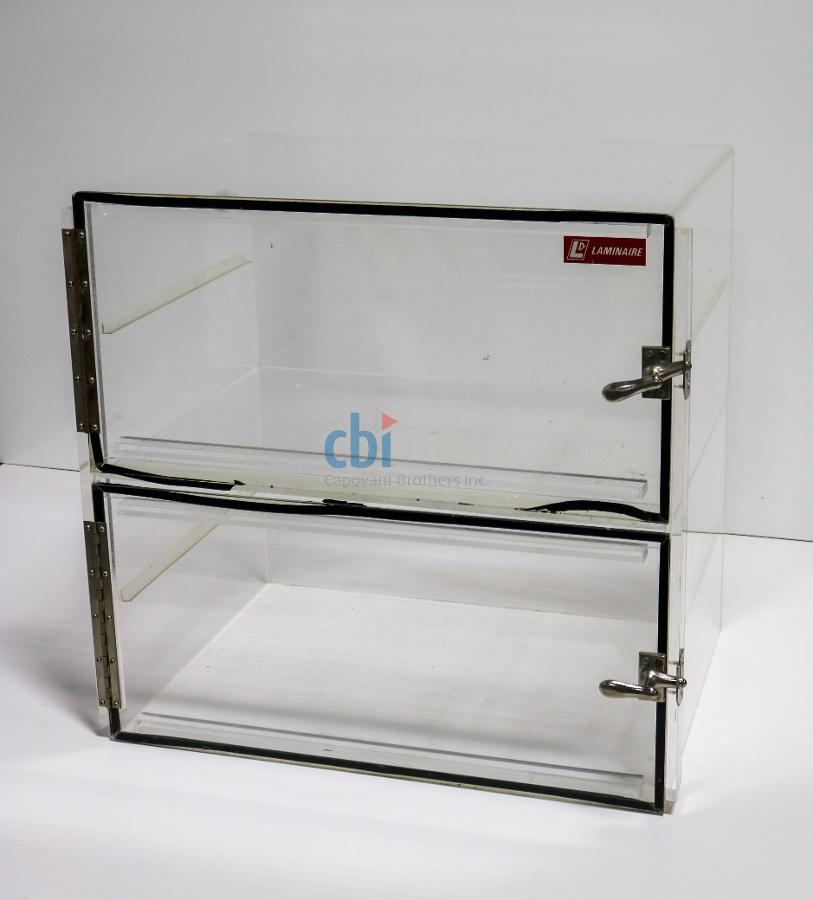
A cleanroom is an environment with a controlled level of contamination, used extensively in research and manufacturing to maintain a stable workspace. Its design supports precise contamination control, often featuring adjustable shelving systems, multiple compartment options, and materials like stainless steel for easy cleaning and durability.
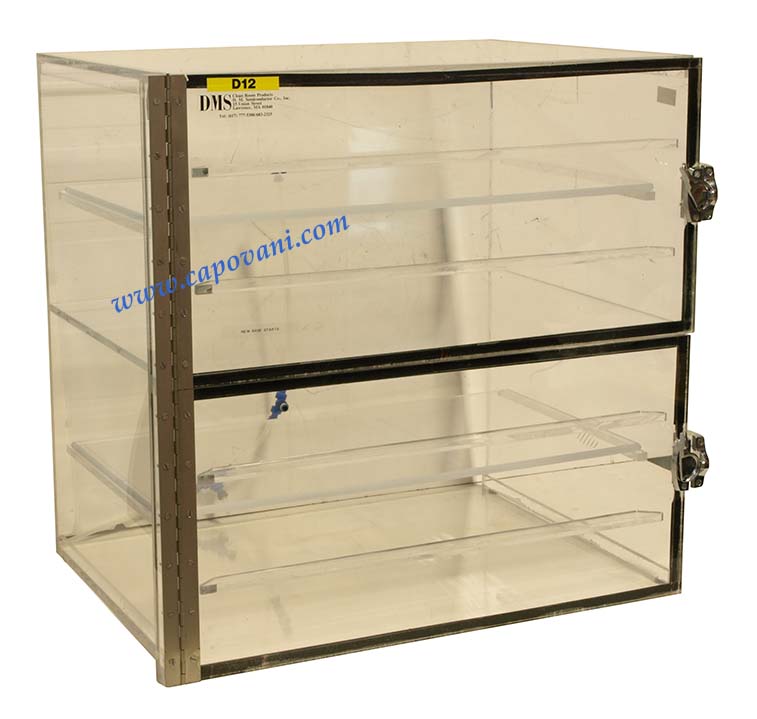
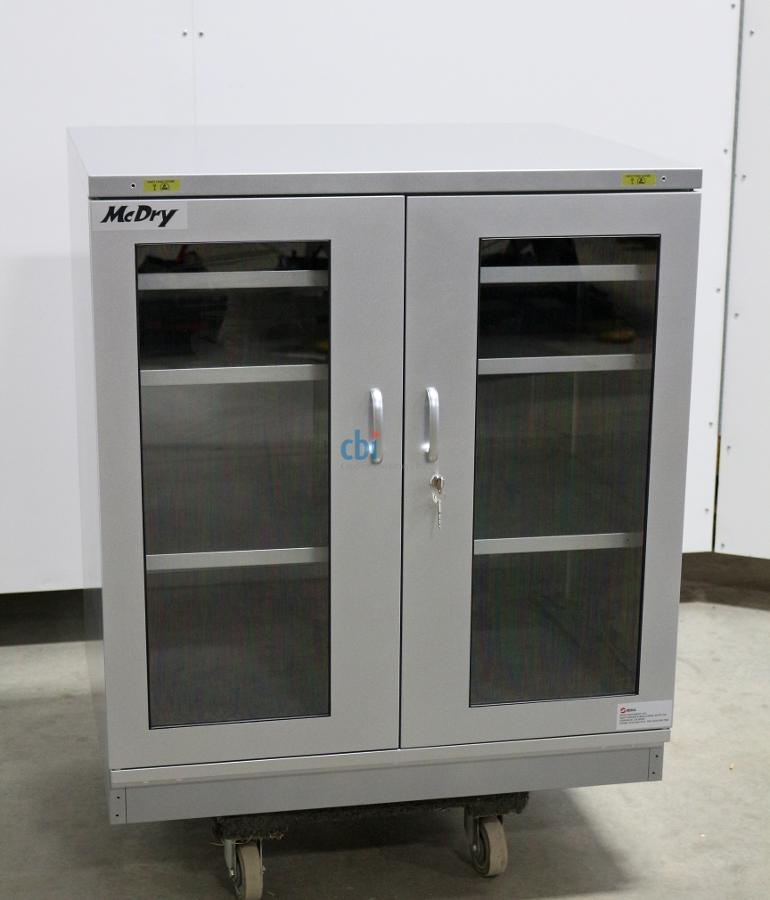
  1. McDRY SEIKA ULTRA LOW HUMIDITY STORAGE CABINET 18.5 CUFT

    Dry Boxes

    McDRY SEIKA ULTRA LOW HUMIDITY STORAGE CABINET 18.5 CUFT

    McDry humidity storage cabinet maintains ultra-low humidity levels under the recommended indefinite safe floor life guideline of dry storage at 5% RH or less.

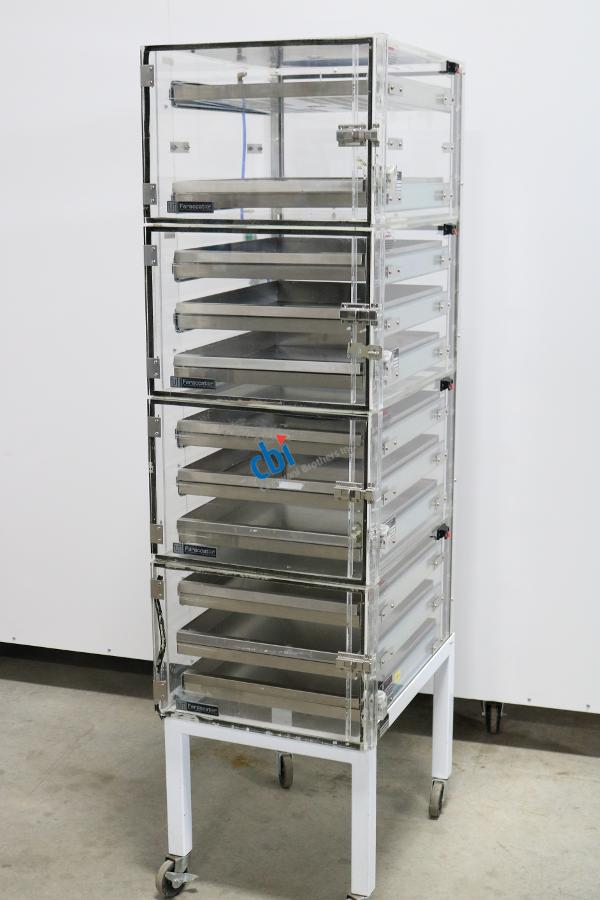
  2. TERRA UNIVERSAL FOUR COMPARTMENT DESICCATOR BOX

    Dry Boxes

    TERRA UNIVERSAL FOUR COMPARTMENT DESICCATOR BOX

    Custom Four Compartment Dry Box

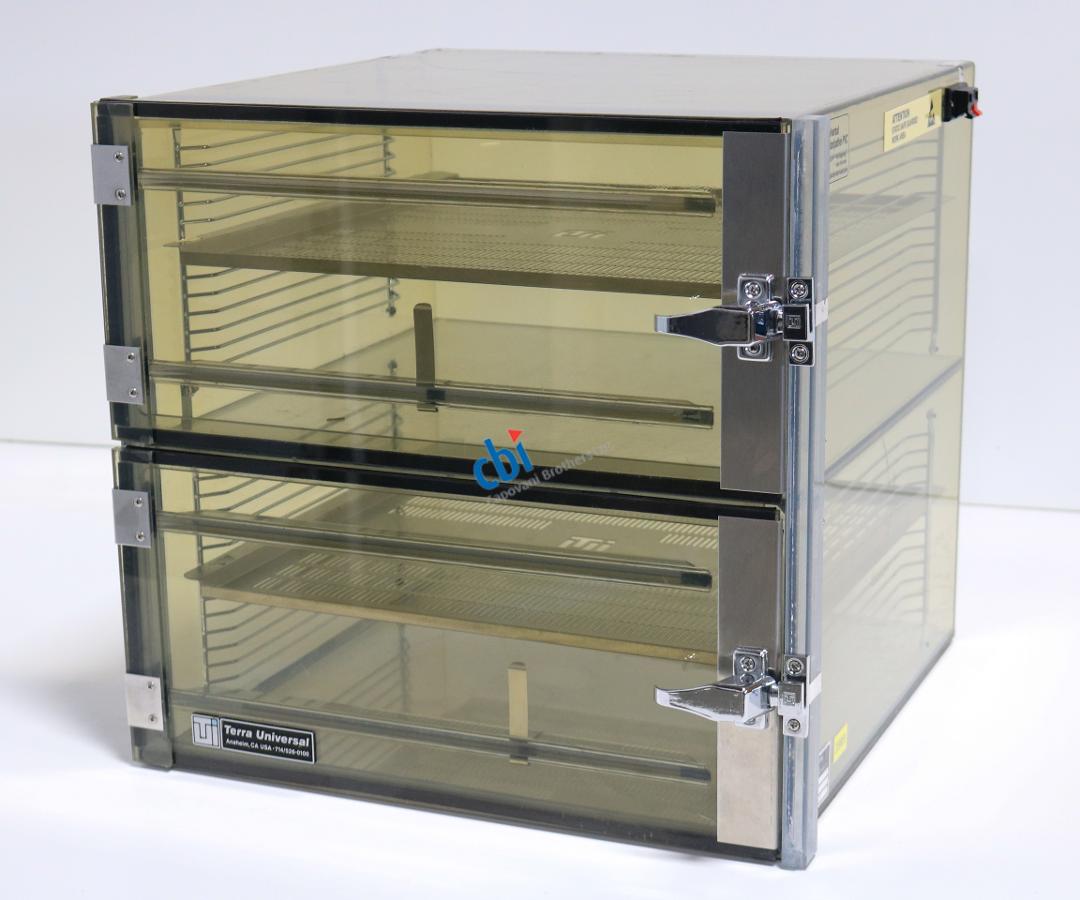
  3. TERRA UNIVERSAL TWO COMPARTMENT DESICCATOR BOX

    Dry Boxes

    TERRA UNIVERSAL TWO COMPARTMENT DESICCATOR BOX

    Two Compartment Dry Box

  4. TERRA UNIVERSAL INC. TWO COMPARTMENT DESICCATOR

    Dry Boxes

    TERRA UNIVERSAL INC. TWO COMPARTMENT DESICCATOR

    Two Compartment Dry Box

  5. TERRA UNIVERSAL TWO CHAMBER DESICCATOR BOX 20.875 x 23.5 x 12

    Dry Boxes

    TERRA UNIVERSAL TWO CHAMBER DESICCATOR BOX 20.875 x 23.5 x 12

    Two Chamber Desiccator BoxSmart Desiccator

  6. TERRA UNIVERSAL EIGHT COMPARTMENT DRY BOX

    Dry Boxes

    TERRA UNIVERSAL EIGHT COMPARTMENT DRY BOX

    Eight Compartment Dry Box

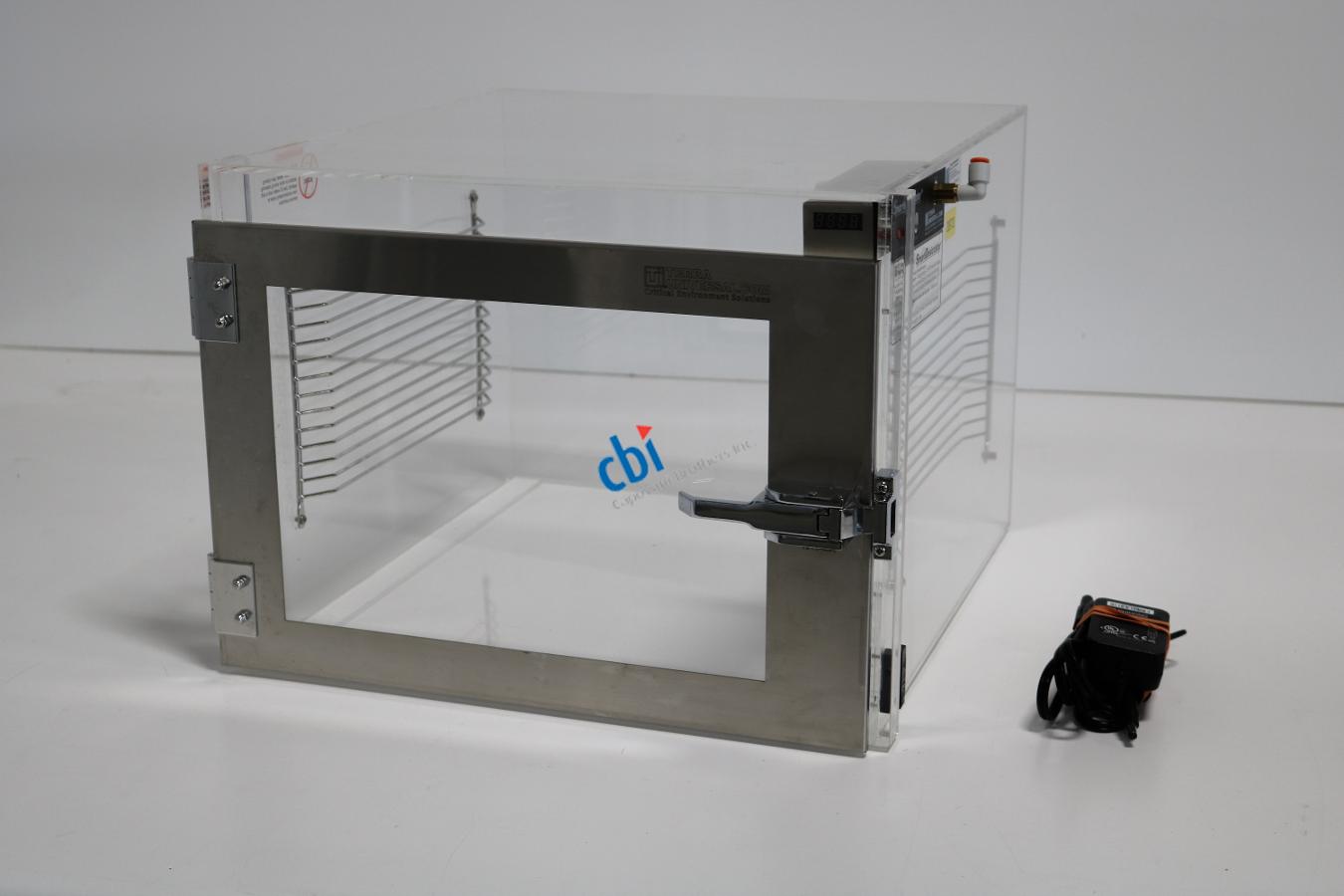
  7. TERRA UNIVERSAL TWO COMPARTMENT DESICCATOR BOX

    Dry Boxes

    TERRA UNIVERSAL TWO COMPARTMENT DESICCATOR BOX

    Two Compartment Dry Box

  8. TERRA UNIVERSAL TWO COMPARTMENT DESICCATOR BOX

    Dry Boxes

    TERRA UNIVERSAL TWO COMPARTMENT DESICCATOR BOX

    Two Compartment Dry Box

Common Applications

Contamination Control

Research Laboratories

Manufacturing Facilities

Pharmaceutical Production

Semiconductor Fabrication

Biotechnology

Buying Guide

Cleanroom Buying Guide

Understanding the importance of maintaining a contaminant-free space is crucial for selecting the right cleanroom. Each component of a cleanroom contributes to its effectiveness in protecting sensitive processes.

When choosing a cleanroom, prioritize features that align with your operational requirements, focusing on factors like contamination control effectiveness and ease of maintenance.

  • Assess the level of contamination control you need for your specific application.
  • Check for adjustable shelving options to optimize storage and organization.
  • Evaluate the number of compartments necessary to support your processes.
  • Verify the materials used, such as stainless steel, for durability and ease of cleaning.

Frequently Asked Questions

What are the benefits of using a cleanroom?
Cleanrooms provide a controlled environment to minimize contamination, crucial for sensitive research and manufacturing processes. They offer features such as adjustable shelving and multi-compartment designs to cater to different needs.
What materials are used in cleanroom construction?
Cleanrooms often use materials like stainless steel which are durable and easy to clean, helping to maintain strict contamination control standards.
How do I choose the right cleanroom configuration?
Consider the specific requirements of your process, including the need for adjustable shelving, the number of compartments, and the types of materials most suitable for your contamination control needs.
Can cleanrooms be customized for different applications?
Yes, cleanrooms can be customized with various features such as multiple compartments and adjustable shelves to fit specific contamination control applications.