Vacuum Chambers

Vacuum chambers are enclosed spaces that enable the removal of air and gases for a controlled environment, often reaching temperatures around 200ºC. They are essential for applications requiring precise temperature control and vacuum ranging from atmospheric pressure to high vacuum levels for processes like drying and testing material properties.

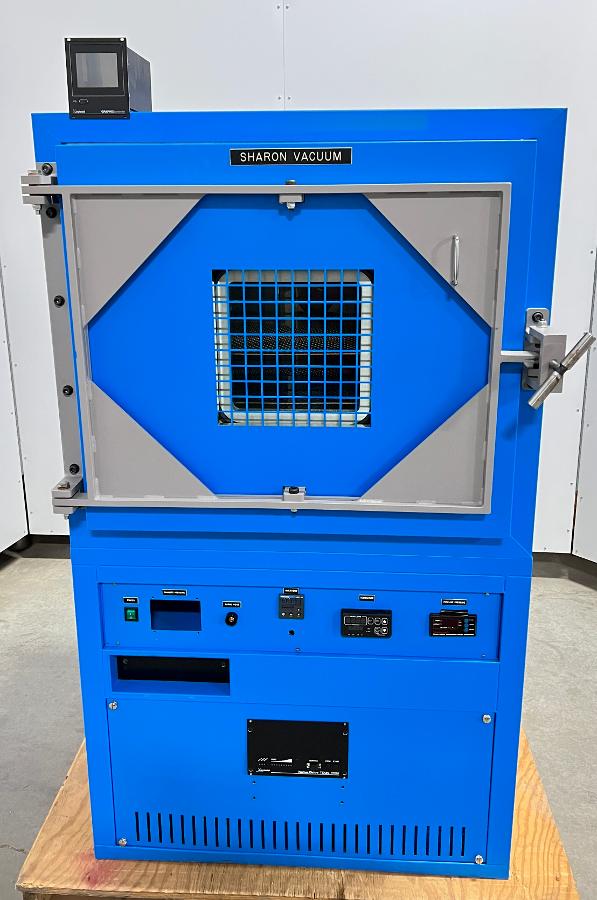
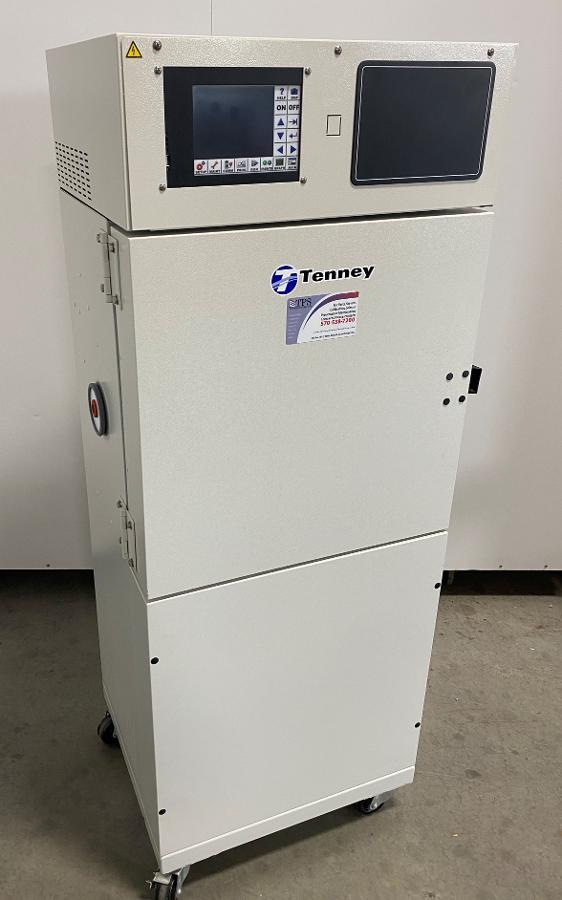
  1. TENNEY VACUUM OVEN / DRYING CHAMBER 150ºC

    Vacuum Ovens

    TENNEY VACUUM OVEN / DRYING CHAMBER 150ºC

    4.5 Cubic Foot Vacuum Oven/Drying Chamber

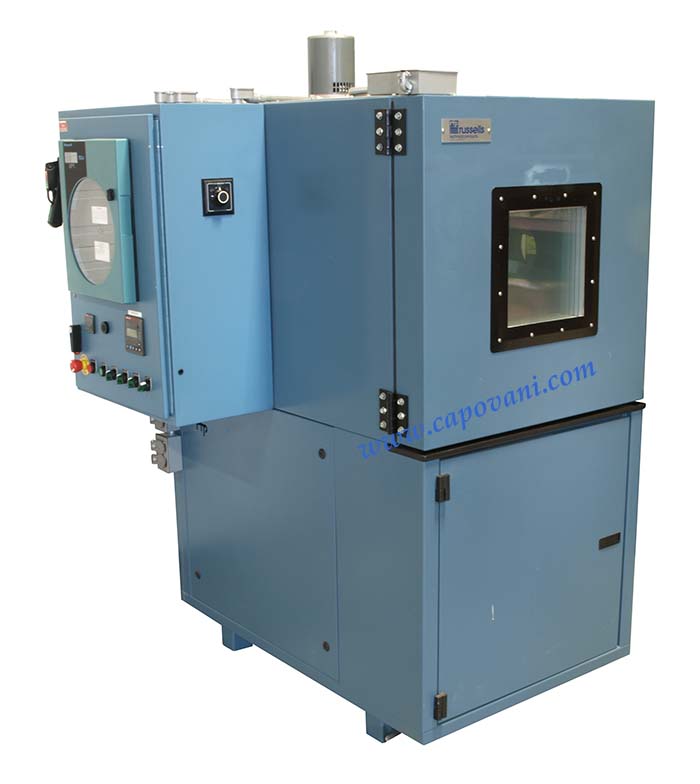
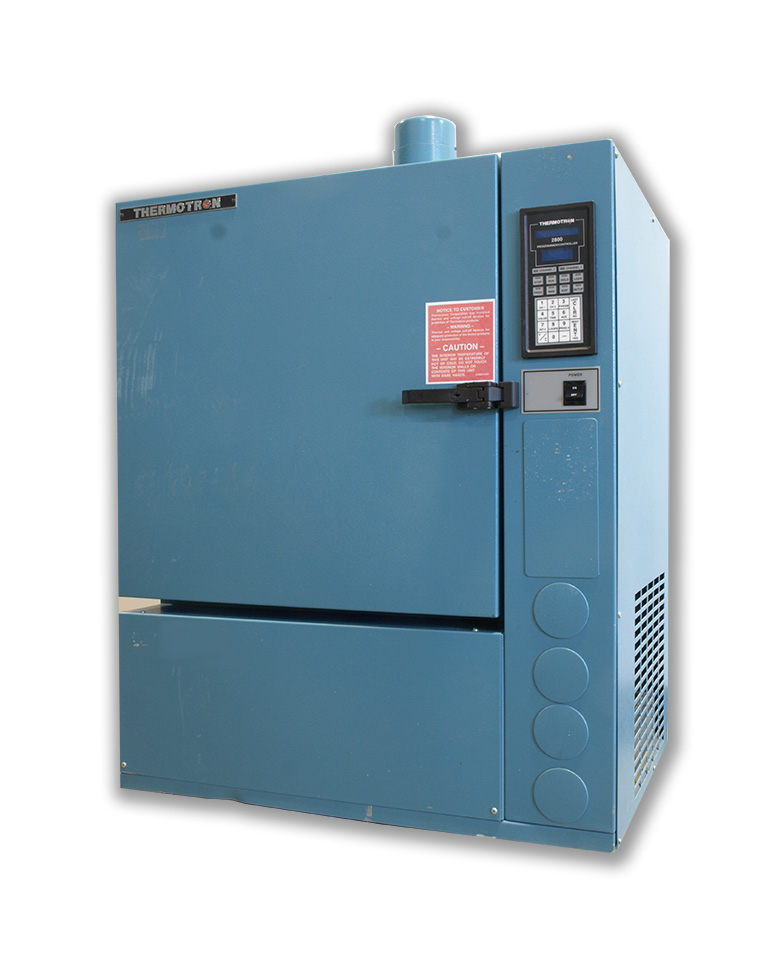
  2. RUSSELLS TECHNICAL PRODUCTS TEMPERATURE CHAMBER 200C

    Temperature Chambers

    RUSSELLS TECHNICAL PRODUCTS TEMPERATURE CHAMBER 200C

    Temperature Chamber RB-8-co2 with Watlow F-4
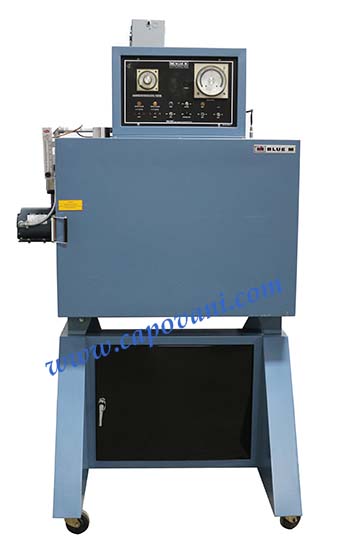
  3. CASCADE TEK TVO-2 VACUUM OVEN 220C

    Vacuum Ovens

    CASCADE TEK TVO-2 VACUUM OVEN 220C

    Automatic Pump down with Watlow 981 Process Controller

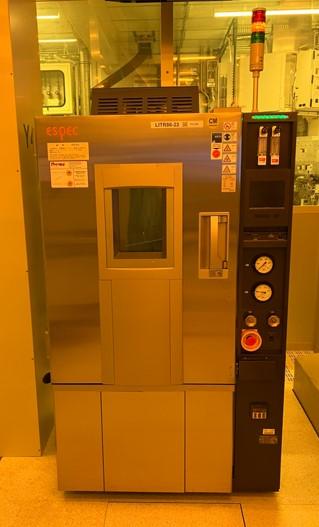
  4. CASCADE TEK TVO-2 VACUUM OVEN 220C

    Vacuum Ovens

    CASCADE TEK TVO-2 VACUUM OVEN 220C

    Automatic Pump down with Watlow F4 Process Controller
Common Applications

Drying

Material Testing

Chemical Processing

Research and Development

Thermal Testing

Buying Guide

Vacuum Chambers Buying Guide

Choosing the right vacuum chamber involves considering the specific requirements of your application, such as the temperature and vacuum level needed. It's vital to evaluate the chamber's technical specifications to ensure they meet your precise measurement and process needs.

Assess the chamber's capacity based on your volume requirements for effective process execution. Ensure the system includes reliable process control mechanisms to maintain consistent conditions.

  • Confirm the operational temperature range, typically up to 200ºC or more.
  • Evaluate the vacuum level capabilities and the type of vacuum pump included (e.g., turbo-pumped systems).
  • Consider the chamber size—common options range from 4.5 to 9.3 cubic feet.
  • Check for advanced control systems, such as automatic pump downs with process controllers.

Frequently Asked Questions

What is the temperature range of vacuum chambers?
Most vacuum chambers listed can operate at temperatures up to 200ºC, though some models reach up to 220ºC.
What are common applications for vacuum chambers?
Vacuum chambers are used for drying, material testing, and chemical processing in controlled environments.
How is the vacuum level controlled?
Vacuum levels are controlled using automatic pump systems, often paired with process controllers like the Watlow F4.
What sizes are available for vacuum chambers?
Sizes vary; some models have a capacity of 4.5 cubic feet, while others such as the Cascade Tek TVO-2 offer 9.3 cubic feet.