Thin Film & Deposition

Thin film deposition systems enable precise coating of materials onto substrates, providing essential capabilities for advanced material synthesis. They offer precise control over deposition parameters like RF power and voltage, ensuring high repeatability and traceability in layer formation.

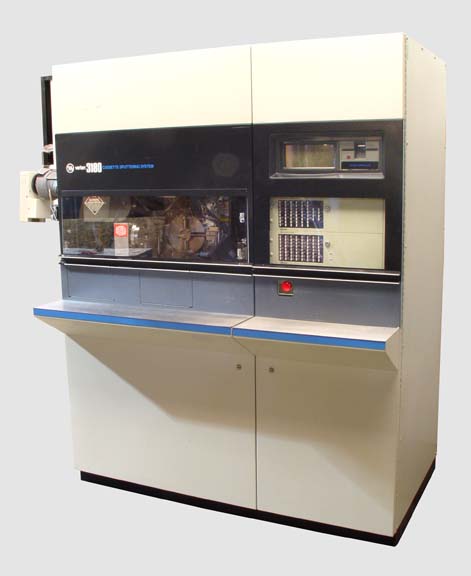
  1. VARIAN 3190 SPUTTER SYSTEM

    Standalone Sputterers

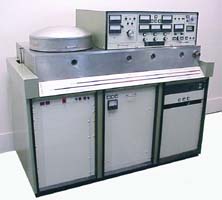
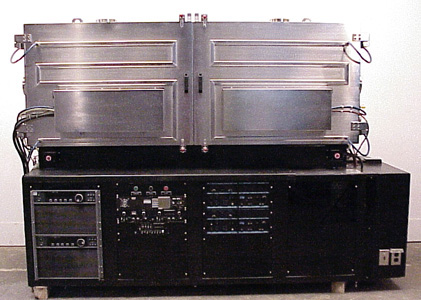
    VARIAN 3190 SPUTTER SYSTEM

    Load locked single wafer sputter, cassette to cassette vertically mounted for sideways sputter Currently configured for 100mm wafers3 Target mini-quantumsRF EtchVIPS (Vacuum Isolated Processing Station)Residual Gas Analyzer

  2. INFICON THIN FILM DEPOSITION CONTROLLER

    Other Physical Vapor Deposition Equipment

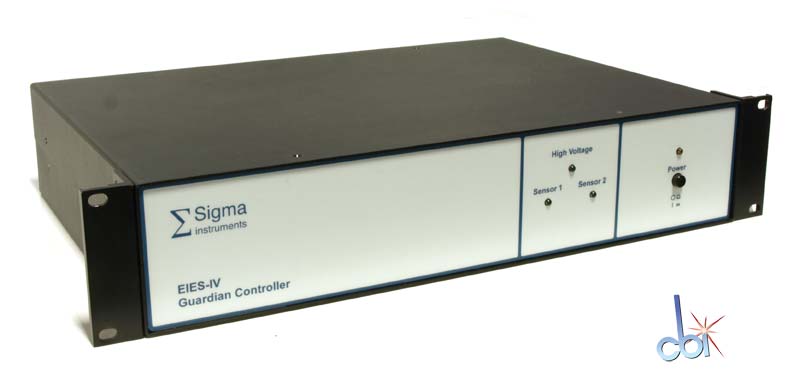
    INFICON THIN FILM DEPOSITION CONTROLLER

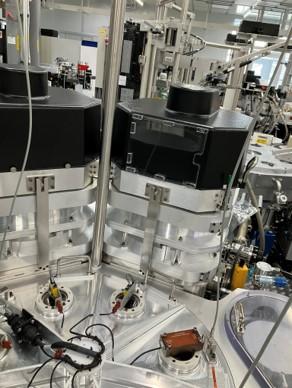
    Thin Flim Deposition Controller Uses EIES sensor technology and provides complete automatic control of two materials, either sequential or codeposited vacuum processes

  3. MILL LANE ENGINEERING REEL COATER

    Standalone Sputterers

    MILL LANE ENGINEERING REEL COATER

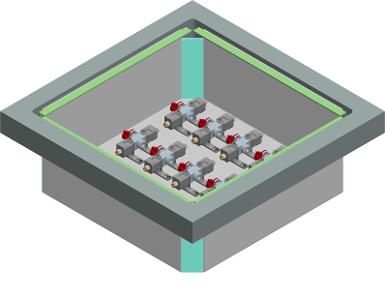
    Reel Coater for Ribbon or Wire The model 412-3 is a two-chamber reel to reel web coater which deposits metal or alloys on wire or ribbon substrates by sputtering from two magnetron targets arranged in a closely spaced book array. Capacity is based upon 4" ID x 12" OD x 3" wide wire/ribbon spools. Wire diameter up to 0.035" (.9mm) may be coated at speeds ranging between 2 and 40 feet per minute depending on the coating thickness desired. Constant wire speed and tension are controlled in conjunction with other parameters which enable unattended operation for extended periods. A second chamber provides plasma pre cleaning prior to entering the sputter zone through a conductance limiting tube which allows different gas compositions and pressures for cleaning and coating.

  4. ADVANCED ENERGY MDX MINI-PANEL

    DC Magnetron Drives

    ADVANCED ENERGY MDX MINI-PANEL

    Remote Control for MDX Magnetron Power Supplies

    Make: Advanced Energy

    Model: MDX-052 Remote Panel

    1 unit @ Best Price

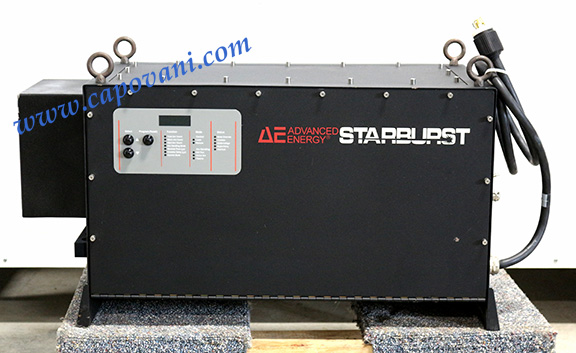
  5. ADVANCED ENERGY/VEECO ION BEAM DRIVE

    Ion Beam Drives

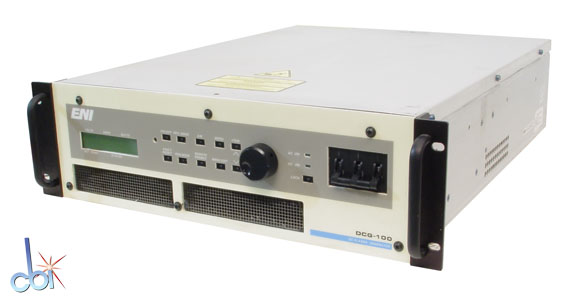
    ADVANCED ENERGY/VEECO ION BEAM DRIVE

    Ion Beam Drive for Veeco 10" Source Item sold AS IS, inquire on price
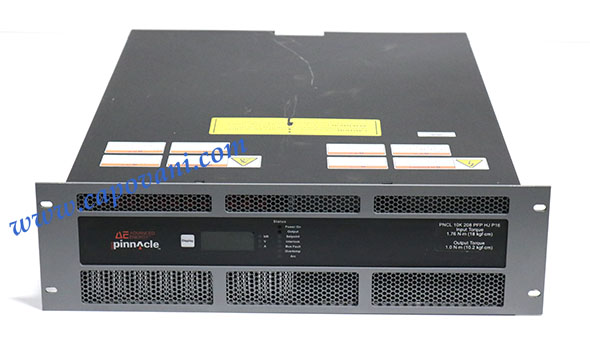
  6. ADVANCED ENERGY DC MAGNETRON POWER SUPPLY

    DC Magnetron Drives

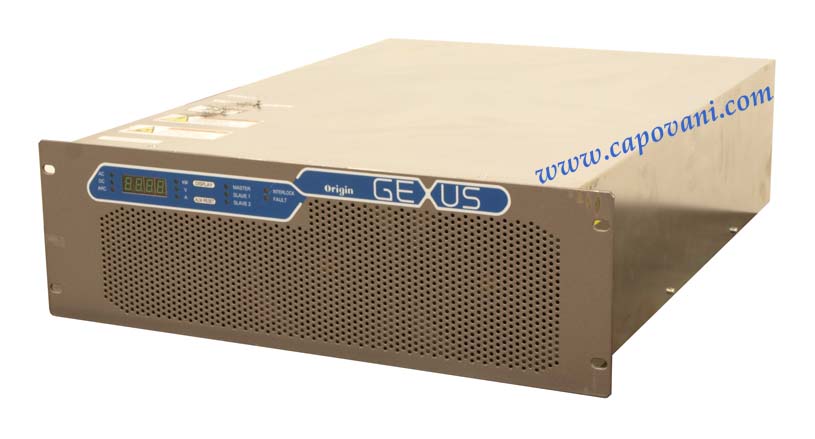
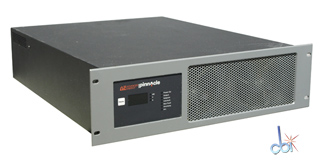
    ADVANCED ENERGY DC MAGNETRON POWER SUPPLY

    DC Magnetron Power Supply - Passive Front Panel

    Representative photo

Common Applications

Advanced material synthesis

Semiconductor fabrication

Surface coating

Optical coatings

Buying Guide

Thin Film & Deposition Buying Guide

Choosing the right thin film deposition system depends on several critical factors tailored to your material synthesis needs.

Consider the following when selecting equipment:

  • Evaluate the system's power capabilities, including RF frequency and voltage, to ensure compatibility with your substrates and coating materials.
  • Assess the precision and repeatability of deposition processes, important for applications requiring uniform layer thickness.
  • Identify the types of materials you will be working with and ensure the equipment supports necessary configurations like DC or magnetron targets.
  • Verify system capabilities for process traceability and calibration to meet research or quality control standards.

Frequently Asked Questions

What is the purpose of a thin film deposition system?
Thin film deposition systems are used to coat substrates with thin layers of material, essential for creating advanced materials with specific properties.
What types of thin film deposition equipment are available?
Available types include electron beam sources, reel coaters, and sputter systems, each suited for different substrate materials and applications.
How does a sputter system work?
A sputter system deposits material by ejecting particles from a source target using plasma, controlled by RF or DC power supplies.
What specifications are important for thin film deposition systems?
Key specifications include RF frequency, voltage requirements, power ratings, and control over deposition thickness and uniformity.