
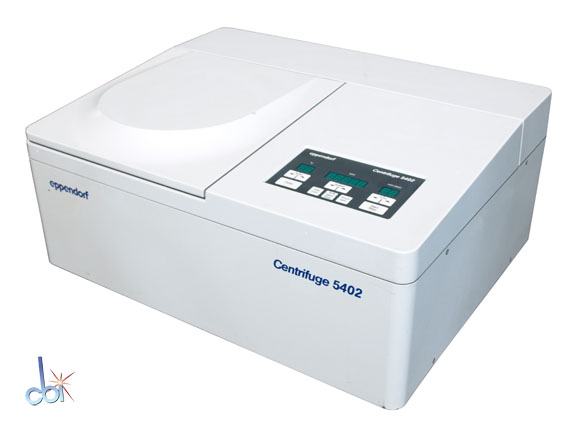
Centrifuges
Centrifuges are essential laboratory instruments used for separating components based on density through high-speed rotation. Refrigerated models offer temperature control to maintain sample integrity, capable of reaching speeds up to 13,300 RPM, with programmable settings for precise control.
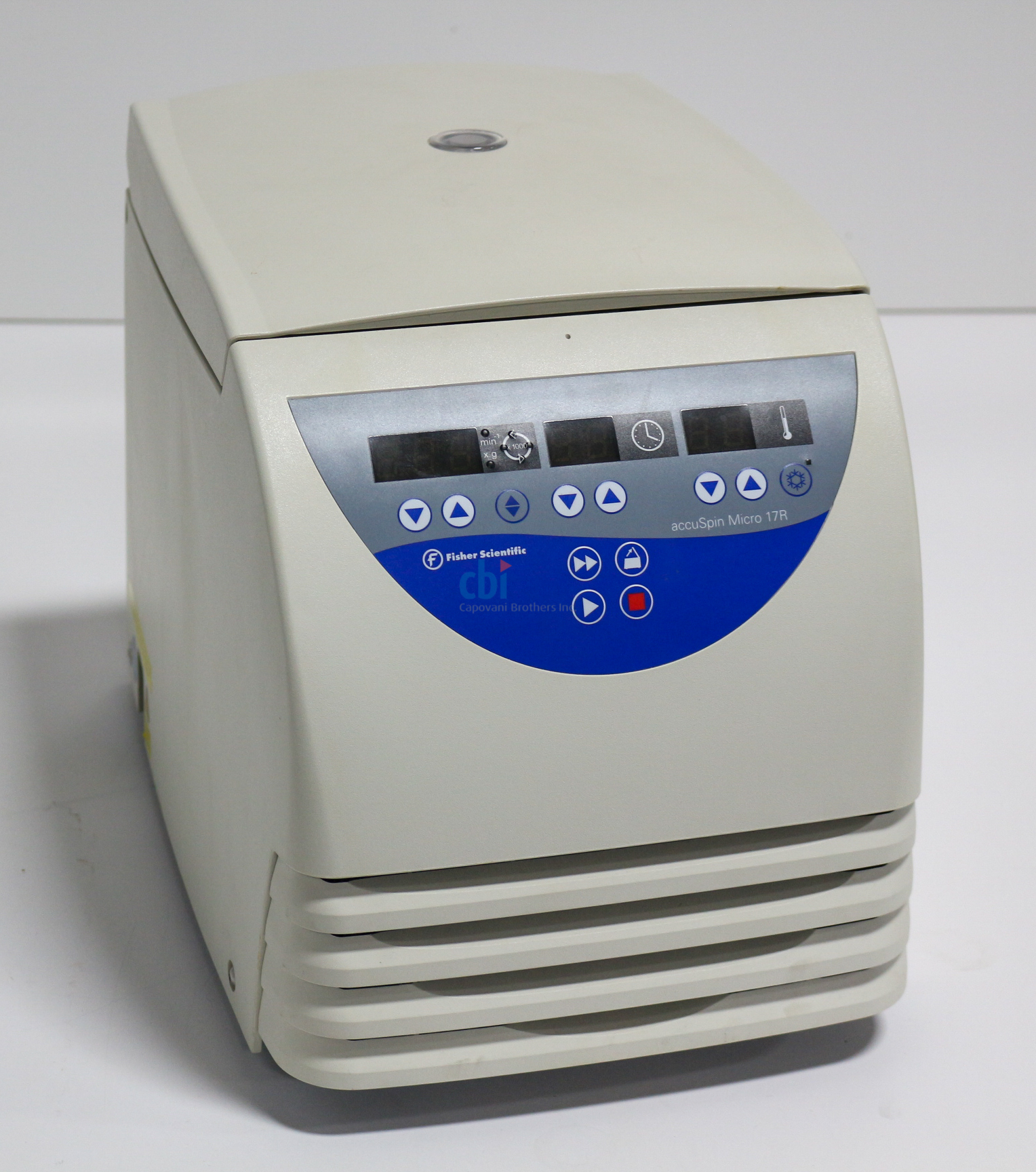
Popular Manufacturers
Common Applications
biological separation
chemical analysis
sample preparation
protein isolation
nucleic acid separation
cell lysate processing
Frequently Asked Questions
What is the maximum speed of a refrigerated centrifuge?
Refrigerated centrifuges can reach a maximum speed of up to 13,300 RPM, providing efficient separation capabilities.
Why is temperature control important in centrifuges?
Temperature control in refrigerated centrifuges is crucial to maintain sample integrity and prevent heat-sensitive samples from degrading.
What types of samples can be processed in a refrigerated centrifuge?
Refrigerated centrifuges are suitable for a variety of biological and chemical samples, including proteins, nucleic acids, and cell lysates.
How do I ensure accurate results with a centrifuge?
Ensuring accurate results involves proper calibration, selecting the correct rotor, and adhering to the recommended speed and temperature settings for your specific application.
Log in with your username/email address