
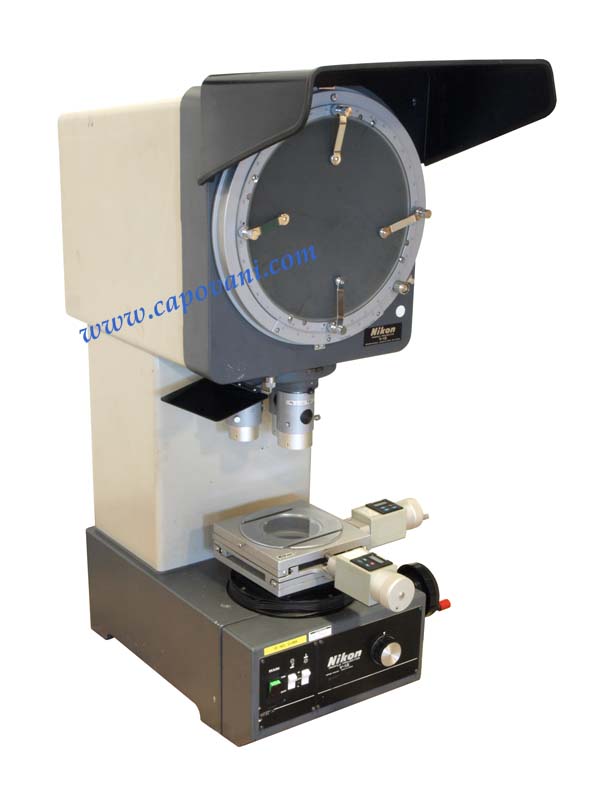
Dimensional Metrology
Dimensional metrology instruments, such as optical comparators, are vital for achieving high precision in measuring physical dimensions. These tools support accurate traceability and calibration with specifications like micron-level resolution and detailed optical geometry.
Popular Manufacturers
Common Applications
quality control
precision engineering
manufacturing inspection
research and development
Frequently Asked Questions
What is an optical comparator used for?
An optical comparator is used to measure the dimensions of an object by comparing its silhouette to a scale projection, providing micron-level precision.
How do optical comparators achieve traceability?
Optical comparators achieve traceability through regular calibration against known standards, ensuring measurement accuracy and reliability.
What specifications are important for an optical comparator?
Key specifications include resolution, accuracy, optical geometry quality, and the capability for calibration and traceability.
Can optical comparators measure in three dimensions?
Typically, optical comparators are designed for two-dimensional measurements, but some advanced models may include capabilities for limited three-dimensional assessments.
Log in with your username/email address