Vacuum Feedthroughs and View Ports

Vacuum feedthroughs and view ports are critical components that enable the passage of electrical signals, fluids, and mechanical motions through vacuum chamber walls. They provide essential measurement and control capabilities with specifications including thermal conductivity, electrical isolation, and pressure ratings, ensuring robust performance in high-vacuum applications.
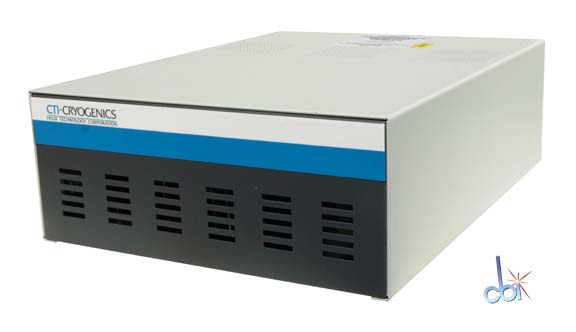
  1. CTI CRYOGENICS FREQUENCY CONVERTER

    Cryo Pump Controllers

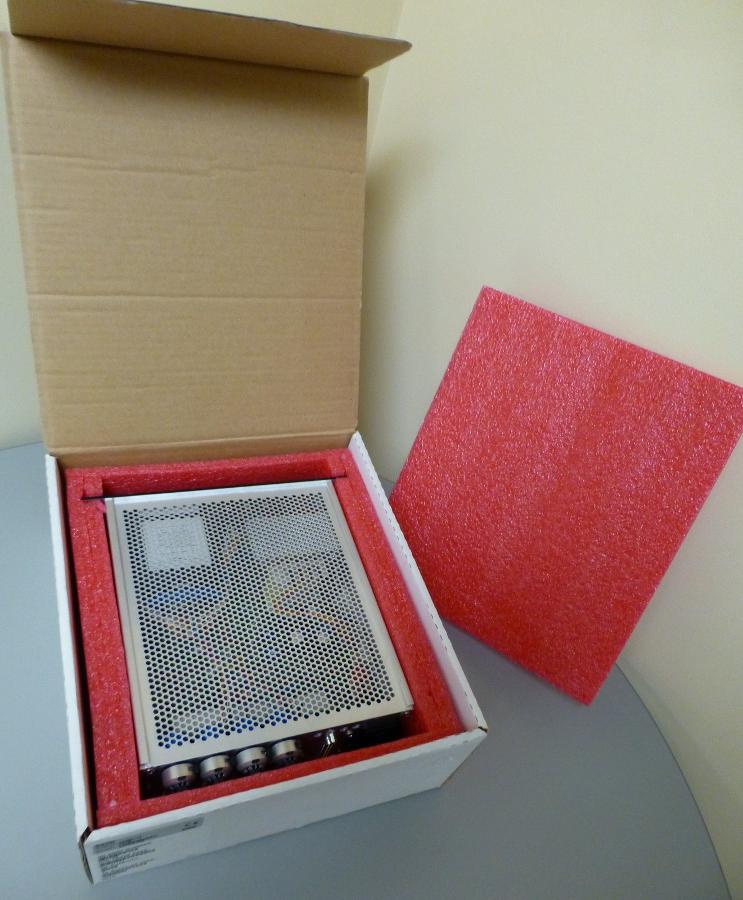
    CTI CRYOGENICS FREQUENCY CONVERTER

    Frequency Converter New--Never Used

    Allows CTI-CRYOGENICS equipment to operate efficiently when connected to a supply voltage with a line frequency of 50Hz. The Frequency Converter is designed for use with CTI-CRYOGENICS 9600, 8200, 8510, 8500, and 1020R compressors, and On-Board and Cryo-Torr Cryopumps.

    CTI Cryogenics 8043202G004
  2. EDWARDS DRY SCROLL VACUUM PUMP 21.2 CFM

    Rotary Vane Pumps

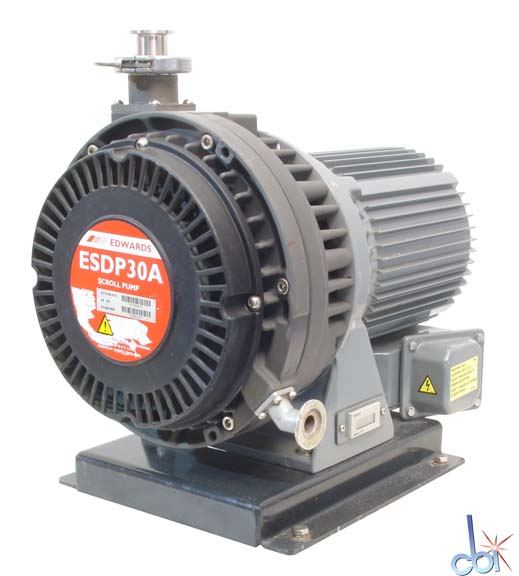
    EDWARDS DRY SCROLL VACUUM PUMP 21.2 CFM

    Dry Scroll Vacuum Pump 

    Pump will have a standard rebuild once sold; lead-time: 2 to 4 weeks ARO
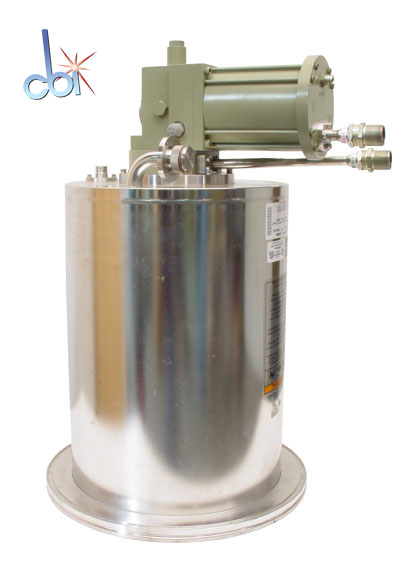
     

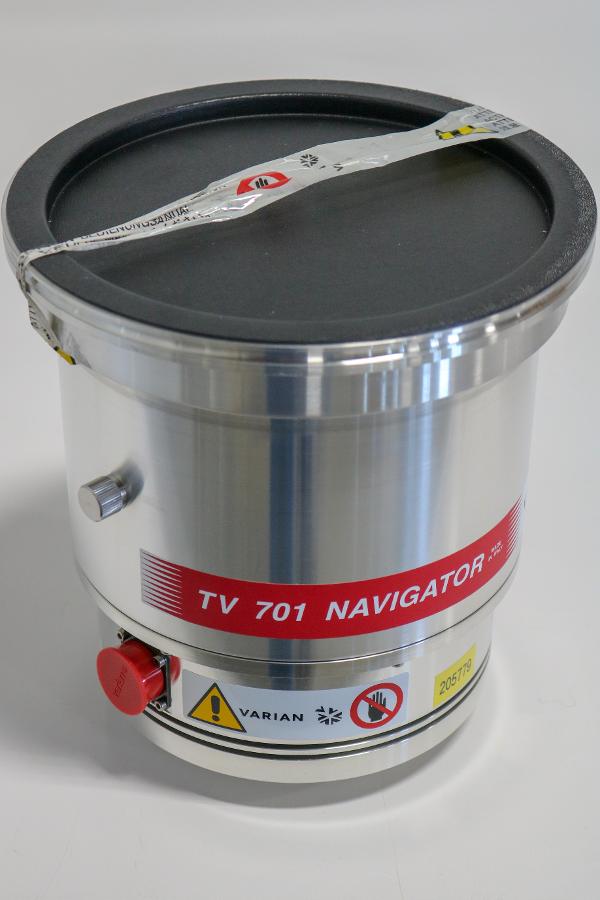
  3. CTI CRYOGENICS CRYOPUMP 9,000 L/S

    Cryopumps

    CTI CRYOGENICS CRYOPUMP 9,000 L/S

    Cryopump

    Note: Pumps to be rebuilt once sold; inquire on lead-time.
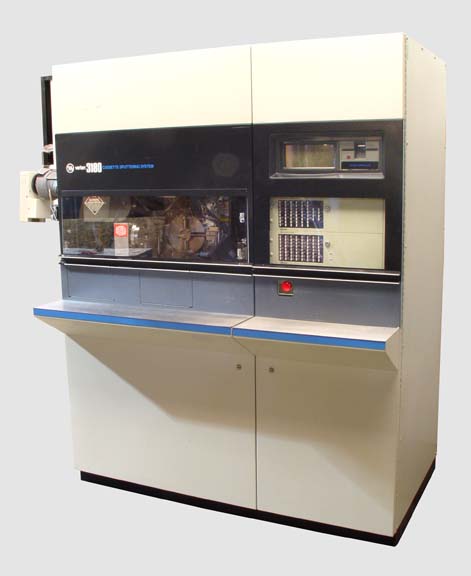
  4. VARIAN 3190 SPUTTER SYSTEM

    Standalone Sputterers

    VARIAN 3190 SPUTTER SYSTEM

    Load locked single wafer sputter, cassette to cassette vertically mounted for sideways sputter

    Currently configured for 100mm wafers 3 Target mini-quantums RF Etch VIPS (Vacuum Isolated Processing Station) Residual Gas Analyzer
Common Applications

vacuum chambers

sputtering systems

semiconductor manufacturing

scientific research environments

high-vacuum apparatus maintenance

Buying Guide

Vacuum Feedthroughs and View Ports Buying Guide

When selecting vacuum feedthroughs and view ports, it's essential to consider the specific needs of your application, including the types of media or signals being transferred.

Verify material compatibility and pressure ratings to ensure components withstand the vacuum environment efficiently.

  • Determine the necessary thermal and electrical isolation specifications.
  • Check for suitable pressure and vacuum ratings to maintain system integrity.
  • Consider optical and mechanical specifications for view ports, including the necessity for shutters.
  • Assess compatibility with existing vacuum system configurations and anticipated environmental conditions.

Frequently Asked Questions

What are vacuum feedthroughs used for?
Vacuum feedthroughs are used to transfer electricity, fluids, or movement through the walls of a vacuum chamber without compromising the vacuum seal.
What specifications are important for vacuum feedthroughs?
Key specifications include pressure ratings, thermal conductivity, electrical isolation properties, and material compatibility with the vacuum environment.
How do view ports improve vacuum system functionality?
View ports enable visual inspection and monitoring within a vacuum system, often incorporating shutters to protect glass surfaces during operations like sputtering.
What are typical applications of vacuum feedthroughs?
Typical applications include scientific research, semiconductor fabrication, and any other setting that requires maintaining a high-quality vacuum while allowing transfer of data, materials, or mechanical movements.