
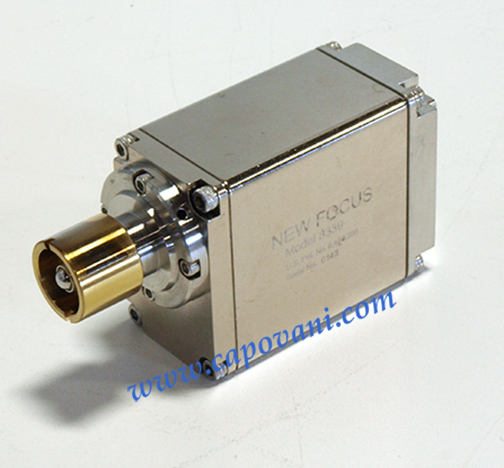
Lasers
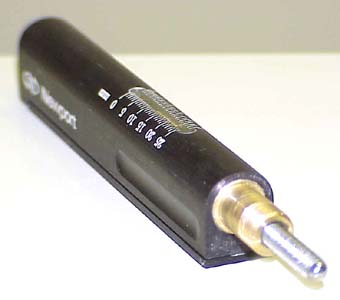
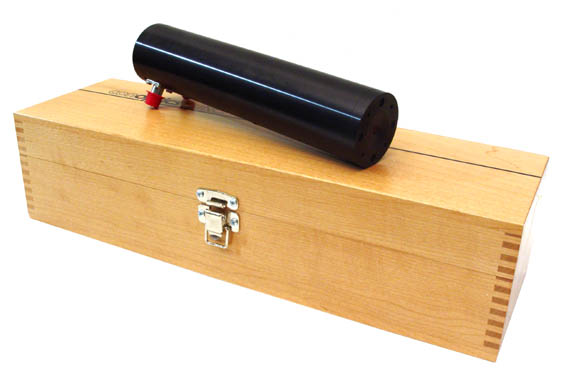
Lasers serve as vital components in precision measurement and calibration systems, providing focused light for a range of applications. These instruments offer high resolution and precise optical geometry, essential for achieving accurate traceability and measurement calibration.
-
-
-
-
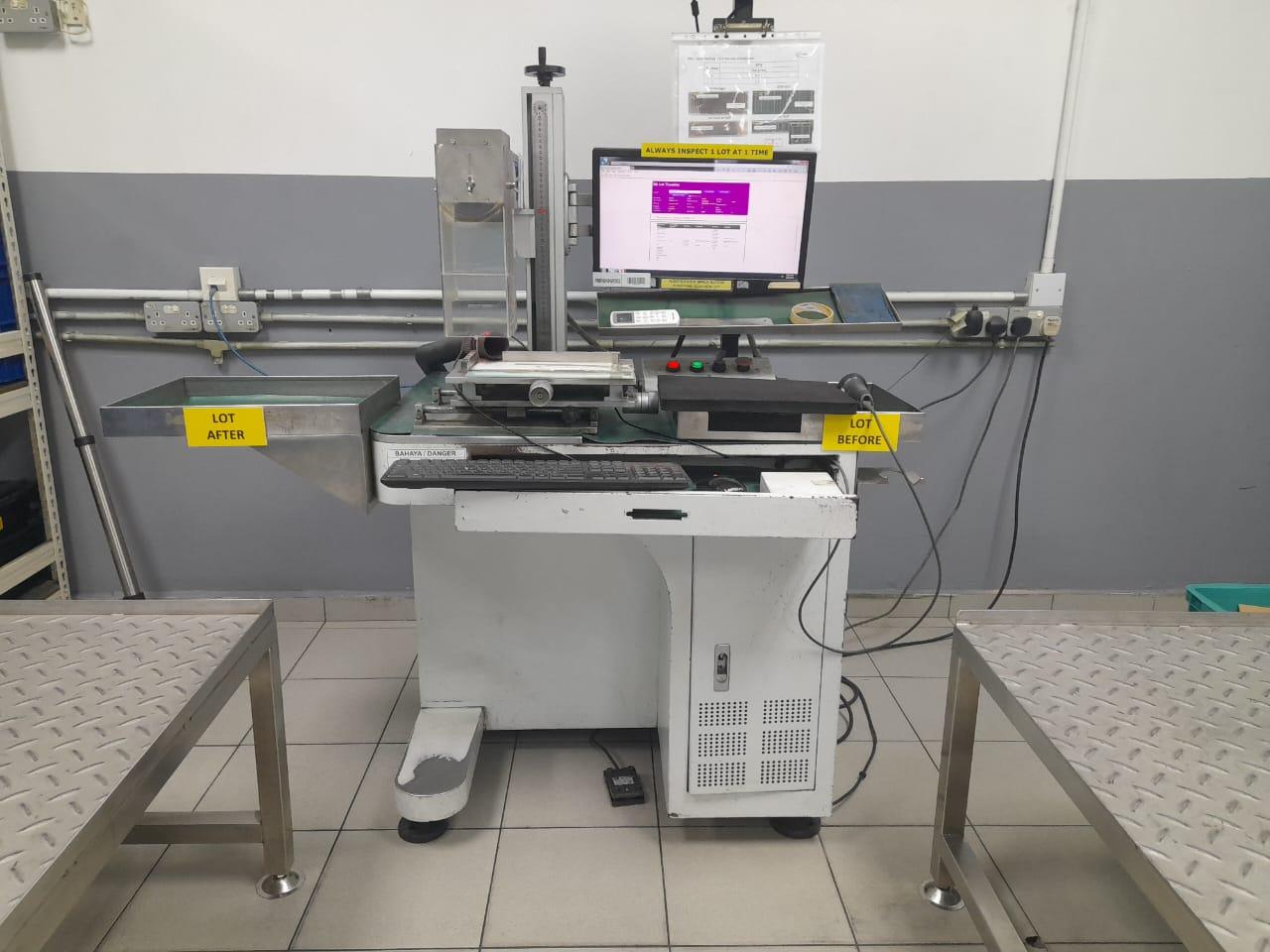
Trf_Laser Marking_KHOOWANG_AHL-FB20_PMRKKHW002
-
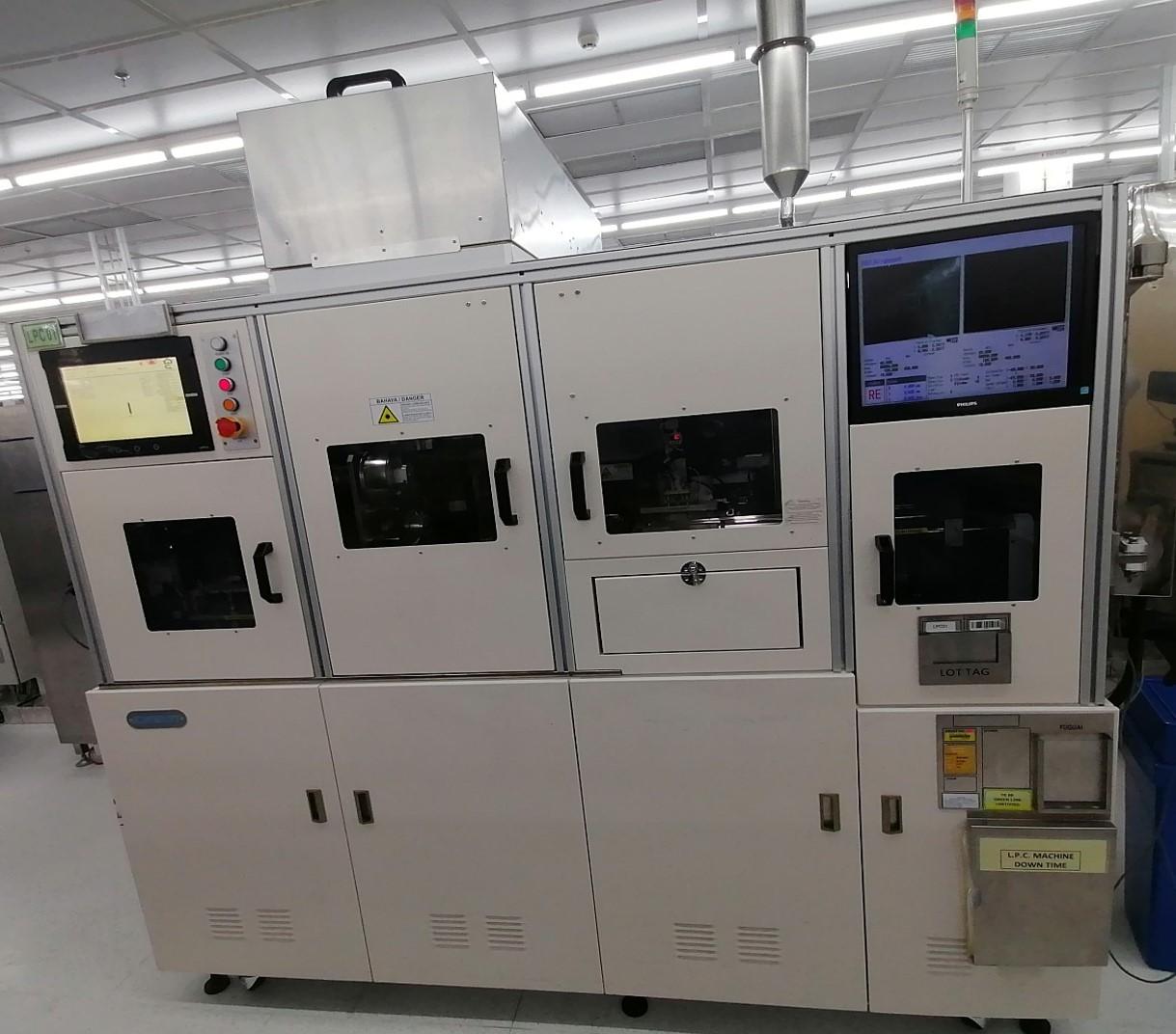
LASER MARK_KINERGY TAPING ARRAY CUT_LPC01
-
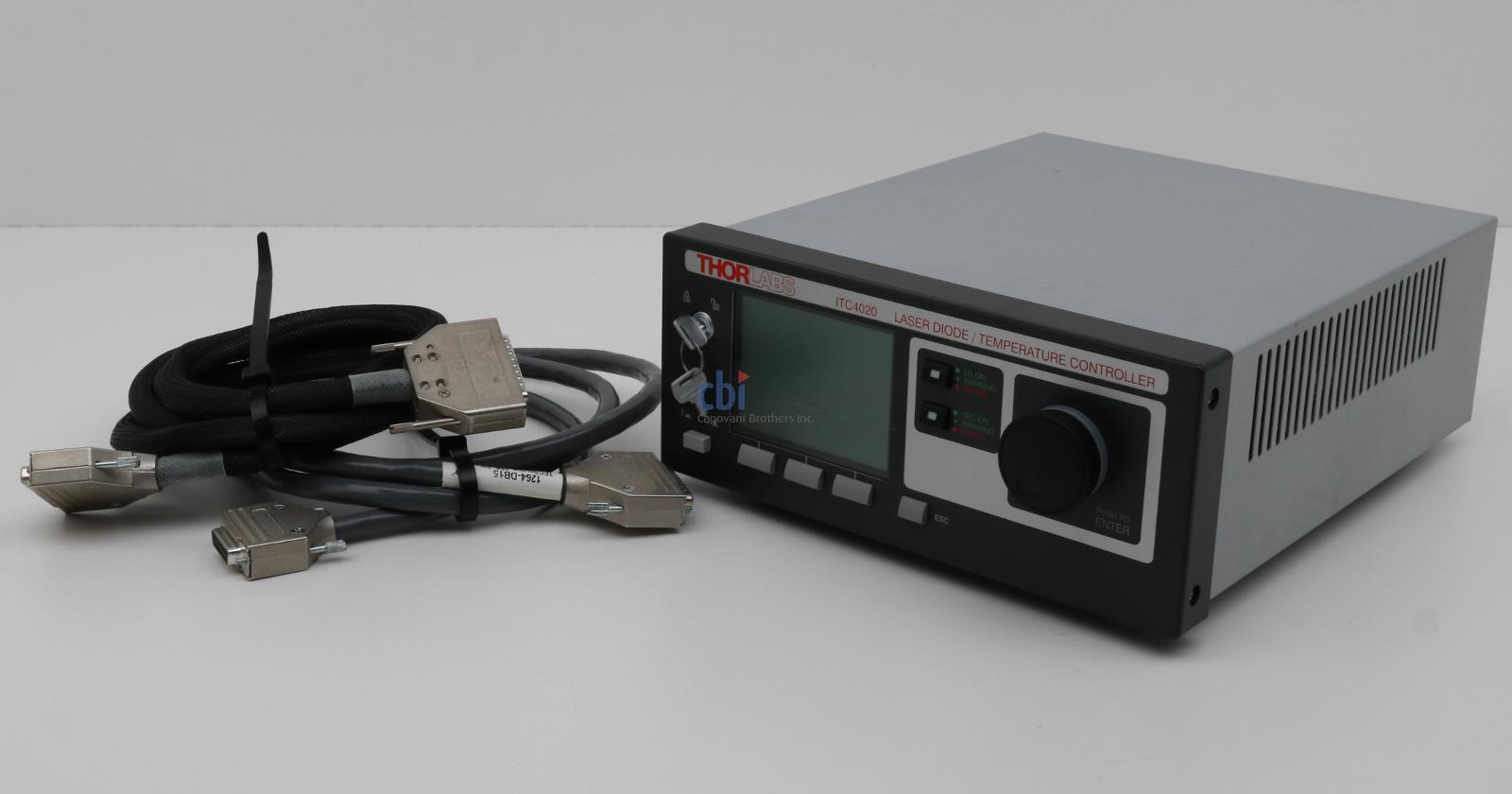
Other Optical / Photonic Equipment
THORLABS LASER DIODE TEMPERATURE CONTROLLER
-
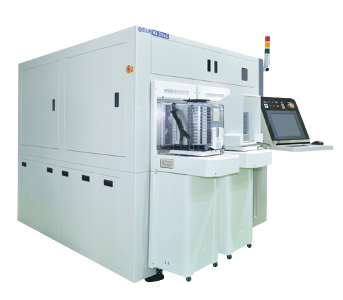
E&R Engineering WID-300 Laser Wafer ID Marking Tool
E&R Engineering WID-300 Laser Wafer ID Marking Tool
200mm & 300mm Wafers
WID-200 Available for 6" to 200mm Wafers
-
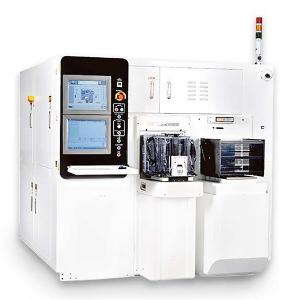
E&R Engineering WB-300FGS Backside Laser Ablation Tool
E&R Engineering WB-300FGS Backside Laser Ablation Tool
Grooving Capability Down to 5µ Line Width
Call for Details
-
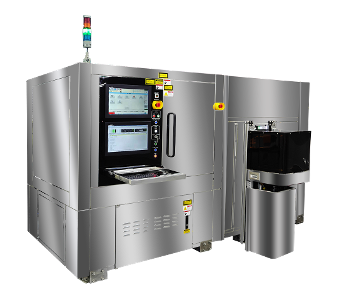
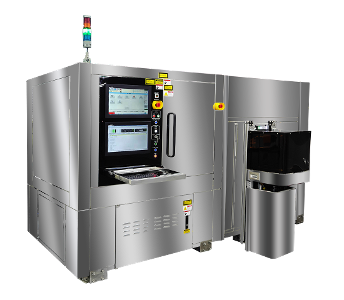
E&R Engineering WD-300AUV Laser Wafer Dicing Tool
E&R Engineering WD-300AUV Laser Wafer Dicing Tool
Call for Details
-
-
Other Optical / Photonic Equipment
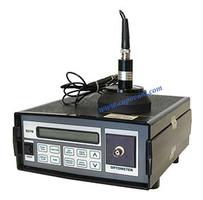
UDT SINGLE- CHANNEL OPTOMETER/265 SENSOR
Single-Channel Optometer/265 Sensor
-
Other Lasers & Related Equipment
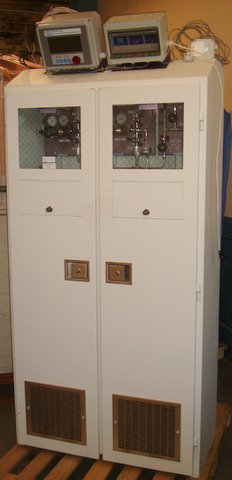
Linde,Spectra Gases 3-Bottle Gas Cabinet with 206C Shutdown Controller
- Model 206-C Spectra Gases PLC Control with spares available.
- Multi Gas Controller set up with two HF transmitters, but other gas options exist from Linde.
- Removable gas panels equipped with both F2 Premix and inert regulators.
- Past use for excimer laser in semiconductor industry.
- Limited controller and sensor/actuator testing has been performed.
Popular Manufacturers
Common Applications
Precision Calibration
Optical Measurements
Metrology
Traceability Assurance
Frequently Asked Questions
What are lasers used for in measurement systems?
Lasers are utilized for their ability to provide accurate and precise light sources, which are essential in measurement systems for achieving high resolution and calibration traceability.
What are the key specifications to consider for lasers in metrology?
Key specifications include the wavelength of the laser, its power rating, and optical geometry, all of which contribute to the instrument's resolution and accuracy.
How do lasers ensure calibration traceability?
Lasers ensure calibration traceability by providing a consistent and precise light source, essential for maintaining accurate measurement standards and protocols.
What factors affect laser performance in laboratory settings?
Factors such as ambient temperature, humidity, and optical alignment can significantly impact laser performance, hence the importance of regulated environmental conditions.
Log in with your username/email address