
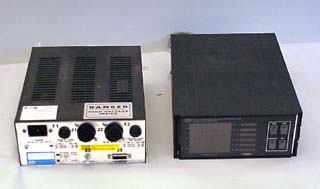
GRANVILLE PHILLIPS VACUUM GAUGE CONTROLLER
Dual Ion/Two Convectron Gauge Controller
Representative photo
Capable of controlling two ion gauges and two convectron gauges
Granville Phillips 307
Vacuum gauges are vital instruments used to measure and monitor pressure levels within vacuum systems. They provide high accuracy in readings across different ranges, such as up to 1000 Torr, ensuring traceable measurement results for precise control and calibration in laboratory and industrial applications.
Dual Ion/Two Convectron Gauge Controller
Representative photo
Capable of controlling two ion gauges and two convectron gauges
Granville Phillips 307
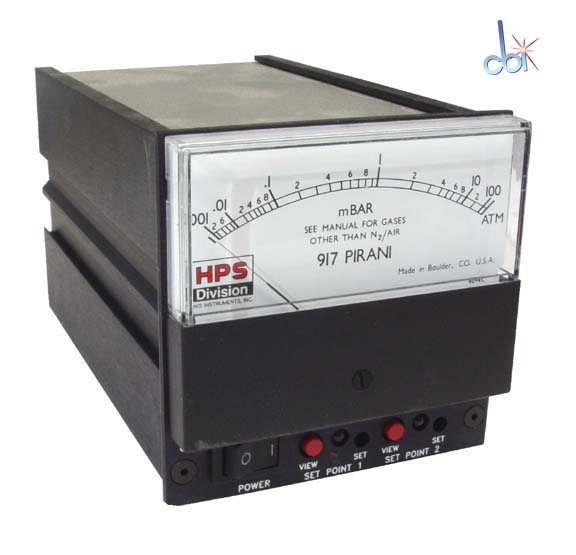
Pirani Gauge Controller
Never used in original box.
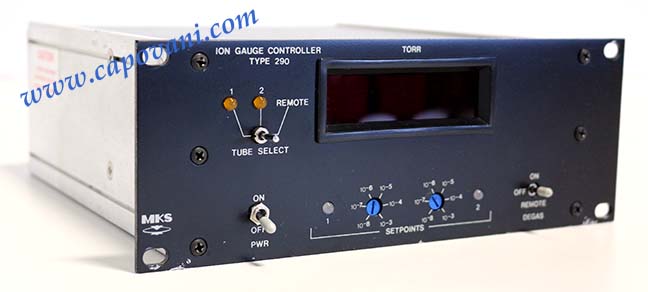
Refurbished Ionization Gauge Controller
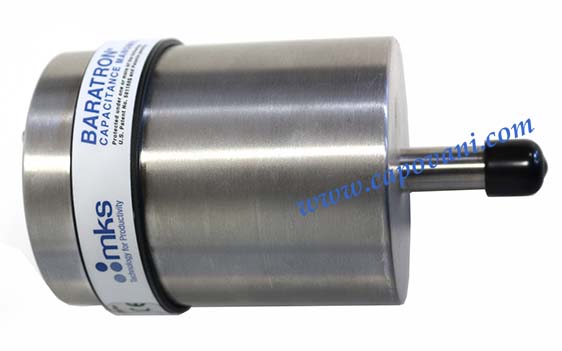
Capacitance Gauge
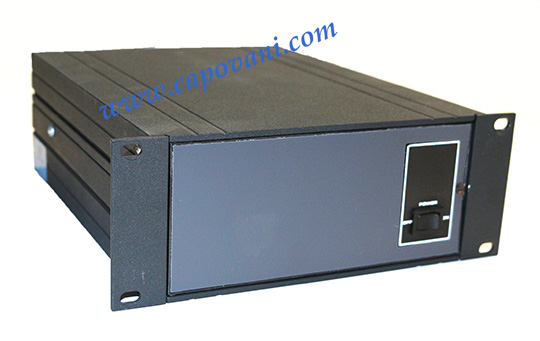
316 Series Convectron Gauge Controller
Granville Phillips 316 Convectron Vacuum Gauge Controller allows you to measure pressure at six points in a vacuum system simultaneously.
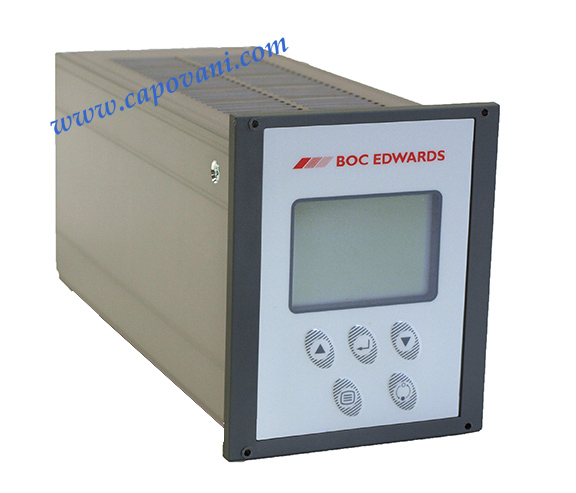
TIC Instrument Controller - 3 Head
TIC can accodomate 3 active gauges and automatically recognizes and controls active gauges including APG100 Pirani, convection, thermocouple, strain, inverted magnetron, wide range and active ion gauges.
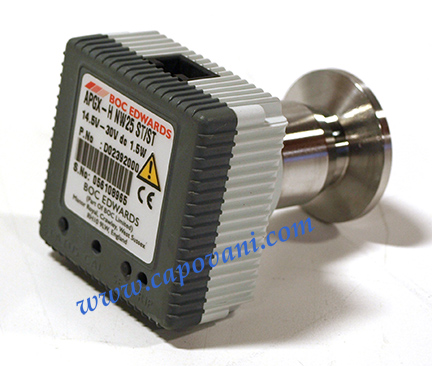
Active Linear Convection Gauge
BOC Edwards Part number D02392000.
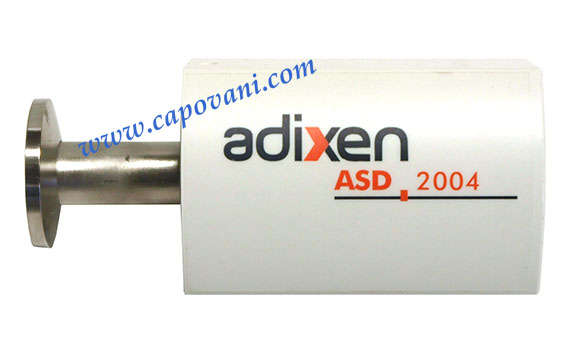
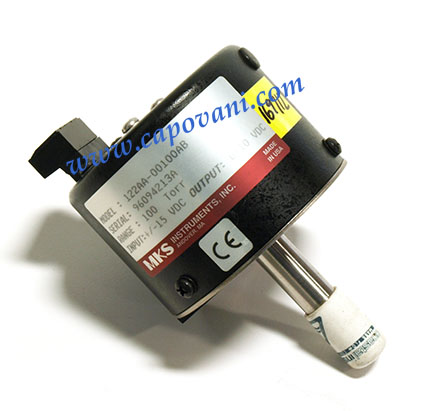
100 Torr Capacitance Gauge
MKS Instruments Baratron 12
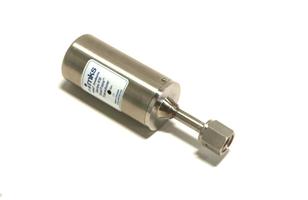
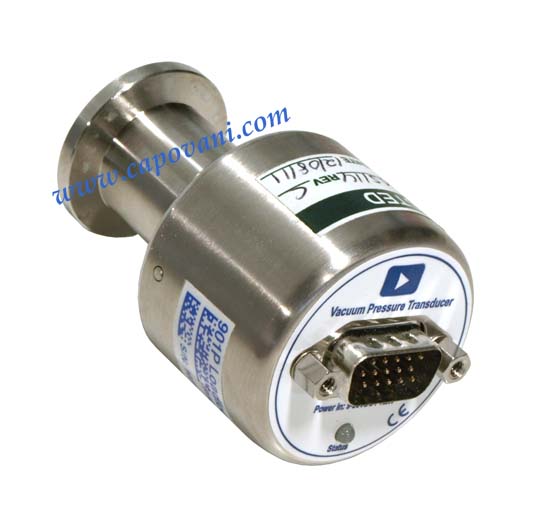
Micro Pirani /Absolute Piezo Transducer
Log in with your username/email address