
Sensors
Sensors are devices that detect and respond to changes in an environment, transforming these changes into electrical signals for measurement. These instruments provide precise measurement capabilities across a range of specifications such as temperature, pressure, and humidity, ensuring high resolution and traceability in laboratory and industrial settings.
-
-
-
Shinyei Kaisha THP-B4TW Temperature and Humidity Sensor
Shinyei Kaisha THP-B4TW Temperature and Humidity SensorTemperature and Humidity Sensor
-
Temperature & Humidity Chambers
CINCINNATI SUB ZERO TEMPERATURE AND HUMIDITY CHAMBER 190C
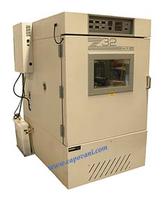
32 Cubic Foot Temperature and Humidity Chamber
-

-
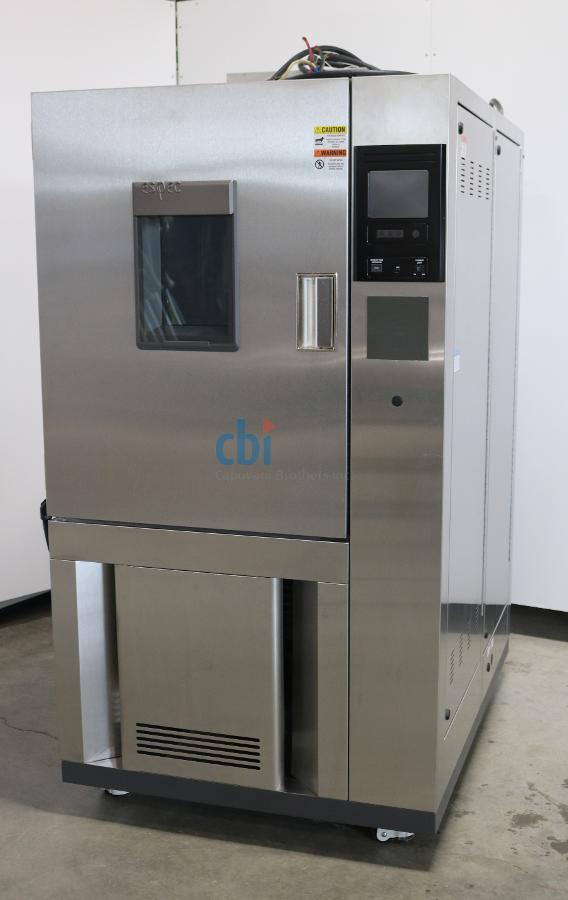
Temperature & Humidity Chambers
ESPEC PLATINOUS ENVIRONMENTAL CHAMBER 14 CU FT
Temperature & Humidity Chamber
-
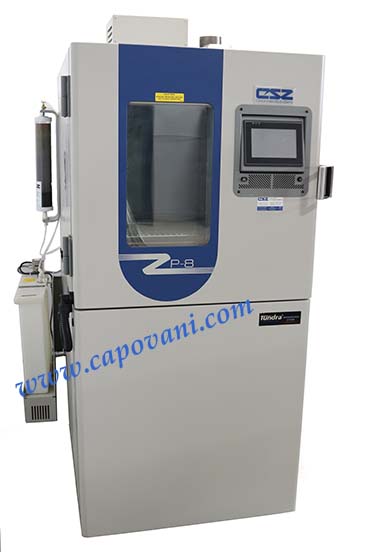
Temperature & Humidity Chambers
CINCINNATI SUB-ZERO TEMP/HUMIDITY CHAMBER, 8 CUBIC FEET AIR COOLED
Temperature and Humidity Chamber -- Air-Cooled Tundra Refrigeration System
-
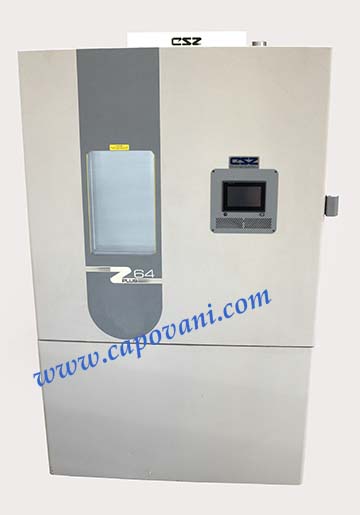
Temperature & Humidity Chambers
CINCINNATI SUB-ZERO TEMP/HUMIDITY CHAMBER, 64 CUBIC FEET AIR COOLED
Temperature and Humidity Chamber -- Air-Cooled
-
-
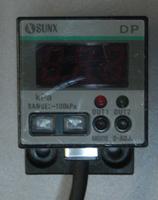
Sunx DP-80Z LED Display Digital Pressure Sensor
Sunx DP-80Z LED Display Digital Pressure SensorLED Display Digital Pressure Sensor
-
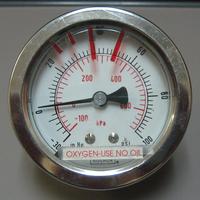
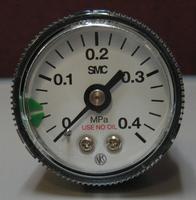
Noshok -30-100PSI Pressure Gauge
Noshok -30-100PSI Pressure Gauge-30-100PSI Pressure Gauge
-
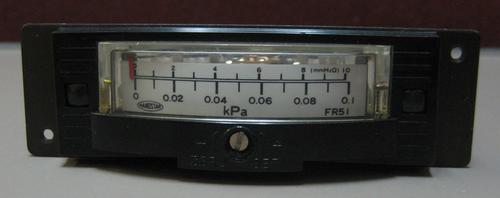
Popular Manufacturers
Common Applications
environmental monitoring
quality control
data collection
industrial processing
laboratory experiments
Frequently Asked Questions
What are the primary functions of sensors?
Sensors are used to detect changes in the environment such as temperature, pressure, and humidity, converting them into electrical signals for precise measurement and monitoring.
How do sensors ensure measurement accuracy?
Sensors achieve high accuracy by utilizing precise calibration standards and maintaining resolution specifications to ensure traceable and reliable data collection.
What are the key specifications to look for in sensors?
Key specifications include operating ranges for temperature, pressure, and humidity, as well as resolution, accuracy, and calibration status to ensure precise measurement capabilities.
How are sensors applied in laboratory settings?
In laboratories, sensors are used to monitor and measure specific environmental conditions, providing vital data for experiments and quality control processes.
Log in with your username/email address