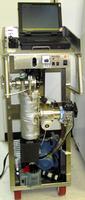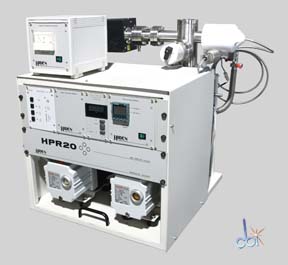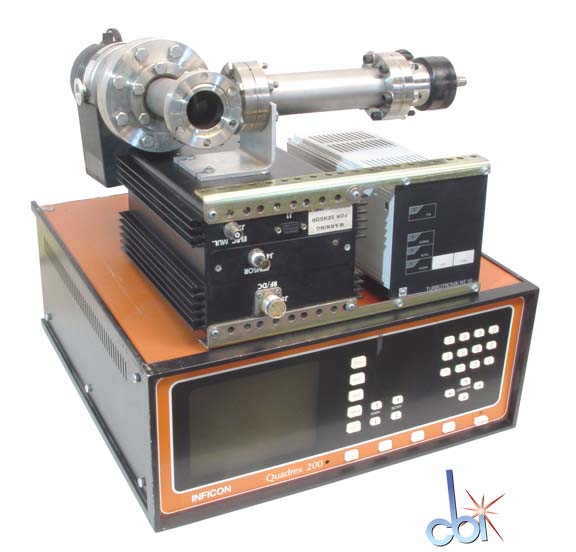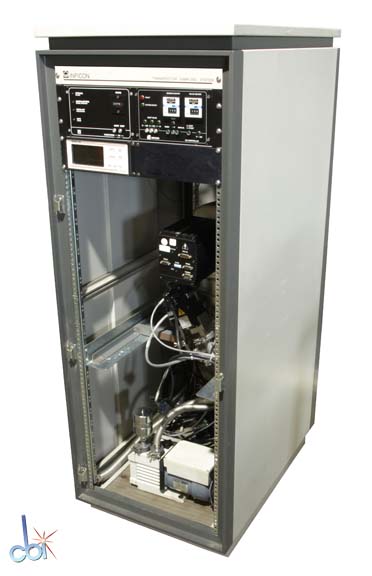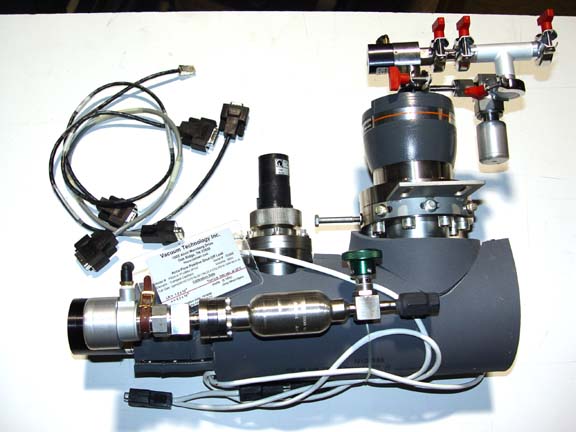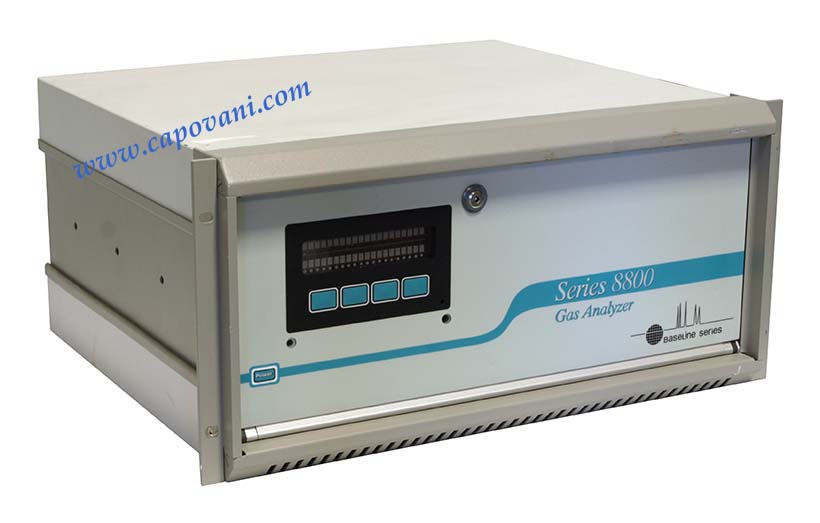
Mass Spectrometry

Mass spectrometry is a powerful analytical technique used to identify chemical structures and quantify molecules by measuring mass-to-charge ratios. It offers high-resolution capabilities with mass accuracy and allows for traceable, repeatable analysis suitable for complex sample matrices across a broad range of conditions.

Common Applications

Molecular analysis

Chemical structure identification

Quantitative analysis

Complex matrix analysis

Trace analysis

Environmental monitoring

Buying Guide

Mass Spectrometry Buying Guide

Choosing the right mass spectrometer involves evaluating your analytical needs and the specific features required for precise measurements.

Consider the resolution and mass accuracy required for your applications, as well as the traceability and repeatability of results.

  • Verify the resolution and accuracy specifications that your experiments demand.
  • Ensure the mass spectrometer supports the necessary ionization methods for your analyses.
  • Consider the operating range in terms of temperature and environmental conditions your samples might require.
  • Check for traceability and calibration options to ensure long-term reliable performance.

Frequently Asked Questions

What is mass spectrometry used for?
Mass spectrometry is used for molecular analysis, including identifying chemical structures, quantifying molecules, and analyzing complex sample matrices with high precision and accuracy.
How does mass spectrometry work?
Mass spectrometry works by ionizing chemical compounds to generate charged molecules and measuring their mass-to-charge ratios to obtain a molecular profile.
What are the advantages of using mass spectrometry?
Advantages include high resolution, mass accuracy, traceability, and the ability to analyze complex mixtures with great precision.
What specifications should be considered when selecting a mass spectrometer?
Key specifications to consider include resolution, mass accuracy, ionization methods, and operating ranges in terms of temperature and pressure.