
Optical Breadboards and Plates
Optical breadboards and plates provide a stable and precise platform for setting up optical experiments and measurements. These components support optical alignment and calibration with features like vibration damping and rigidity, crucial for maintaining accuracy in experiments where optical geometry and resolution are vital.
-
-
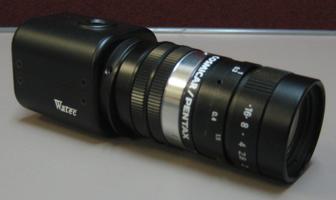
Watec WAT-902A Monochrome CCD Camera Pentax 25mm
Watec WAT-902A Monochrome CCD Camera w/Cosmicar/Pentax 25mm TV Lens 1:1.4 -
-

GRECO BROTHERS, INC. ULTRASONIC BATH
Ultrasonic Bath
Greco Brothers, Inc. UT3932-6624-12
-

GRECO BROTHERS, INC. ULTRASONIC BATH
Ultrasonic Bath
Greco Brothers, Inc. UT3932-4I1114
-
-
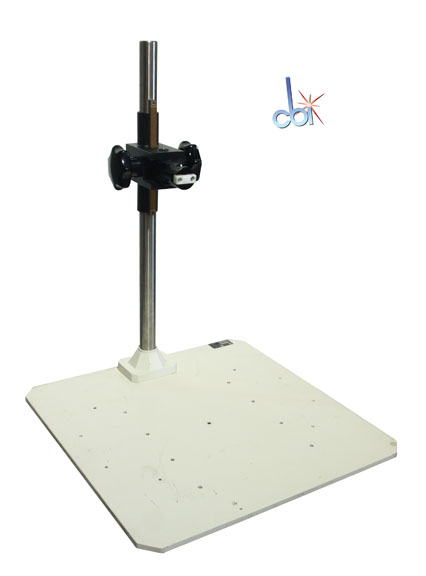
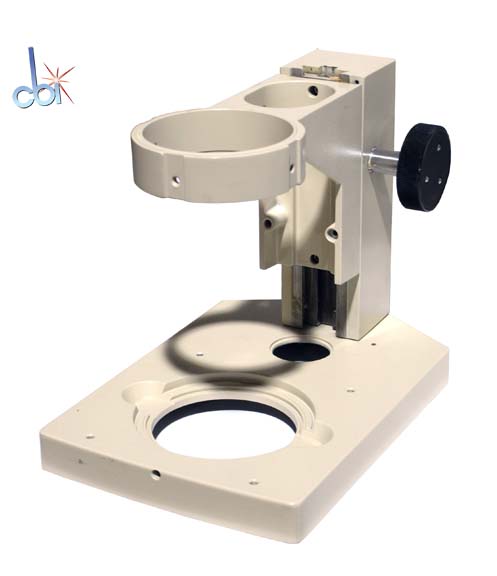
MICROSCOPE STAND
Large StereoZoom Microscope Stand
Available only with purchase of a B&L, Nikon, or Olympus StereoZoom Microscope
-
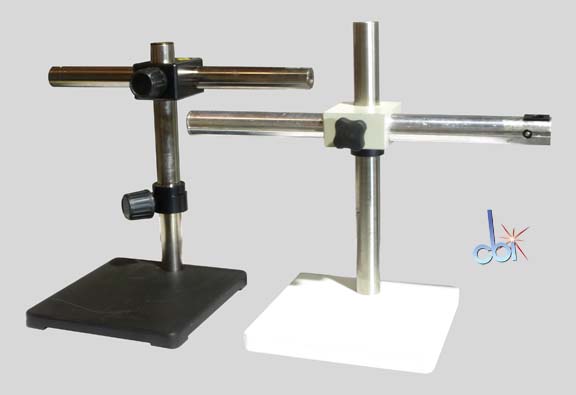
BOOM STAND
Microscope Boom Stand
Stands can be fitted for B&L StereoZoom Microscopes, Leica StereoZoom Microscopes, Nikon StereoZoom Microscopes, and Olympus StereoZoom Microscopes Available only with purchase of a Stereozoom Microscope E-arm not included
-
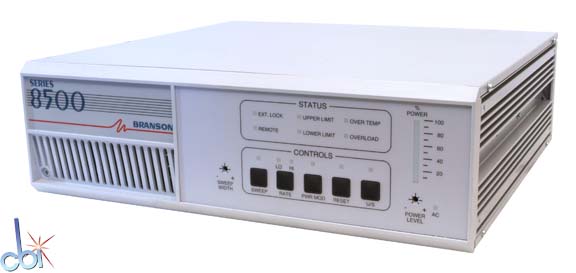
BRANSON ULTRASONIC BATH POWER SUPPLY WITH TRANSDUCERS
Ultrasonic Bath Power Supply w/Transducers
Branson 8500 Special
These power supplies are specially designed to power 7 transducers
-
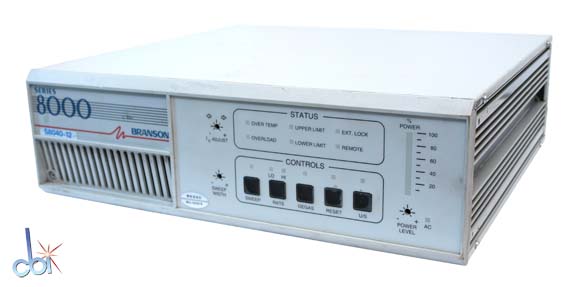
-
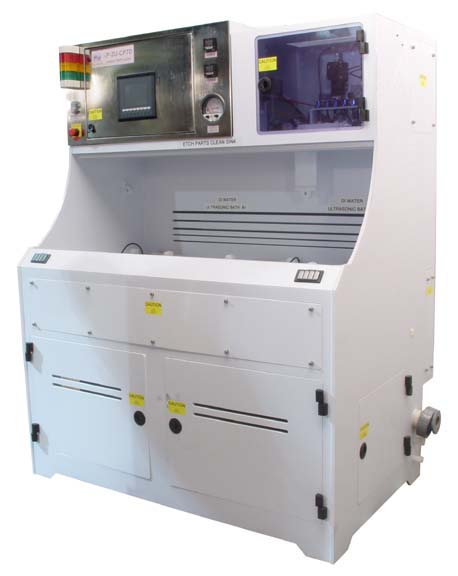
FLOW DESIGNS LAMBDA P-2U-CP7D
Dual Station Ultrasonic Microprocessor Controlled Parts Cleaning Station
-
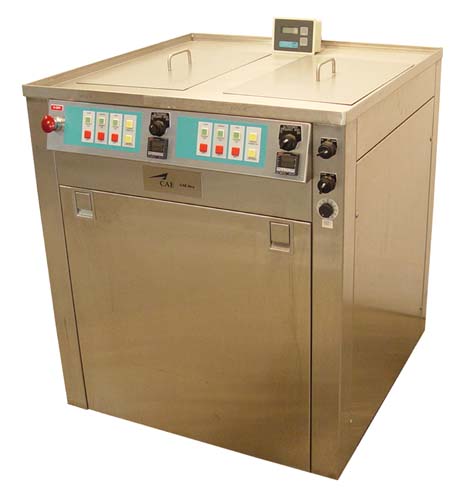
CAE NEY AQUEOUS CLEANING SYSTEM 22.71 LITER
Aqueous Cleaning System
Cae Ney Model BCS-6-US
Cae Ney is now CAE Ultrasonics
Popular Manufacturers
Common Applications
Optical Experiments
Laboratory Setups
Precision Measurements
Optical Alignment
Calibration Platforms
Frequently Asked Questions
What materials are optical breadboards made of?
Optical breadboards are commonly made from stainless steel or solid aluminum for durability and stability.
How do optical breadboards enhance measurement accuracy?
Optical breadboards enhance measurement accuracy by providing a stable, vibration-damped surface that minimizes disruptions during optical experiments.
What is the typical size range for optical breadboards?
Optical breadboards can vary in size, with common dimensions including 24 x 24 inches and up to 4 x 8 feet, depending on the experimental setup requirements.
Can optical breadboards be used in high-precision applications?
Yes, optical breadboards are designed for high-precision applications where optical alignment and stability are crucial for accurate results.
Log in with your username/email address