
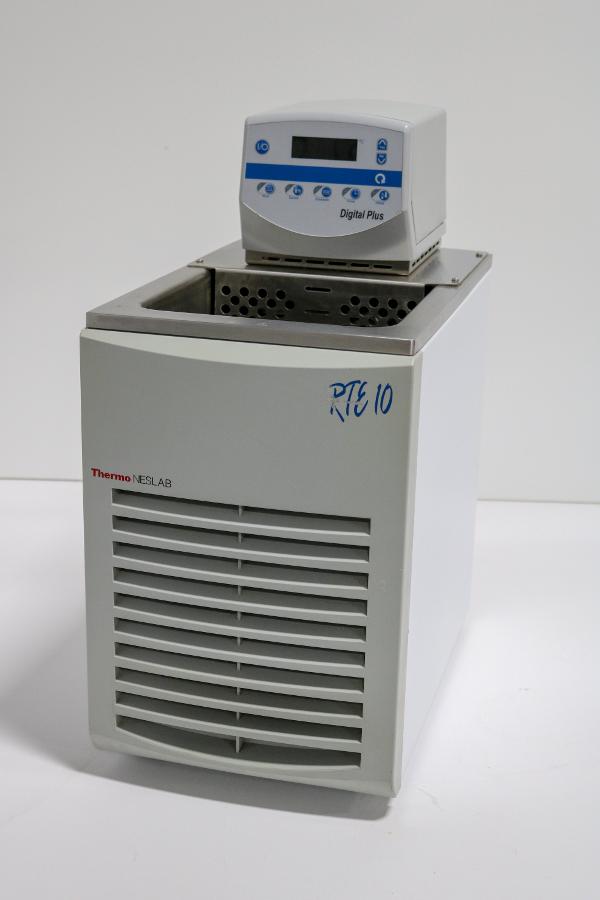
Laboratory Incubators
Laboratory incubators are essential for maintaining a controlled environment of temperature and humidity for biological experiments. They offer precise temperature control from ambient to over 100°C, ensuring repeatable conditions for cell culture, microbial studies, and incubation protocols.
-
-
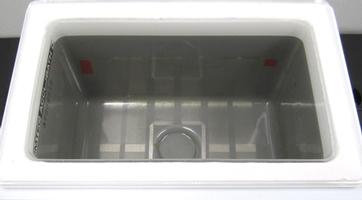
IMTEC QZ-A1252-14
Acculine/Accubath Quartz Tank, Laminated Heating for Dual 125mm Cassettes -
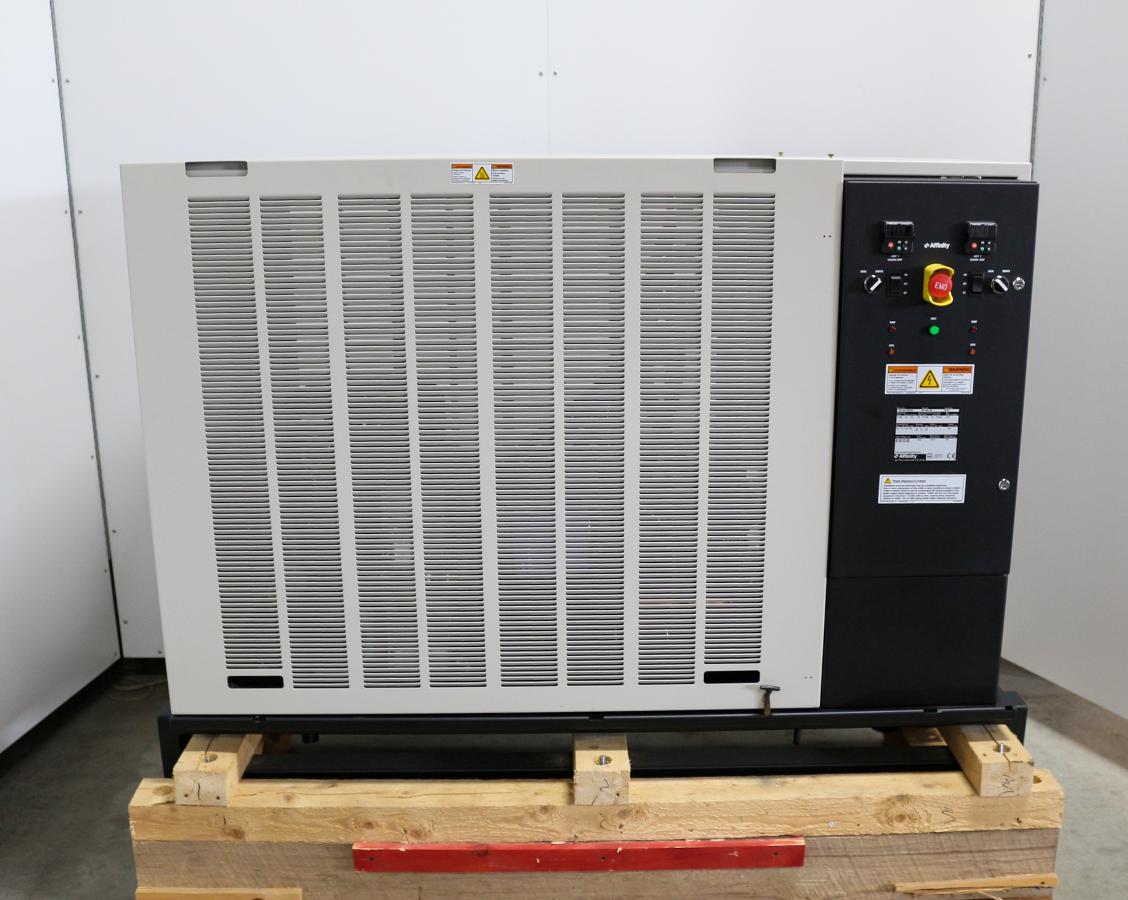
LYDALL AFFINITY LYTRON DUAL LOOP CHILLER 13000 WATT
-
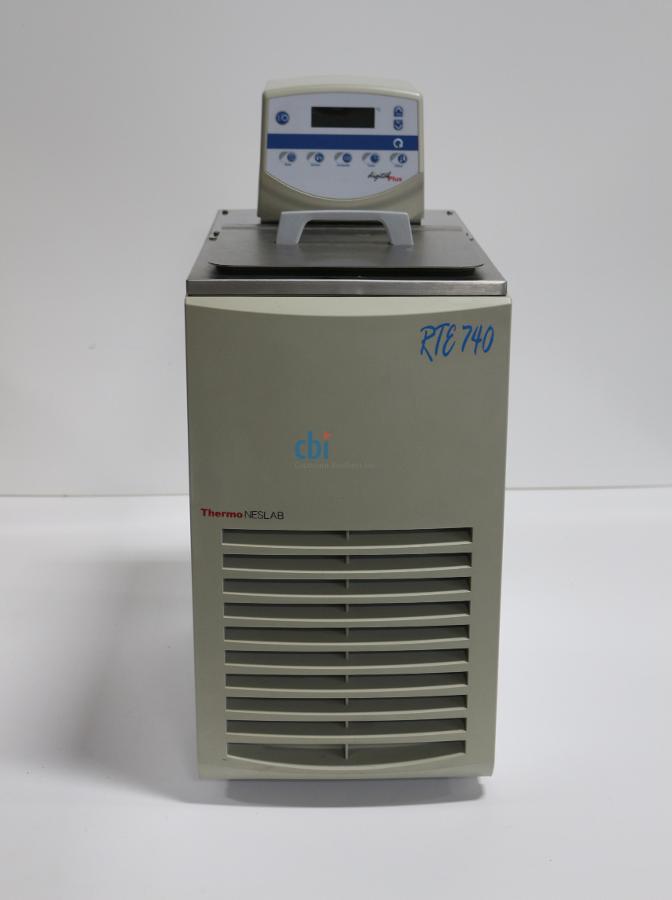
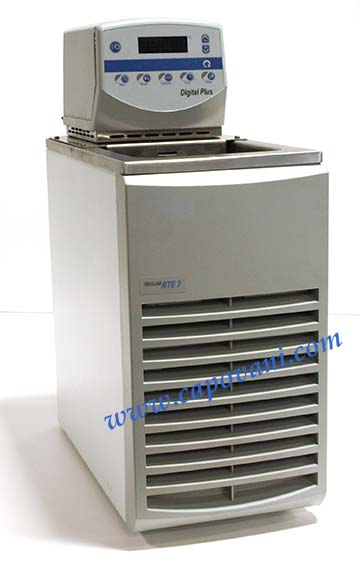
NESLAB REFRIGERATED BATH CIRCULATOR,800 WATT
Refrigerated Bath with Digital Plus Programmable Controller
-
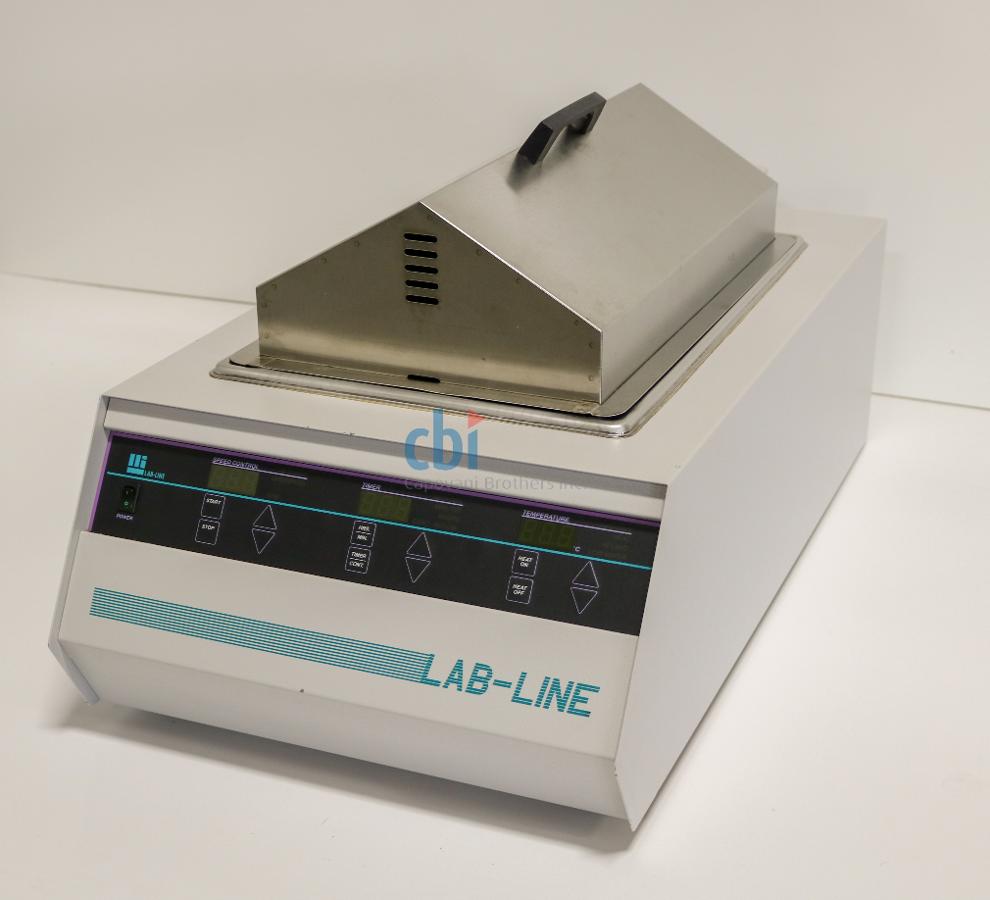
BARNSTEAD LAB-LINE RECIPROCATING WATER BATH SHAKER
Digital Reciprocating Water Bath Shaker
-
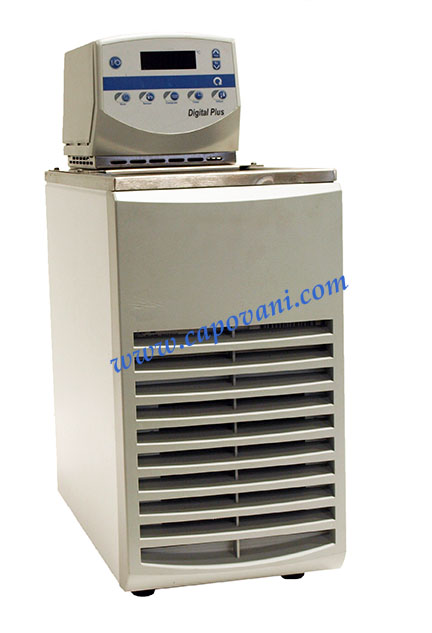
NESLAB RECIRCULATING CHILLER 500 WATT
Refrigerated Bath, 230 Volt, 50 Hz
Includes automatic reservoir refill system.
-
Popular Manufacturers
Common Applications
cell culture
microbial studies
protein synthesis
fermentation processes
Frequently Asked Questions
What is the typical temperature range of a laboratory incubator?
Most laboratory incubators offer a temperature range from just above ambient to around 100°C, providing flexibility for various biological applications.
How do incubators maintain precise temperature control?
Incubators use a combination of heating elements and sensors to accurately maintain temperature settings, often coupled with digital displays for easy adjustments.
Why is humidity control important in incubators?
Humidity control is crucial in incubators to prevent dehydration or condensation in the incubated samples, which can affect experimental results.
What applications are laboratory incubators used for?
Laboratory incubators are used for cell culture, microbiology experiments, and other protocols requiring stable environmental conditions.
Log in with your username/email address