Vacuum Systems

Vacuum systems are critical for creating highly controlled vacuum environments necessary for various laboratory and industrial processes. With flow ratings from 91 to 357 CFM, these systems ensure precise vacuum control and reliability in demanding applications.

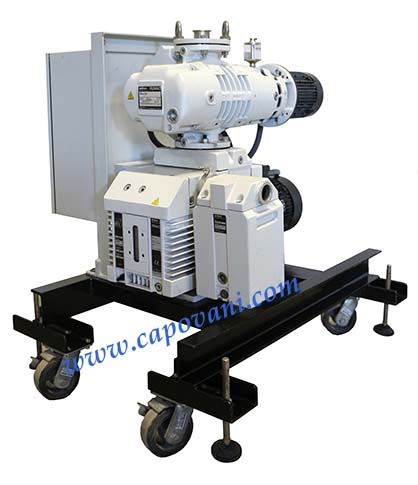
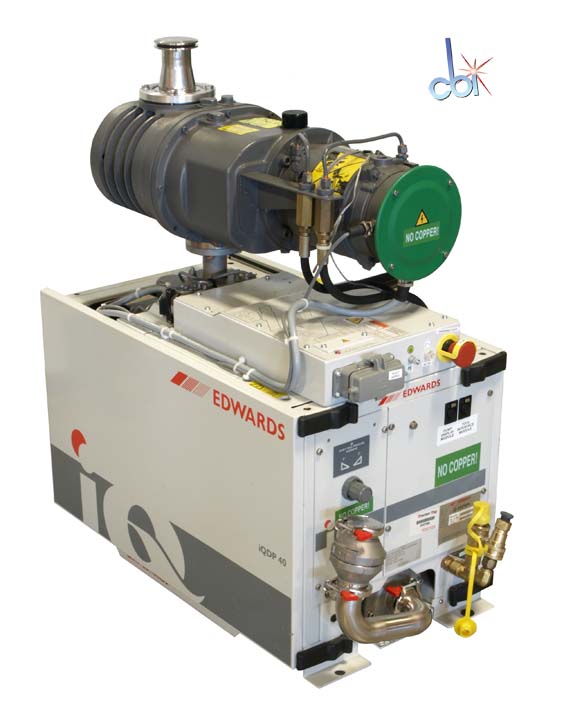
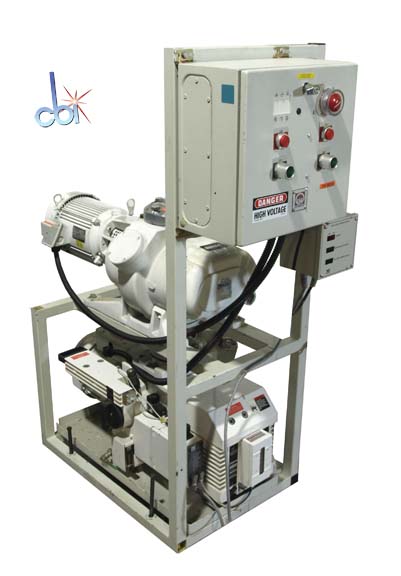
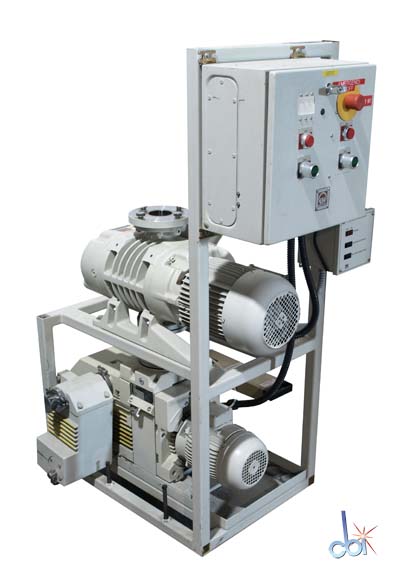
  1. Edwards Drystar GV600 Dry Pump with Aerzen Roots Blower GLB.15.11 HV-07

    Vacuum Pumping Systems

    Edwards Drystar GV600 Dry Pump with Aerzen Roots Blower GLB.15.11 HV-07

    This is an offering for a pump & blower set including:  1.) Large capacity BOC Edwards GV600F Drystar dry mechanical pump and 2.) Aerzen GLB.15.11 HV-07 roots blower.

    Please see attached documentation.

    These goods are fully owned by Cline Innovations and are located near Boston. From Edwardsvacuum.com: The design of the Edwards GV dry pumps is based on the well-proven claw technology for dry pumps. Two pairs of claw shaped rotors on two shafts rotate in opposite directions to trap and compress the pro­cess gas which flows along the axis of the shafts between the claw pairs.

    During each complete rotation of the claws, first the inlet port of each claw pair is exposed (to admit gas to the pump), then both the inlet and outlet are isolated (to trap and compress the gas), and then the outlet is exposed (to expel the compressed gas). The claw mechanism offers the following features:

    •Dry operation, non contact mechanism •Self valving - the pump can deliver to atmospheric pressure •Short gas path - better particulate handling •Staged compression - efficient power use •High process temperature - excellent water vapor handling Reliability Low vacuum bearings (at the exhaust stage of the pump) are protected from the process stream by a unique gas-purged shaft-seal. Compressed air is fed to the shaft seals which prevents the ingress of process contaminants, including gases, vapors and particulates. Low cost of ownership GV pumps can offer real cost of ownership savings. The GV pumps are robust and reliable, delivering a reduction in process downtime which would lead to lost production. In addition, the minimized cost of routine maintenance (such as oil and filter replacement, spares inventory holding and oil disposal) all adds to the savings using GV dry pumps. With service intervals of 18 months for re-greased bearings and 3 years for bearing changes, the GV pumps offer a highly reliable and cost effective alternative to piston pumps.

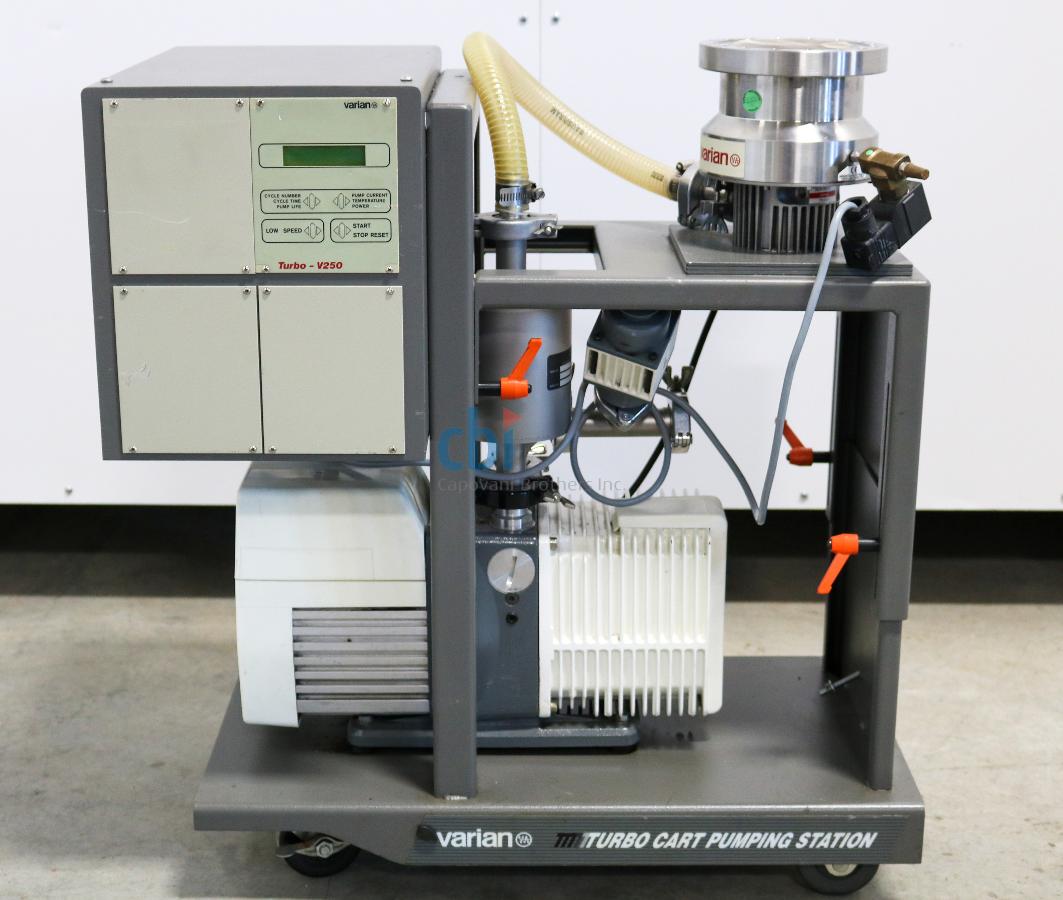
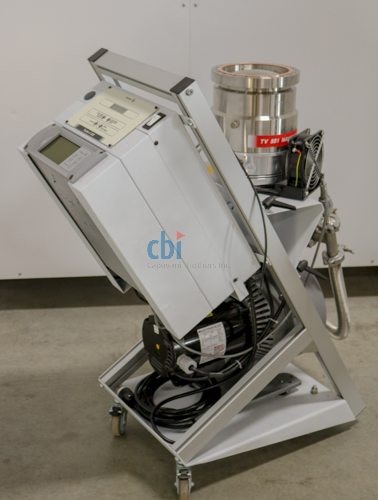
  2. PFEIFFER VACUUM UNIVERSAL DRY BACKING PUMP SYSTEM

    Vacuum Pumping Systems

    PFEIFFER VACUUM UNIVERSAL DRY BACKING PUMP SYSTEM

    Universal Dry Vacuum Pump System. For harsh duty processes.

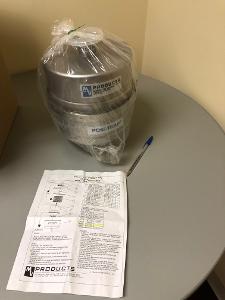
  3. MASS-VAC 340050, 8" POSI-TRAP Housing, NW-50 Connection

    Vacuum Pumping Systems

    MASS-VAC 340050, 8" POSI-TRAP Housing, NW-50 Connection

    • Includes:
      • New MASS-VAC 8" POSI-TRAP Housing with NW50 (KF50) Connection (p/n 340050)
      • Each housing includes a quantity of 4 New PolyPro 5µm Filter Elements (p/n 400935).
      • Modular Design Note: You can easily replace these cylindrical elements with other filter types offered by MASS-VAC which range from metallic gauze to activated charcoal to Sodasorb.
      • MV Products packaging and instructions.
      • All metal parts are 300 series Stainless Steel per POSI-TRAP spec sheet.

Common Applications

Laboratory settings

Industrial processes

Controlled environments

Material processing

Research and development

Quality control

Buying Guide

Vacuum Systems Buying Guide

When selecting a vacuum system, consider the specific requirements of your application to ensure optimal performance and compatibility. Key factors include the type of vacuum system and its suitability for your intended use.

Evaluate potential operating conditions and environment to choose a system robust enough for your conditions. Look for systems with documented capabilities and specifications, especially flow ratings and compatibility with existing equipment.

  • Check flow rate specifications to match process requirements, with options ranging from 91 to 357 CFM.
  • Consider pump type; for instance, roots pumps provide quick evacuation, while vacuum pumps offer stable vacuum maintenance.
  • Verify brand and model availability to align with your quality and reliability expectations.
  • Ensure the system has documented calibration status and maintenance records to support traceability and performance assurance.

Frequently Asked Questions

What types of vacuum systems are available?
Available types include vacuum pumping systems and roots pumping systems, each offering different flow rates and performance characteristics.
What are the typical applications for vacuum systems?
Vacuum systems are used in laboratory settings, industrial processes, and any application requiring controlled vacuum environments.
Which brands offer vacuum pumping systems?
Brands such as Alcatel, Leybold, Edwards, and Pfeiffer offer various models of vacuum pumping systems.
What is a typical flow rating for vacuum systems?
Flow ratings for vacuum systems can range from 91 CFM to over 357 CFM, depending on the system type and application.