
Materials Testing
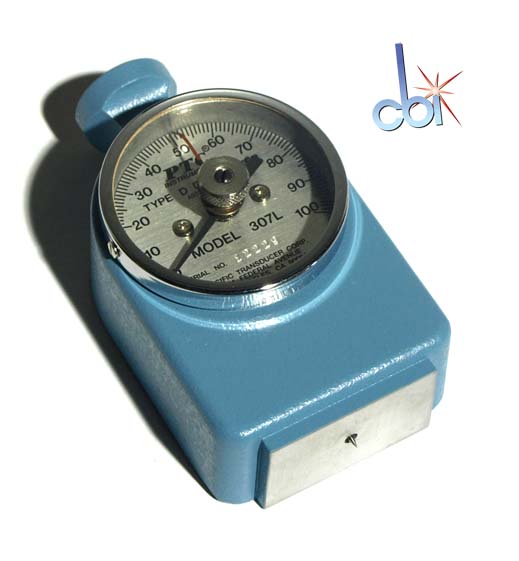
Materials testing involves evaluating the physical properties of materials to ensure conformity with standards and specifications. This process supports measurement precision with tools like durometers, which measure hardness and provide exact readings within specific Shore scales, ensuring repeatability and traceability.
Popular Manufacturers
Common Applications
hardness testing
material compliance verification
quality control in manufacturing
research and development
industrial materials evaluation
standardized testing procedures
Frequently Asked Questions
What is a Shore D durometer?
A Shore D durometer is a device used to measure the hardness of rigid materials, where higher readings indicate a harder material.
How do durometers support material testing?
Durometers provide precise hardness measurements on the Shore scale, important for verifying material properties under industry standards.
Why is repeatability important in materials testing?
Repeatability ensures consistency in measurement results, critical for verifying material performance against specification limits.
What specifications should be considered for a durometer?
Important specifications include the Shore scale range, measurement resolution, and calibration status to ensure reliable hardness testing.
Log in with your username/email address