Precision Measurement Instruments

Precision measurement instruments, such as interferometers and specialized measurement systems, are crucial for achieving high-accuracy measurements in scientific and industrial applications. These devices offer precise metrology capabilities with specifications like laser wavelength accuracy and thermal compensation for dependable calibration and traceability.

  1. NISSEI ELECTRIC CO. LTD INTERFEROMETER

    Interferometers

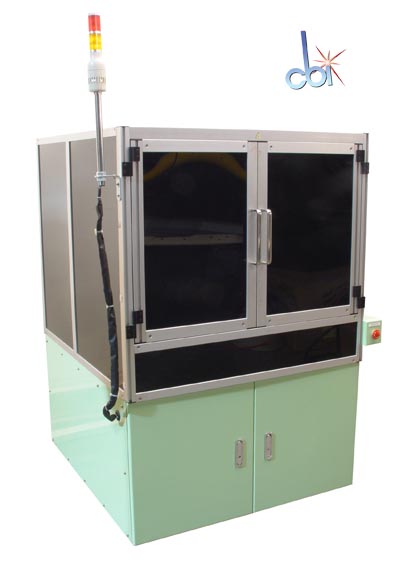
    NISSEI ELECTRIC CO. LTD INTERFEROMETER

    Computer Controlled Lens Measurement System. Laser Interferometer This system was designed to measure the minute coefficients of the compensating lens that become the target for calculating the amount of stripe shift error.

    The basic function is to measure lens based on NC data.

    Make: Nissei Electric Co.

    Model: Sony--Custom

    1 unit @ Best Price

Common Applications

scientific research

industrial metrology

optical path measurement

geometric analysis

dimensional measurement

calibration services

Buying Guide

Precision Measurement Instruments Buying Guide

When selecting precision measurement instruments, focus on key specifications that ensure reliability and accuracy in your applications.

Consider the device's calibration status and traceability to ensure compliance with industry standards.

  • Verify the laser wavelength accuracy and ensure it meets your required precision levels.
  • Check for thermal compensation features to mitigate environmental effect on measurements.
  • Look for comprehensive automated functionalities in measurement systems to streamline data analysis.
  • Ensure the instrument's calibration is traceable to national or international standards for optimal accuracy and reliability.

Frequently Asked Questions

What are the key features of an interferometer?
Interferometers are designed to measure optical path differences using coherent light, featuring laser accuracy and thermal compensation for precision measurement.
How do measurement systems support metrology?
Measurement systems provide automated capabilities for analyzing dimensional and geometric data, enhancing accuracy with advanced calibration standards.
Why is traceability important in calibration?
Traceability ensures that measurement results can be linked to national or international standards, providing confidence in the accuracy and reliability of the data.
What technical specifications are crucial for precision measurement instruments?
Technical specifications such as laser wavelength accuracy, environmental compensation, and calibration status are crucial for ensuring measurement precision and reliability.