Metrology

Metrology instruments are essential for ensuring accuracy and consistency in measurements across various applications. They support enhanced measurement capabilities with precision and traceability, featuring specifications like resolution, uncertainty, and accuracy essential for quality control.

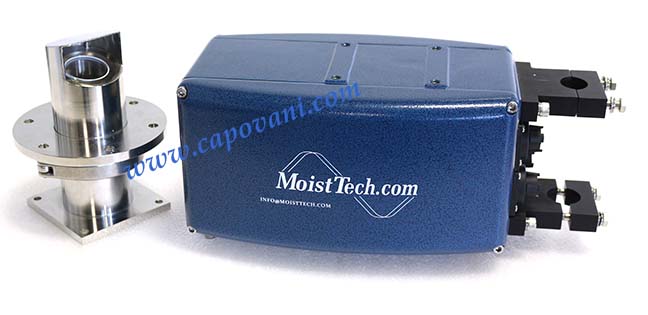
  1. MOISTTECH NEAR INFRARED ONLINE MOISTURE SENSOR

    Other Optical Inspection

    MOISTTECH NEAR INFRARED ONLINE MOISTURE SENSOR

    Instant Non-Contact Near Infrared Moisture Sensor Transmitter -- New Never Used

  2. BUEHLER LOW SPEED CUT-OFF SAW

    Cut-Off Saws

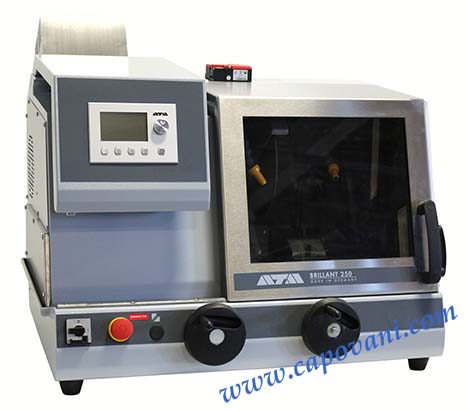
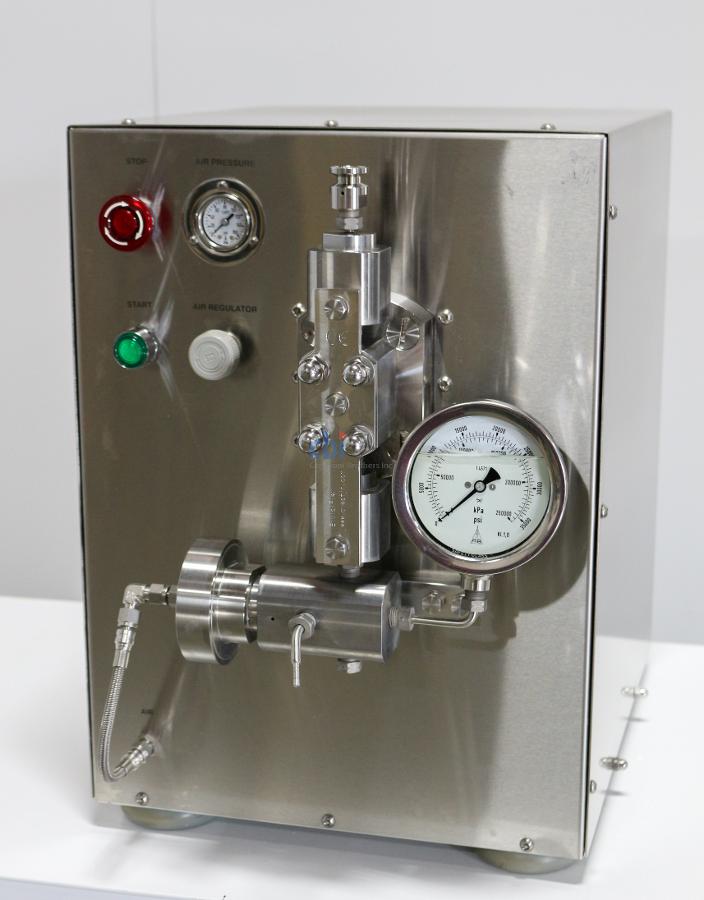
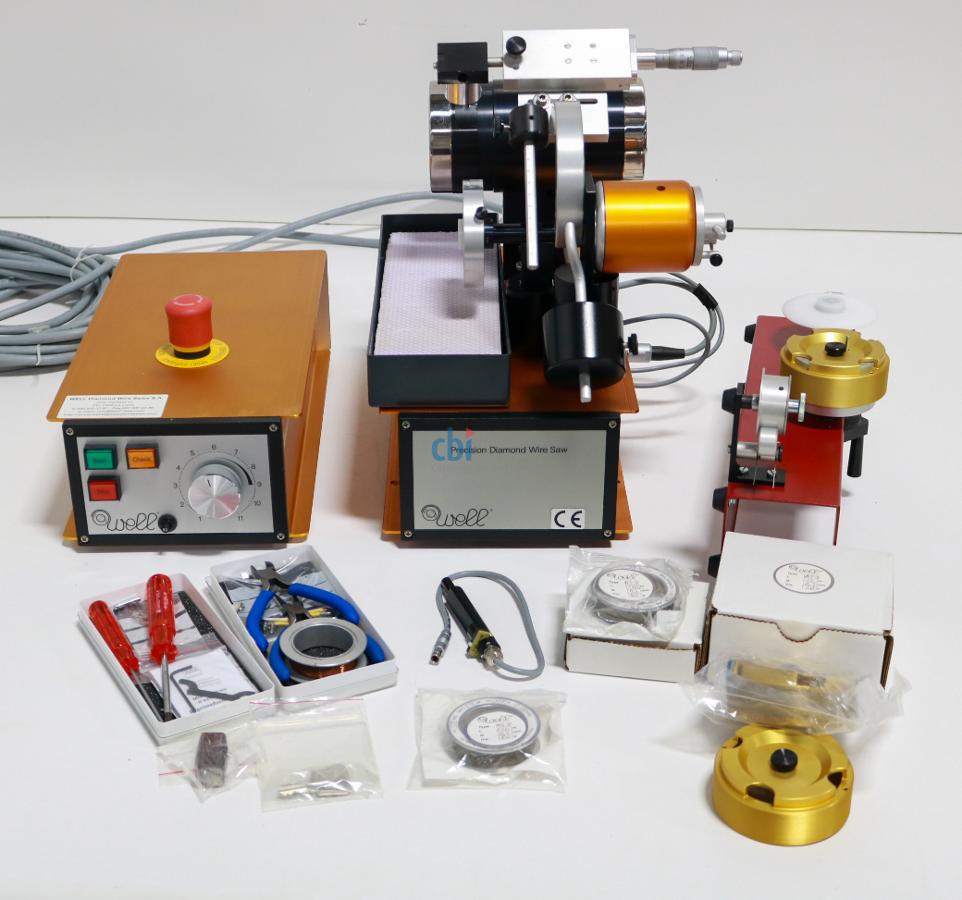
    BUEHLER LOW SPEED CUT-OFF SAW

    Precision Sectioning Saw Representative photo - color of saw may vary Various ISOMET chucks available.  See other information for more details.

Common Applications

Research

Quality Control

Calibration

Manufacturing

Optical Measurements

Laboratory Testing

Buying Guide

Metrology Equipment Buying Guide

Choosing the right metrology equipment involves various considerations to ensure precision and compliance.

Buyers should evaluate specific technical specifications and calibration requirements for their intended applications.

  • Verify the instrument's resolution and accuracy to match your measurement needs.
  • Ensure the equipment offers traceability back to recognized standards to guarantee measurement reliability.
  • Check the calibration status and support offered with the instrument.
  • Consider environmental factors like temperature range and humidity that may affect measurement precision.

Frequently Asked Questions

What is metrology used for?
Metrology is used for the measurement and calibration of instruments to ensure precision and accuracy in various applications such as manufacturing, research, and quality control.
How does traceability affect metrology?
Traceability ensures that measurement results can be related to national or international standards, providing confidence in the accuracy and consistency of the measurements.
What specifications are important in metrology?
Key specifications include resolution, uncertainty, accuracy, and repeatability, which determine the precision and reliability of the measurements.
Why is calibration important in metrology?
Calibration is crucial for ensuring that an instrument's measurements are true and reliable, which is essential for maintaining quality and compliance in various industries.