Filtration

Filtration instruments are critical for removing particulates and contaminants in various settings, including laboratories and industrial environments. These systems ensure accuracy and safety in processes by utilizing precise micrometer-rated filters, compatibility with cleanroom environments, and robust construction materials.

  1. CSK Ultrapure Reverse Osmosis System

    Reverse Osmosis and Ultra Filters

    CSK Ultrapure Reverse Osmosis System

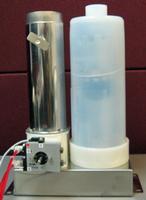
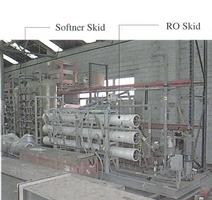
    THIS IS A DEMONSTRATION LISTING ONLY: NOT FOR SALE The system is a CSK Ultrapure Water System. This system was designed to produce 30 GPM of ASTM Type I water. Major components include: Multi Media Unit ASME Stamped, P/N N5240-30, Tag # MM-100, Tank Size 30" x 72" Manufacturer: Alamo Twin Water Softener:P/N 4059T1, Model A450FM-29T1, Tag # WS-100, Tank Size 2 ea. 30" x 72" Manufacturer: Alamo RO Pressure Vessels ASME Stamped, P/N E8L/SP3, Tag # RO-200, RO-201, RO-202, 3 ea. 8.5" OD x 338" Manufacturer: Codeline Spiral Wound RO Elements: P/N 8822HR, RO-200, RO-201, RO-202 Manufacturer: TFC RO Booster Pump: P/N 35VD1K5HO, Tag #P-200, stainless steel vertical, 5 HP, 55 GPM nominal flow Manufacturer: G&L DI Pump: P/N 2SVD1H5HO, Tag # P-201, stainless steel vertical, 5 HP 25 GPM nominal flow Manufacturer: G&L Electrical: 2 ea. panels for PLC control. One on the RO Skid and one on the Softener skid.
Common Applications

Laboratory Filtration

Industrial Filtration

Cleanroom Applications

Water Purification

Dust Collection

Air Filtration

Buying Guide

Filtration Buying Guide

Choosing the right filtration system is essential for maintaining process integrity and safety, particularly in laboratory and industrial applications. Consider the following factors when selecting a filtration product:

Evaluate the specific filtration requirements of your application, such as the size of particles to be filtered and the operational environment.

  • Check the micrometer rating to ensure the filter can capture particles of the required size.
  • Verify the filter's compatibility with your specific application, particularly in cleanroom settings.
  • Determine the necessary flow rate and pressure considerations for your system.
  • Consider the material construction of the filter for chemical compatibility and durability requirements.

Frequently Asked Questions

What are the common types of filters used in laboratories?
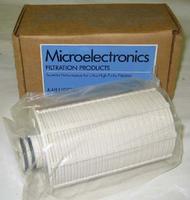
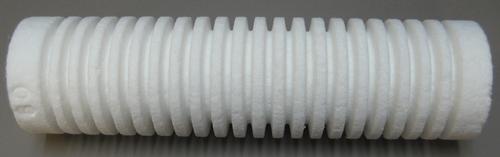
Common types include cartridge filters, cleanroom filter modules, and water filters, each designed for specific contaminants and micrometer ratings.
How do cleanroom filter modules differ from regular filters?
Cleanroom filter modules are designed to meet stringent cleanliness standards and often include features like HEPA or ULPA filters to capture tiny particulates.
What specifications are important for selecting a cartridge filter?
Key specifications include micrometer rating, material compatibility, and flow rate, which determine its efficiency and suitability for different applications.
Why is filtration important in industrial processes?
Filtration ensures the removal of particulates and contaminants, which is crucial for maintaining equipment integrity and product quality in industrial processes.