
Furnaces
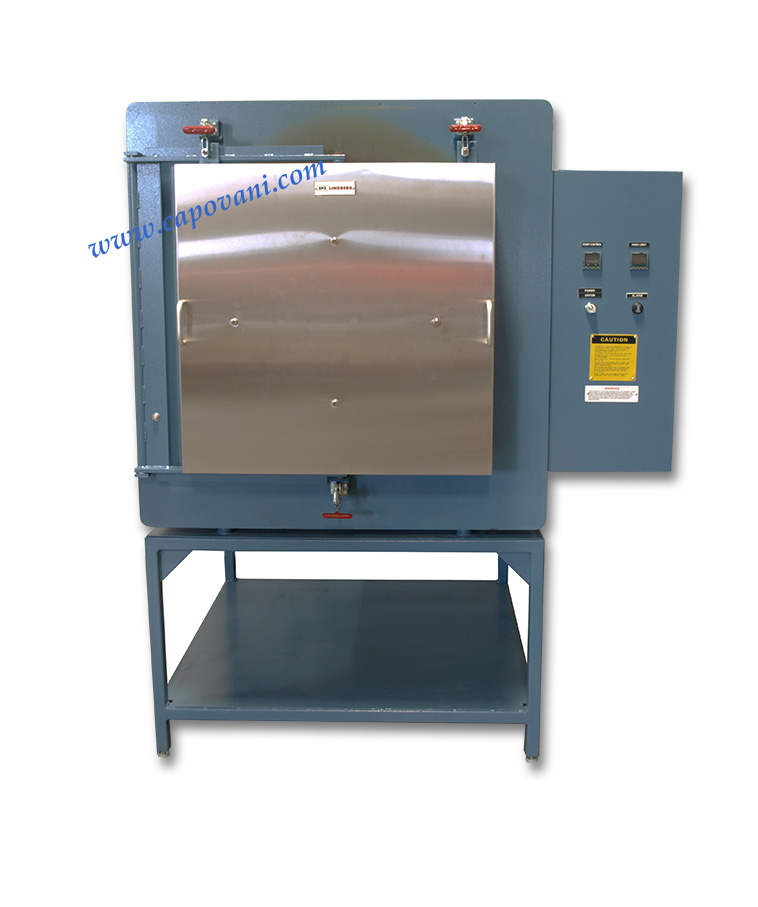
Furnaces are high-temperature equipment designed for heating materials in controlled atmospheres, crucial for material testing and processing applications. They support precise temperature control, with operating ranges up to 1700°C, ensuring accuracy and consistency in thermal treatment processes.
-
-
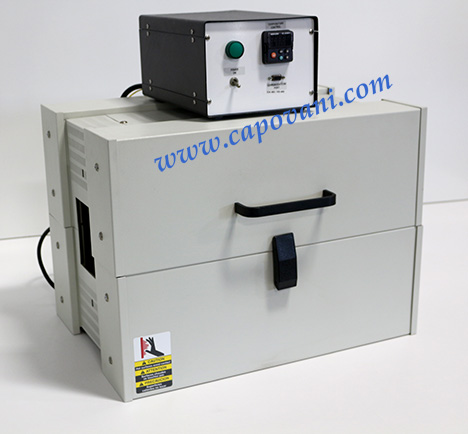
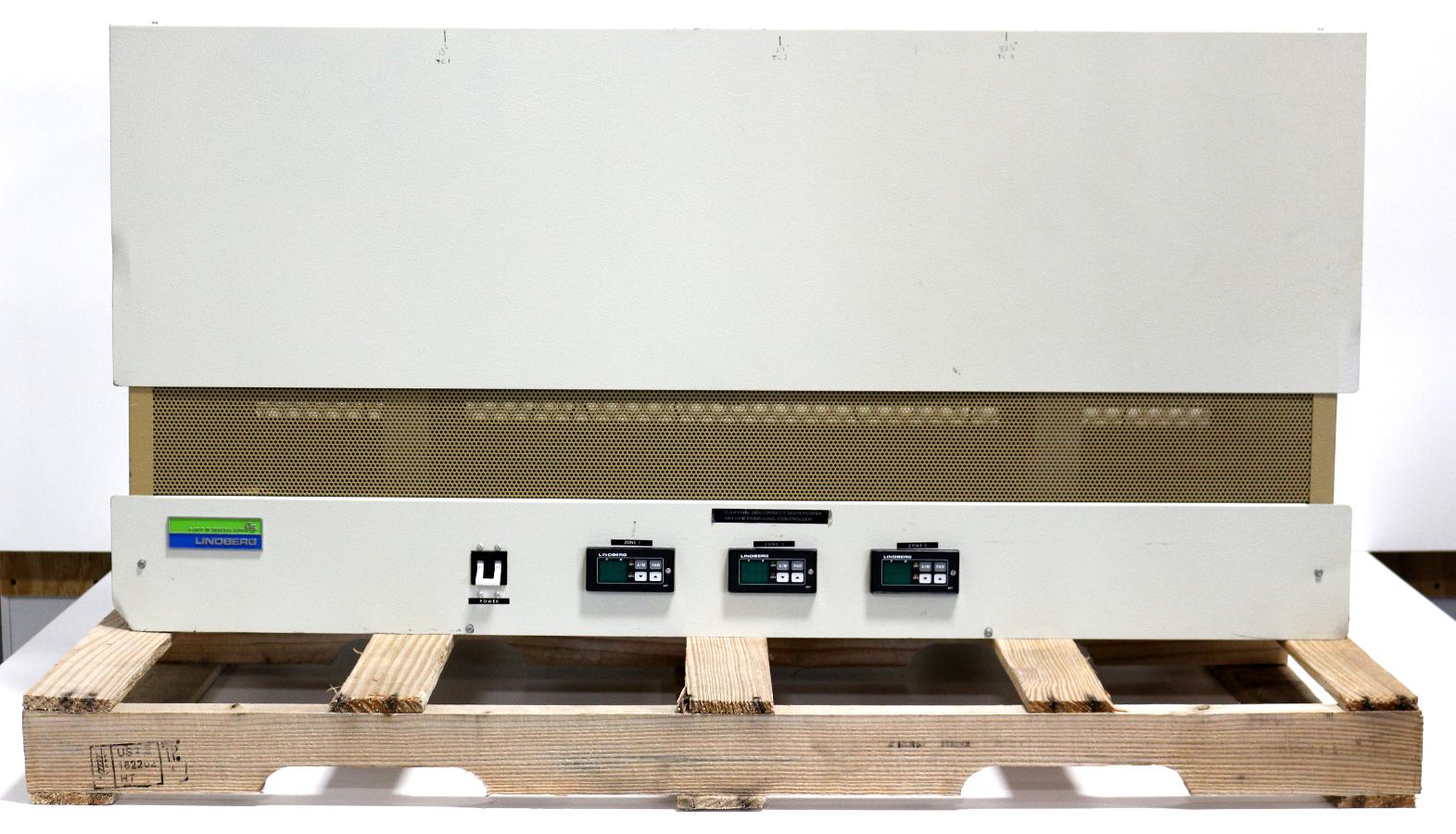
LINDBERG TUBE FURNACE 1200 C
Split Hinge Tube Furnace with Retort Watlow controller with profiling ramp
-
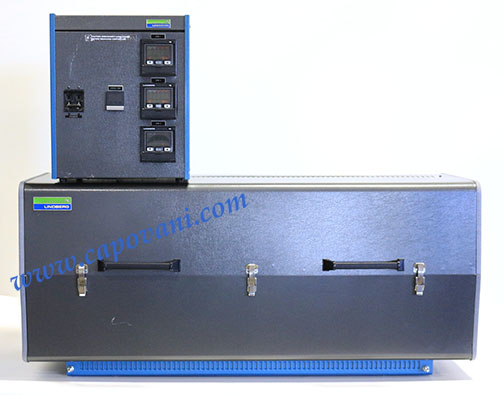
LINDBERG TUBE FURNACE 1200°C
Split Hinge Tube Furnace w/Programmable Controls
Optional Single End Quartz Retort Available, See details below.
-
-
-
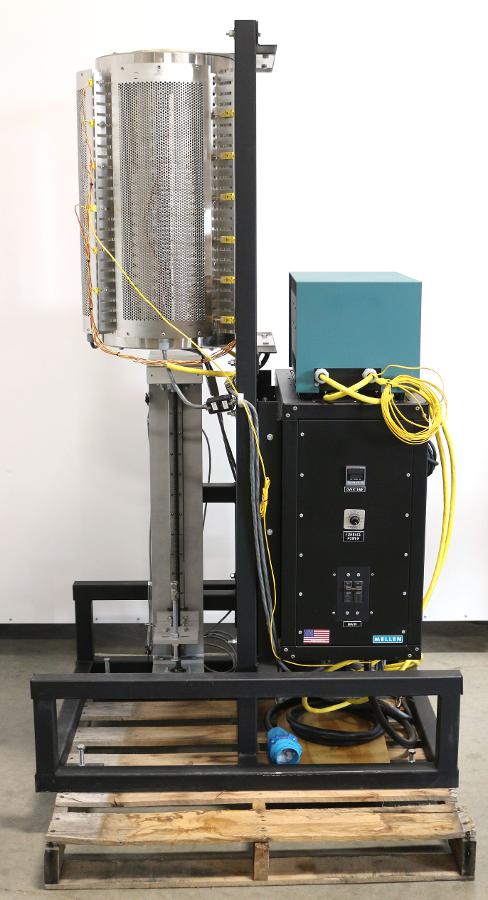
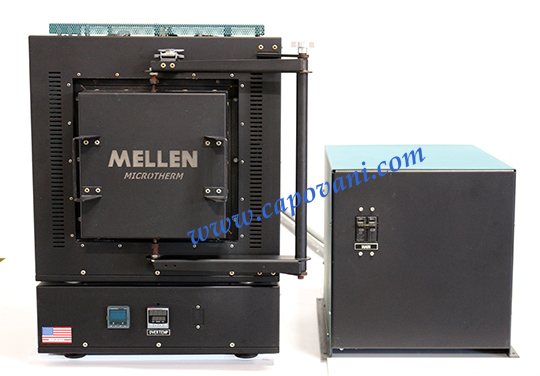
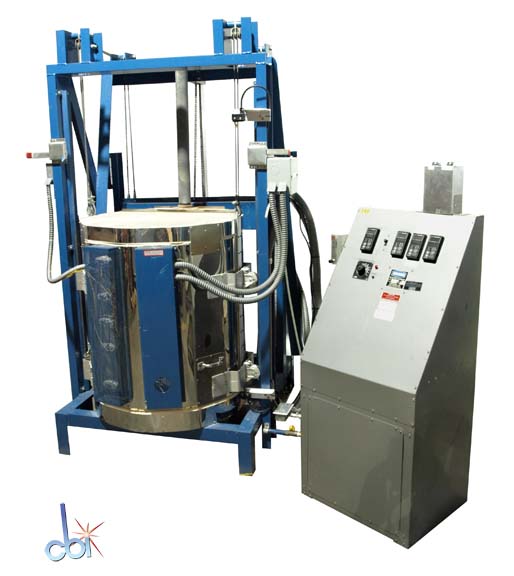
MELLEN EDG CRYSTAL GROWTH FURNACE 4"D x 24"L
EDG Electro Dynamic Graident Precisison Tube Furnace with Linear Translation Drive System
-
-
-
-
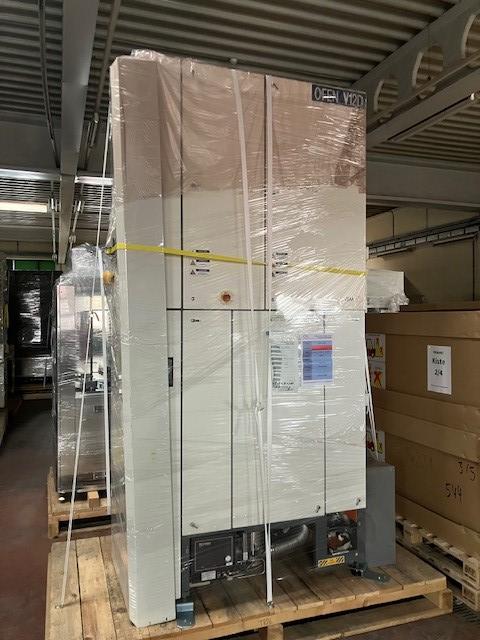
ASM Furnace Vertical - OFENV12D
OFENV12D Furnace with 2 Tubes
1x Reactor Dot. Poly Low Pressure
1x Reactor Atmosphere WET-OXID
-
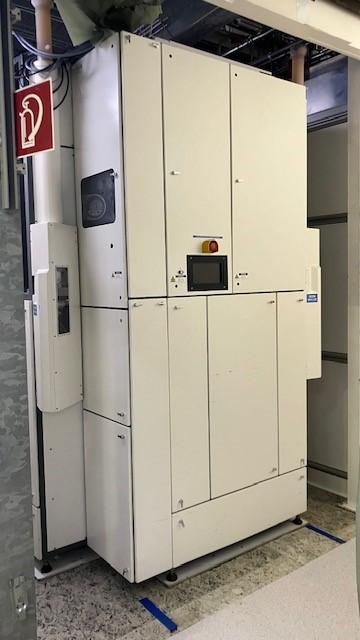
ASM Furnace Vertical OFENV07C
ASM Furnace Vertical
2 Reactor atmospheric
Reactor 1 is missing heater cassette, Motor driver, Board and loader arm
-
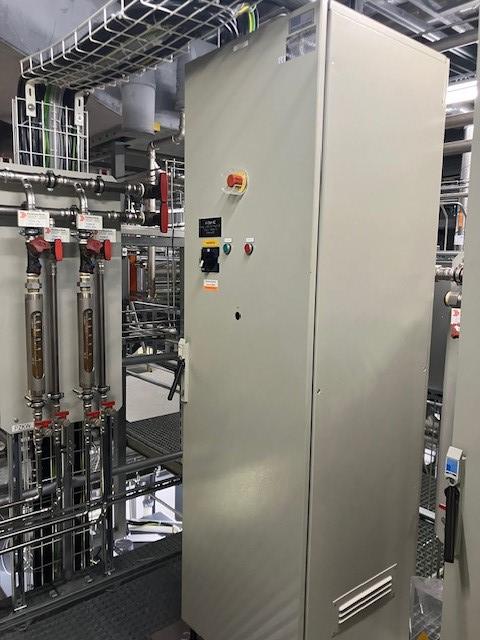
ASM Furnace Advance - OFENV06C
ASM Furnace Vertical - Advance 400
2 Reactors atmospheric
Popular Manufacturers
Common Applications
material testing
thermal processing
heat treatment
metallurgical studies
ceramic production
chemical synthesis
Frequently Asked Questions
What is the maximum temperature a furnace can achieve?
Many advanced furnaces can reach temperatures up to 1700°C, suitable for extreme heating applications.
What types of furnaces are available?
Common types include box furnaces, controlled atmosphere furnaces, and high-temperature tube furnaces, each designed for specific applications and thermal processes.
How is temperature controlled in these furnaces?
Temperature is controlled using precise electronic systems that ensure uniform heat distribution and stability within the set operating range.
What are ceramic process tubes used for?
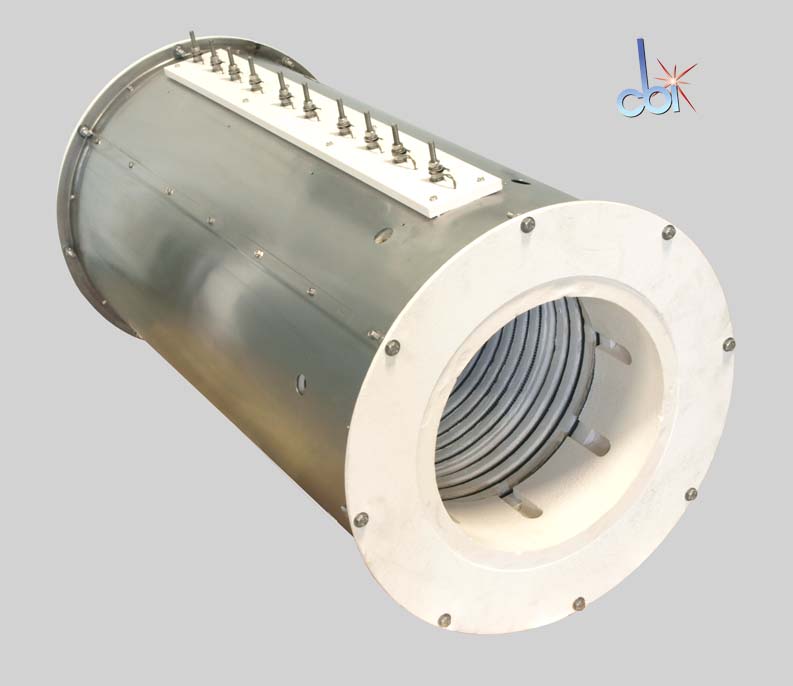
Ceramic process tubes are used in tube furnaces to contain and protect samples during high-temperature processes, providing thermal insulation and chemical resistance.
Log in with your username/email address