
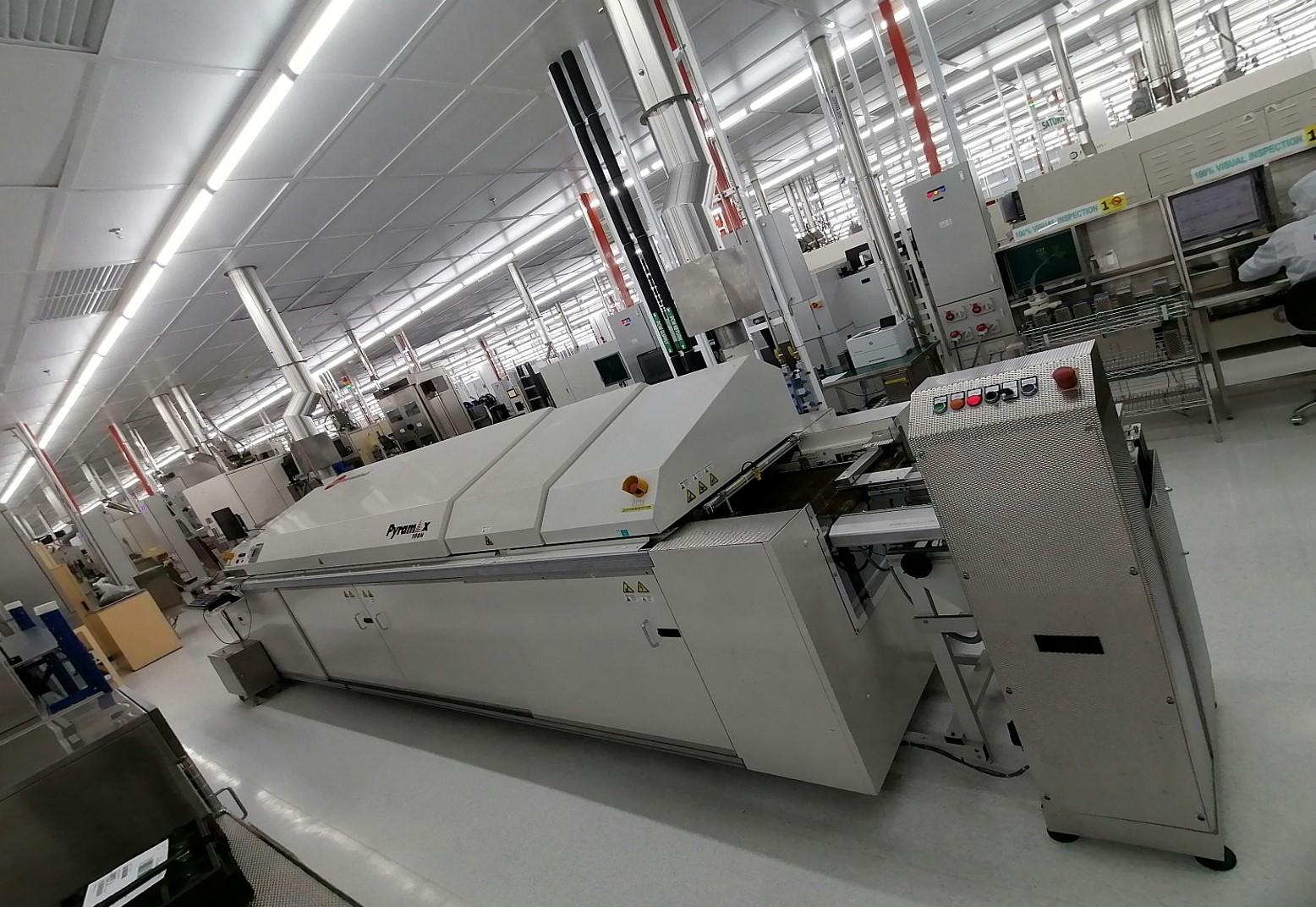
Material Handling Equipment
Material handling equipment is designed to efficiently move, store, and manage products in industrial settings. It offers capabilities like precise load control, optimized workflows, and safety features, ensuring reliable operation under various capacity and environmental conditions.
-
-
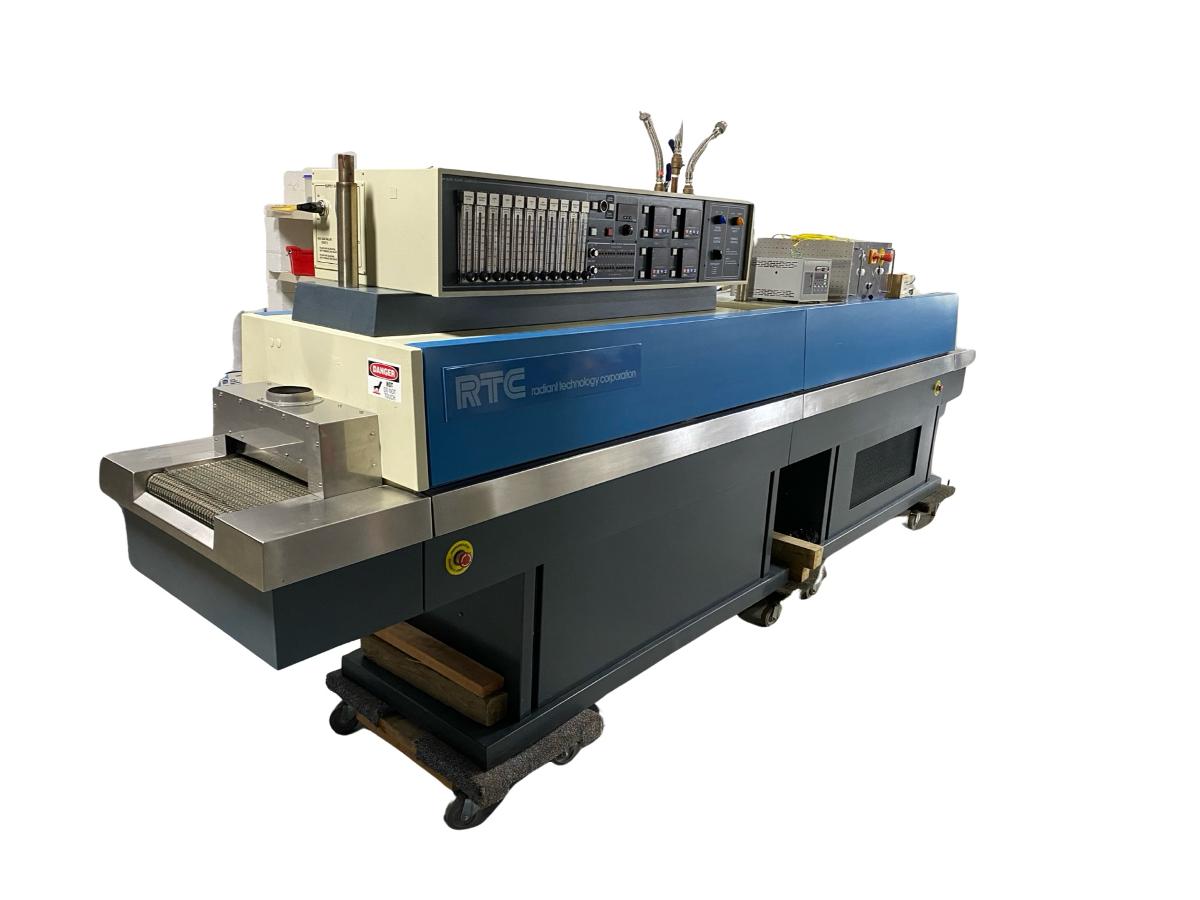
RADIANT TECHNOLOGY FURNACEPROS INFRARED BELT FURNACE 960 C
Remanufactured by FurnacePros in 2016
Popular Manufacturers
Common Applications
warehousing
manufacturing plants
distribution centers
logistics operations
automotive industry
construction sites
Frequently Asked Questions
What types of material handling equipment are available?
Common types include conveyors, forklifts, pallet jacks, cranes, and automated guided vehicles, catering to diverse industrial needs.
How do I choose the right material handling equipment?
Consider factors such as load capacity, maneuverability, operating environment, and safety features to meet specific application requirements.
What are the key benefits of using material handling equipment?
Benefits include improved efficiency, reduced manual labor, enhanced workplace safety, and optimized workflow management.
Can material handling equipment be customized?
Yes, many types of equipment can be customized with features like adjustable speeds, specialized attachments, and automation to fit specific operational needs.
Log in with your username/email address