Process Ovens

Process ovens are used for controlled thermal processing in industrial and laboratory environments, ensuring precise temperature management for consistent results. They support applications requiring specific temperature profiles, uniformity, and repeatability, with key specifications such as temperature ranges up to 350°C and precise control systems.

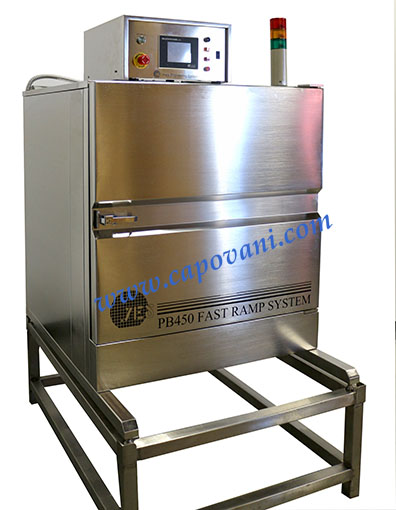
  1. YIELD ENGINEERING SYSTEMS POLYIMIDE BAKE CURE OVEN

    Other Ovens

    YIELD ENGINEERING SYSTEMS POLYIMIDE BAKE CURE OVEN

    Fast Ramp High Temperature Vacuum Cure Oven/Polyimide Bake Oven
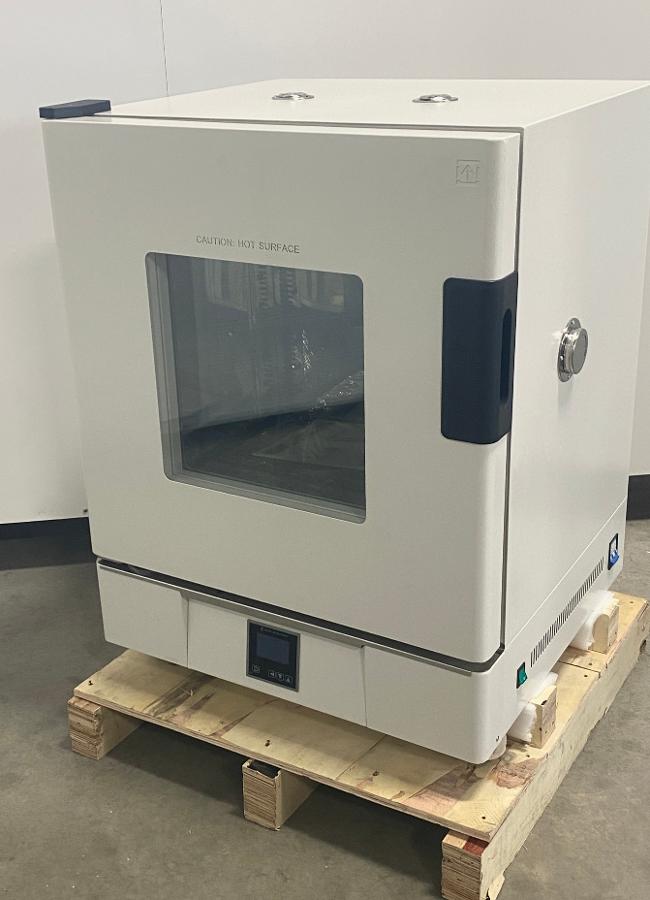
    Make: Yield Engineerng Sys

    Model: YES-450PB8-2P-FR

    1 unit @ Best Price

  2. YIELD ENGINEERING HMDS VAPOR PRIME OVEN

    Other Ovens

    YIELD ENGINEERING HMDS VAPOR PRIME OVEN

    HDMS Vapor Prime Oven

  3. HMDS FLASK ASSEMBLY REPLACEMENT FOR YIELD ENGINEERING OVENS

    Other Ovens

    HMDS FLASK ASSEMBLY REPLACEMENT FOR YIELD ENGINEERING OVENS

    HMDS Flask Assembly Direct Replacement

    Make: Capovani Brother Inc

    Model: YES HMDS Flask Replacement

    3 units @ Best Price

  4. YIELD ENGINEERING VACUUM BAKE/VAPOR PRIME OVEN 200ºC

    Other Ovens

    YIELD ENGINEERING VACUUM BAKE/VAPOR PRIME OVEN 200ºC

    Vacuum Bake/Vapor Prime Oven This processing system combines ultimate dehydration with HMDS priming.This cost effective system reduces HMDS consumption by 95% or more comparedwith conventional spray or flood prime processes.

    Make: Yield Engineerng Sys

    Model: YES-6112R

    1 unit @ Best Price

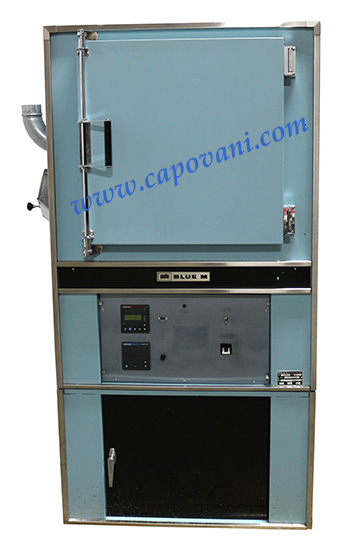
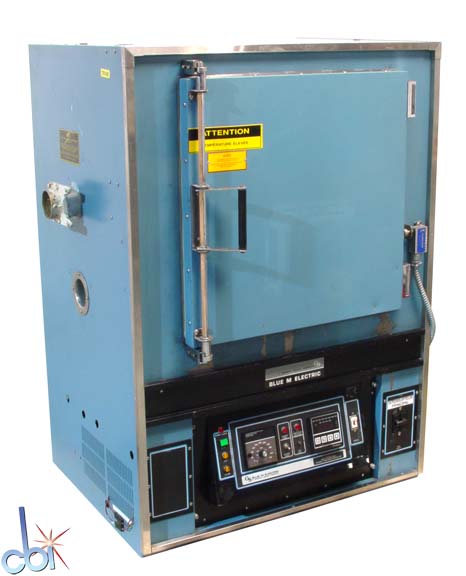
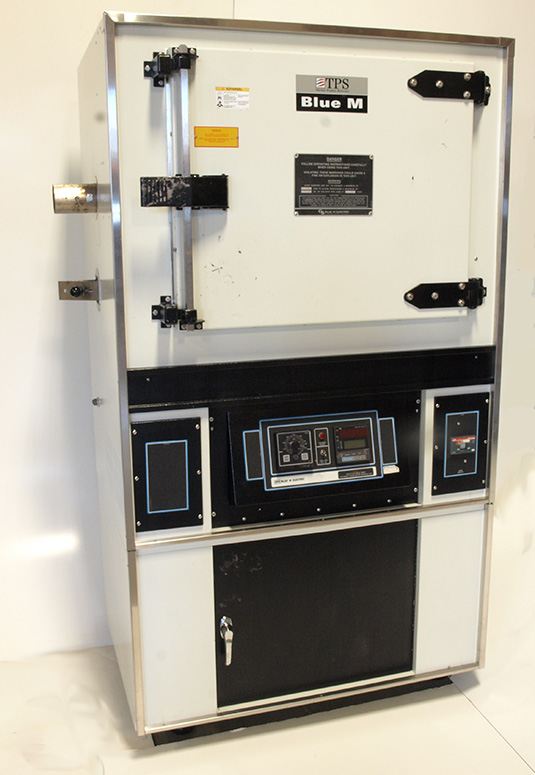
  5. BLUE M CLASS A VOLATILE OVEN 316C

    Other Ovens

    BLUE M CLASS A VOLATILE OVEN 316C

    Class A Volatile Oven

  6. MANNCORP BENCH TOP SOLDER REFLOW OVEN

    Other Ovens

    MANNCORP BENCH TOP SOLDER REFLOW OVEN

    Solder Reflow Oven -- Like New Condition.

Common Applications

industrial thermal processing

laboratory testing

material preheating

component curing

annealing

heat treatment

Buying Guide

Process Ovens Buying Guide

When selecting a process oven, it's crucial to consider several key performance factors to ensure it meets your specific needs. The first aspect to understand is the type of convection used, as gravity convection and mechanical convection each offer different benefits depending on uniformity requirements.

The temperature range and stability are vital in achieving precise thermal processing. Ensure that the oven offers consistent performance at the desired temperature range, typically up to 350°C for most applications.

  • Verify the temperature control precision to ensure repeatability and accuracy.
  • Consider the oven's capacity and internal dimensions to accommodate your application needs.
  • Examine the uniformity of temperature distribution for consistent processing results.
  • Check compatibility with relevant safety and energy standards to ensure compliance and efficiency.

Frequently Asked Questions

What are the typical temperature ranges for process ovens?
Process ovens commonly have temperature ranges from ambient to 350°C, suitable for various thermal processing needs.
How do gravity and mechanical convection ovens differ?
Gravity convection ovens rely on natural air movement for heat distribution, while mechanical convection ovens use fans to circulate air, providing more uniform temperature control.
What are the benefits of a process oven with precise temperature control?
Precise temperature control in process ovens ensures repeatability and accuracy in applications requiring specific thermal profiles, enhancing the consistency and quality of results.
Which brands offer reliable process ovens on this marketplace?
Brands such as VWR Scientific, Yamato, and Blue M offer reliable process ovens with documented specifications and temperature control capabilities on this marketplace.