
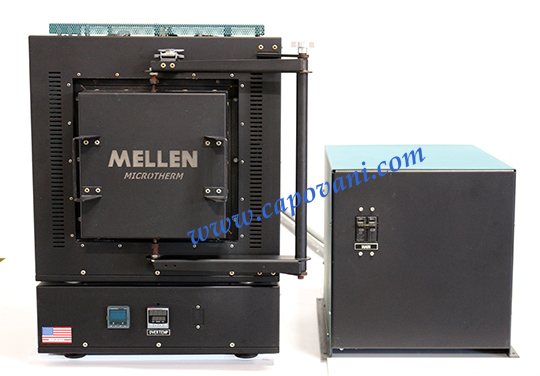
Thermal Systems
Thermal systems are essential for maintaining and controlling temperature conditions across various laboratory applications. They provide precise temperature regulation with capabilities ranging from ambient to 350°C, supporting consistent measurement accuracy and reliability.
-
-
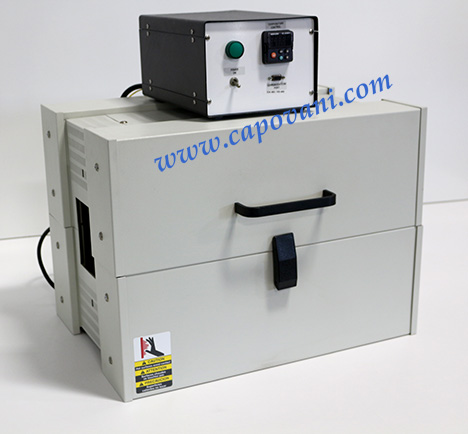
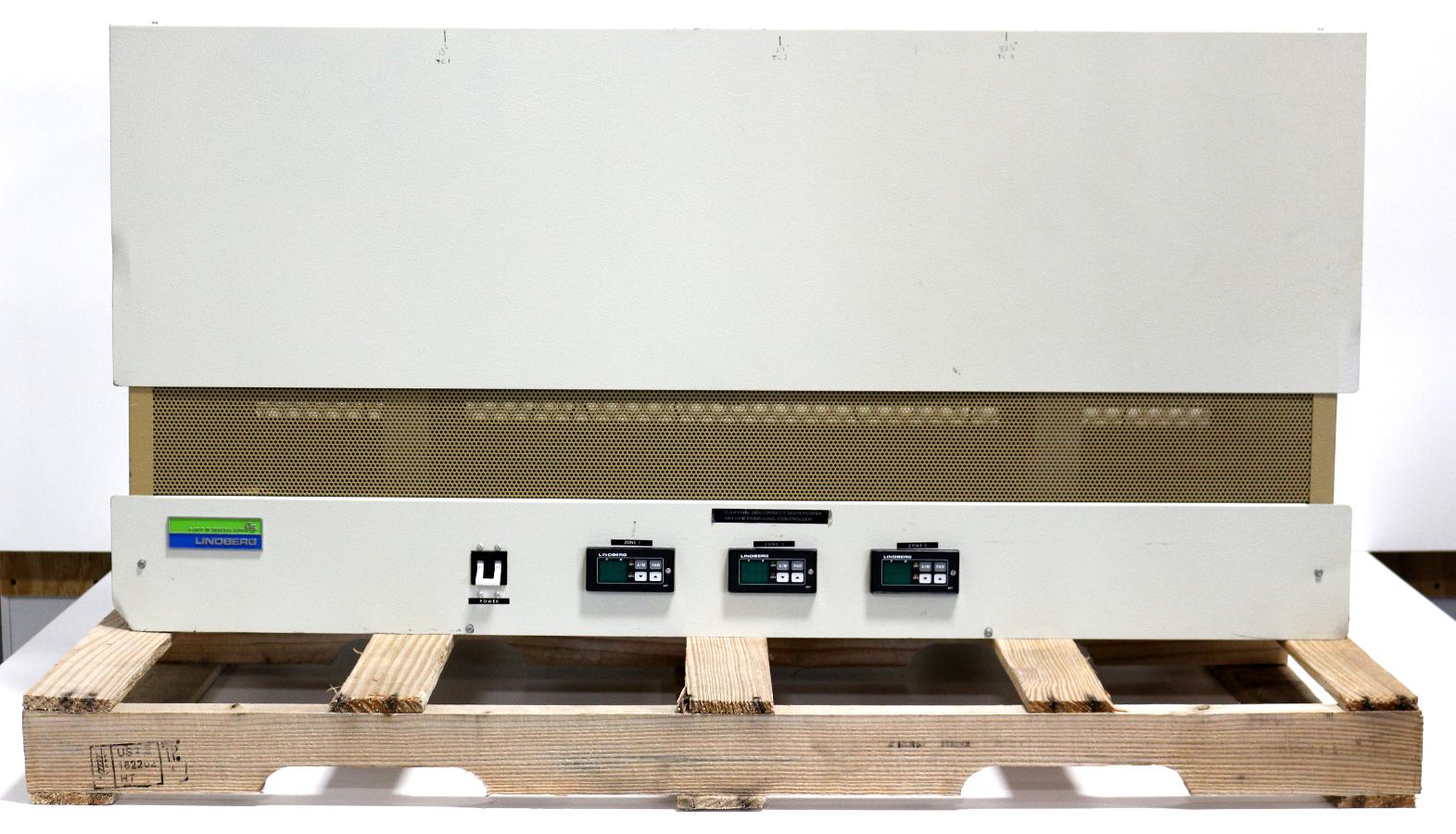
LINDBERG TUBE FURNACE 1200 C
Split Hinge Tube Furnace with Retort Watlow controller with profiling ramp
-
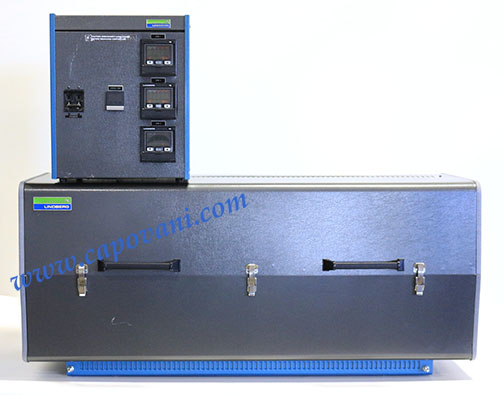
LINDBERG TUBE FURNACE 1200°C
Split Hinge Tube Furnace w/Programmable Controls
Optional Single End Quartz Retort Available, See details below.
-
-
-
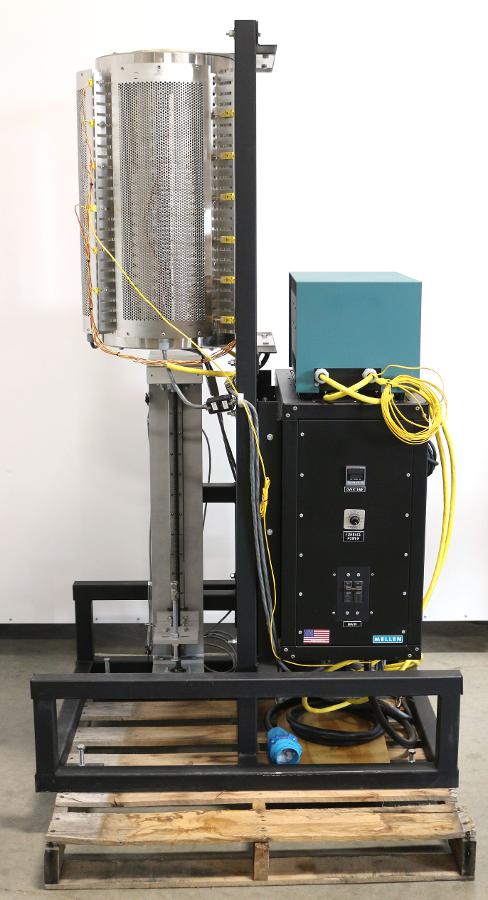
MELLEN EDG CRYSTAL GROWTH FURNACE 4"D x 24"L
EDG Electro Dynamic Graident Precisison Tube Furnace with Linear Translation Drive System
-
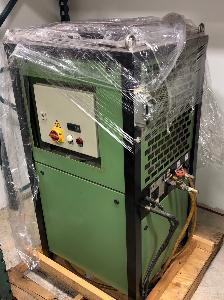
Hyfra 5820W Air-Cooled Water Chiller
- Hyfra is a subsidiary of Lennox International Inc. which is based in Richardson, TX.
- This rugged chiller was specified for use with a Coborn PL4 diamond polishing bench. Other uses should be possible.
- On-site testing at Cline Innovations should be possible, if warranted.
-
-
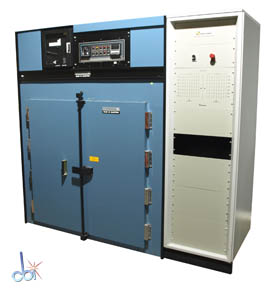
-
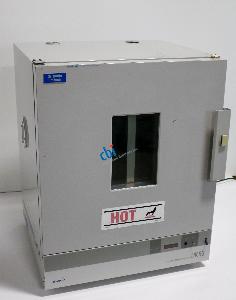
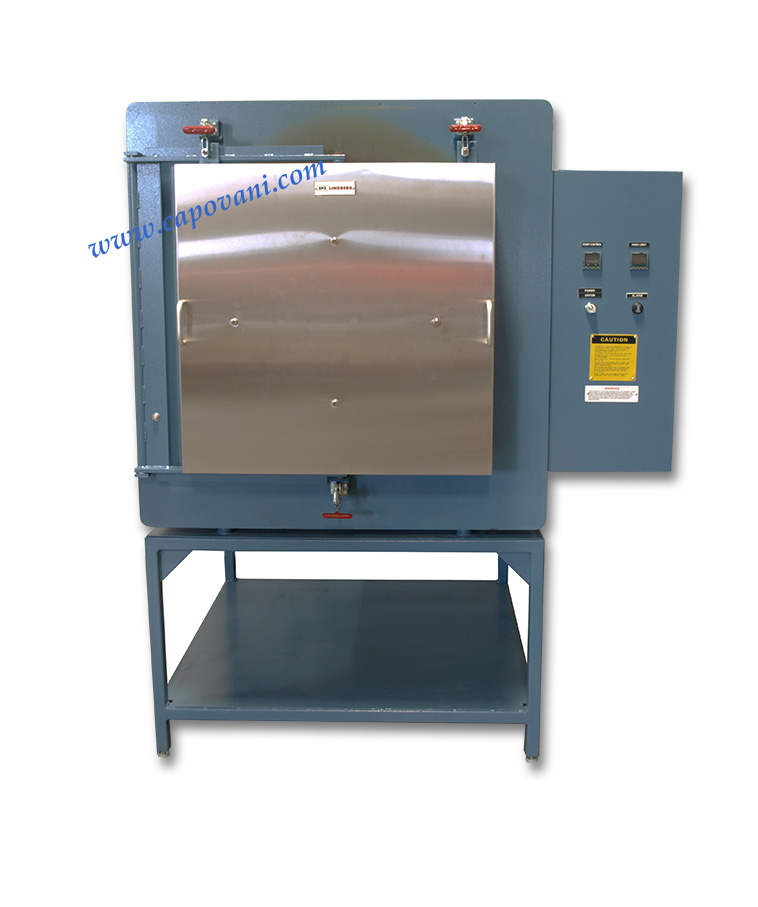
BAXTER MECHANICAL CONVECTION OVEN 5 CUFT 210C
Mechanical Convection Oven
-
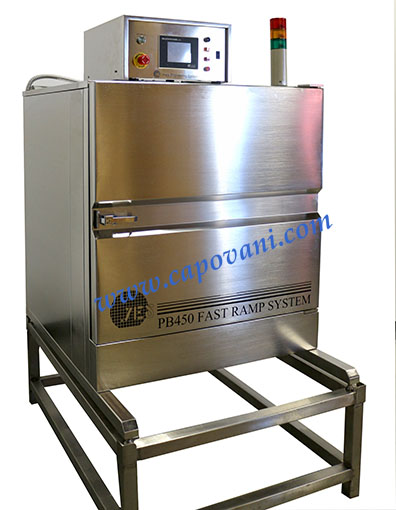
YIELD ENGINEERING SYSTEMS POLYIMIDE BAKE CURE OVEN
Fast Ramp High Temperature Vacuum Cure Oven/Polyimide Bake Oven
-
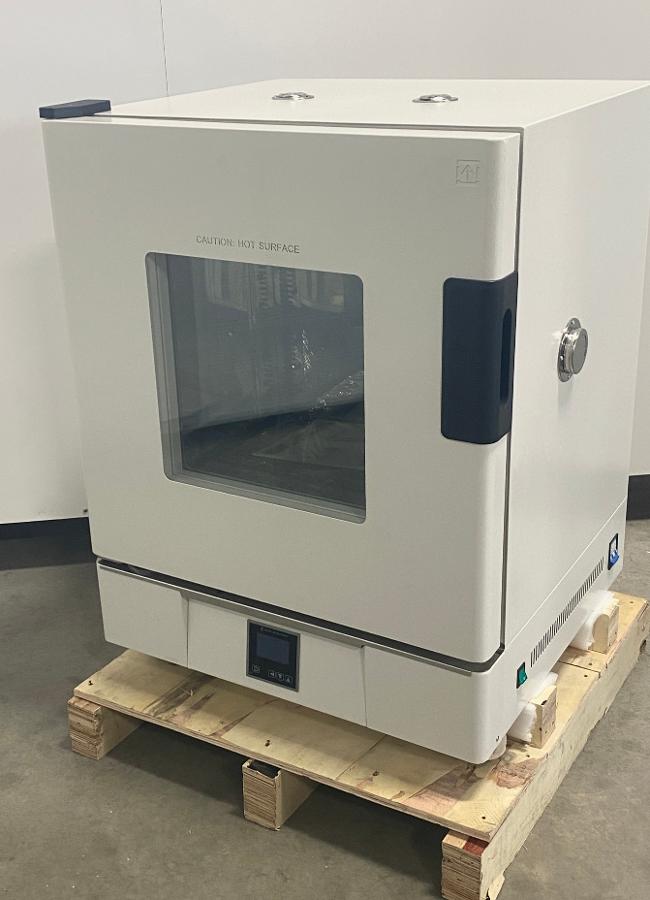
ACROSS INTERNATIONAL MECHANICAL CONVECTION OVEN, 4.8 CUFT 250C
Mechanical Convection Oven
New condition
Popular Manufacturers
Common Applications
Sample drying
Thermal testing
Material processing
Controlled heating experiments
Frequently Asked Questions
What types of thermal systems are available?
Available types include gravity convection ovens, drying ovens, mechanical convection ovens, and batch forced convection ovens.
What is the temperature range of these thermal systems?
Thermal systems typically offer temperature ranges from ambient up to 350°C, depending on the specific model.
How do mechanical convection ovens differ from gravity convection ovens?
Mechanical convection ovens use fans to circulate air, ensuring uniform temperature distribution, while gravity convection ovens rely on natural airflow.
What applications are thermal systems suitable for?
Thermal systems are ideal for applications requiring controlled heating, such as sample drying, thermal testing, and material processing.
Log in with your username/email address