Switchgear

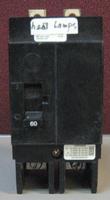
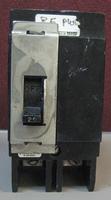
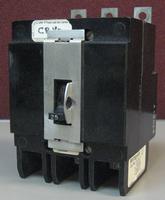
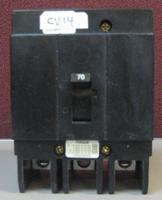
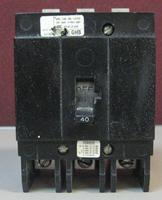
Switchgear is an essential component in electrical systems, designed to manage, protect, and isolate electrical equipment. These systems ensure safe operation and power distribution with specifications like operating voltages up to 600V, amperage ratings such as 60A to 150A, and support for various phase configurations.
Common Applications

Power Distribution

Electrical Isolation

System Protection

Voltage Control

Infrastructure Safety

Buying Guide

Switchgear Buying Guide

Selecting the right switchgear is crucial to ensure the safety and efficiency of your electrical systems. It's important to evaluate the specific requirements of your application and the technical specifications of the equipment.

Consider the following aspects when choosing switchgear:

  • Verify the voltage and amperage ratings match your system needs, such as 60A-150A and up to 600V.
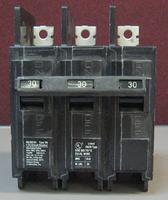
  • Ensure compatibility with your system's phase configuration, whether 2-pole or 3-pole.
  • Assess the switchgear's capability for fault current interruption to enhance safety.
  • Consider the operational environment, ensuring the switchgear is suitable for local conditions and regulations.

Frequently Asked Questions

What are the main functions of switchgear?
Switchgear protects, controls, and isolates electrical equipment to ensure safe and efficient power distribution.
What voltage levels are supported by switchgear?
Switchgear can handle various voltage levels, with common ratings including 120/240V and 480V setups.
Do switchgear systems support different phase configurations?
Yes, switchgear systems support multiple phase configurations, such as 2-pole and 3-pole designs, to match different electrical requirements.
How does switchgear enhance safety in electrical systems?
Switchgear enhances safety by interrupting fault currents, providing isolation during maintenance, and preventing system overloads.