
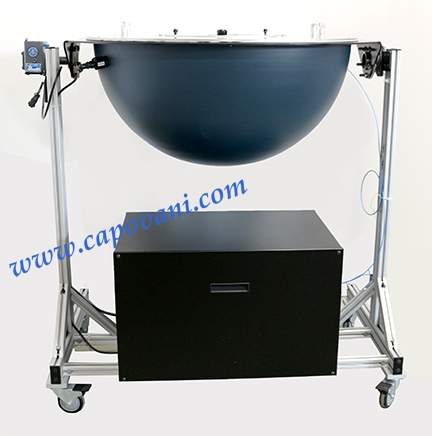
Photonics Instruments
Photonics instruments are essential tools for harnessing light-based technologies to perform precise measurement and analysis in various scientific fields. These instruments support high-resolution optical measurements, featuring operating wavelengths from ultraviolet (250nm) to visible light (up to 500nm), and are integral in ensuring traceable measurement accuracy in research and quality control applications.
-
-
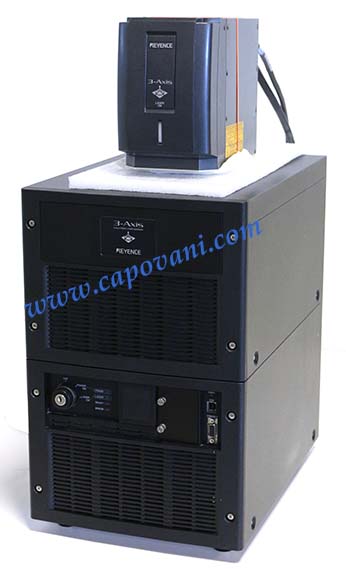
KEYENCE HIGH POWER FIBER LASER MARKER 30W
Fiber Laser Marker
The optimum fiber laser marker solution for black-color marking and engraving on metal where a high output power is required
-
-
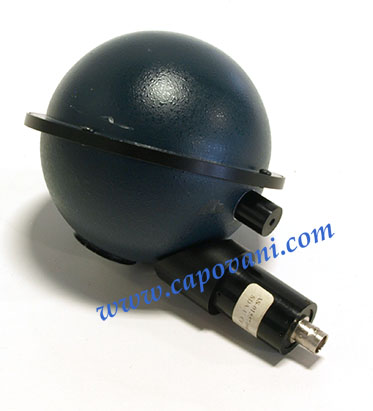
LABSPHERE INTEGRATING SPHERE, 4" DIAMETER
4" Integrating Sphere with AS-01557-000 SDA-U CE Detector
-
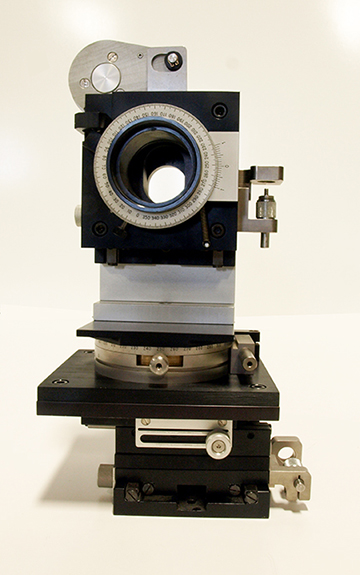
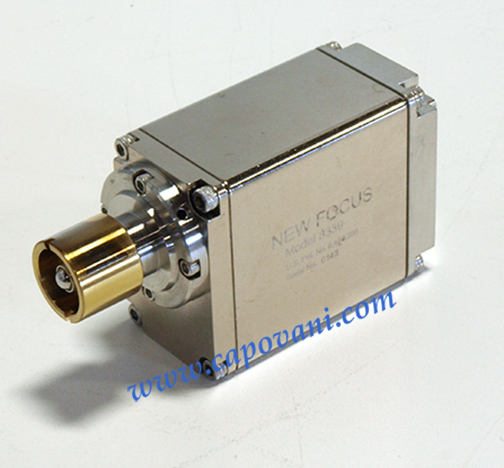
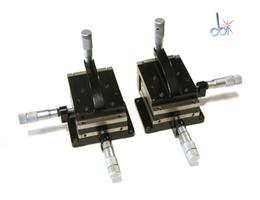
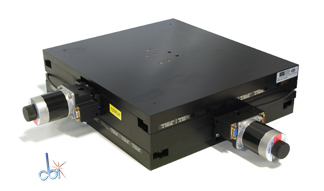
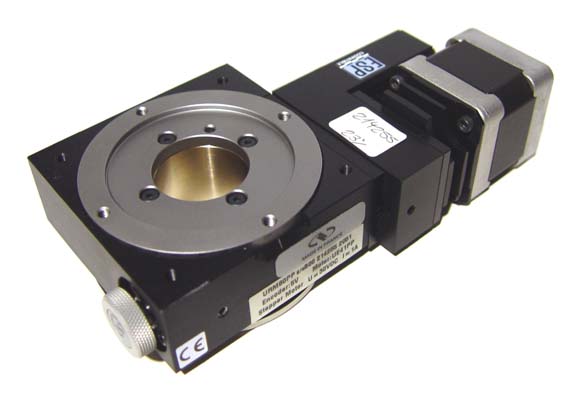
BURLEIGH XYZ ROTARY WITH Z AXIS BALANCED ROTARY STAGE
XYZ Rotary With Z Axis Balanced Rotary Stage
-
-
-
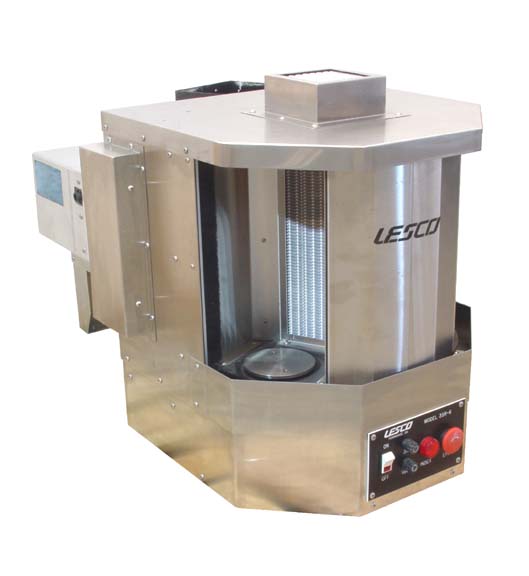
LESCO THREE STATION ROTATING UV CURING SYSTEM
Three Station Rotating UV Curing System
Lesco 3SR-6
Lesco acquired by American Ultraviolet
-
-
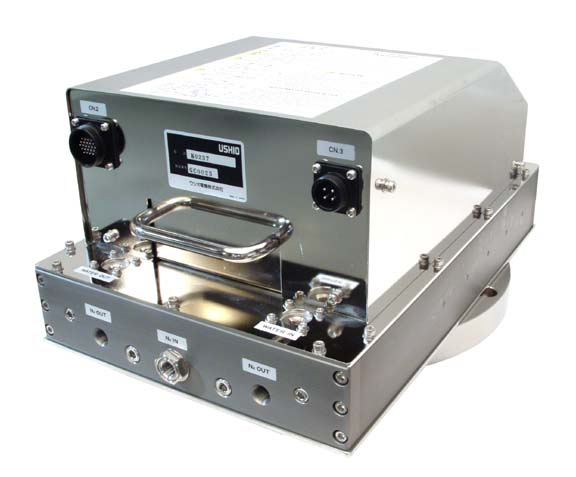
USHIO SUS 55
Excimer VUV/03 Cleaning Unit UV Cleaning
Applications:
- Enhancement of wetability and adhesion of photoresist
- Enhancement of wetability of SOG
- Cleaning before deposition process
- Soft ashing
- High-speed removal of static electricity
- Cleaning of reticles Features:
- Simple dry cleaning allows removal of most of organic matter
- No charging damage
- Instantaneous on/off operation suited to single-wafer process
- Low-temperature process
- Cleaning process can be performed under atmospheric air
-
-
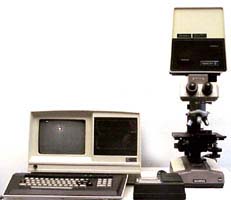
NANOMETRICS CRITICAL DIMENSION COMPUTER
Critical Dimension Computer
Large memory digital computer calculates line widths and provides statistics on in process wafer and photomasks.
Popular Manufacturers
Common Applications
UV curing
Optical measurement
Scientific research
Quality control
Industrial processing
Laboratory analysis
Frequently Asked Questions
What is the typical wavelength range for UV curing systems?
UV curing systems commonly operate within a wavelength range of 250nm to 450nm, providing efficient curing capabilities for various applications.
What specifications should I consider for arc lamp housings?
When selecting an arc lamp housing, consider the power rating, cooling mechanism, and compatibility with different bulb types to ensure optimal performance.
How do curing lamps enhance the photonics capabilities?
Curing lamps, operating between 320nm and 500nm, provide intense light exposure essential for rapid curing processes in industrial and laboratory settings.
What are the benefits of using a high-intensity spot curing system?
High-intensity spot curing systems deliver focused UV light energy, enabling precise and rapid curing of adhesives, coatings, and inks with enhanced control over curing depth and area.
Log in with your username/email address