
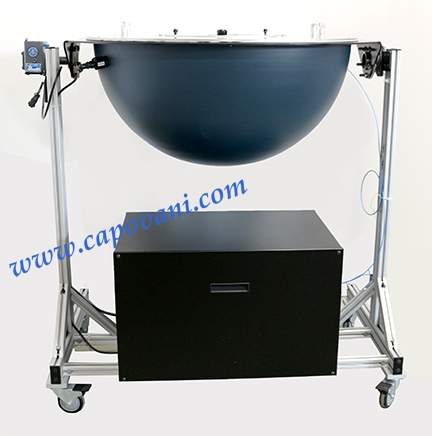
Optical Instruments
Optical instruments are designed to measure light properties and enhance visibility in various scientific applications. These instruments support precision measurement with integrated calibration systems, ensuring high resolution and traceability in environments with specified operating ranges and optical geometries.
-
-
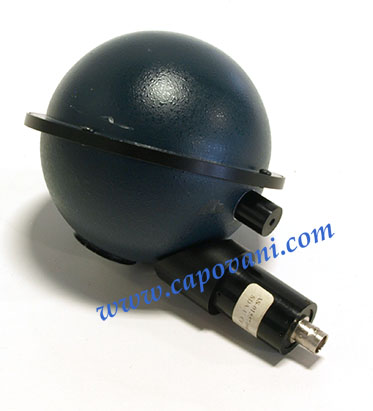
LABSPHERE INTEGRATING SPHERE, 4" DIAMETER
4" Integrating Sphere with AS-01557-000 SDA-U CE Detector
-
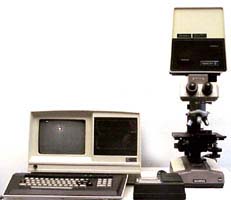
NANOMETRICS CRITICAL DIMENSION COMPUTER
Critical Dimension Computer
Large memory digital computer calculates line widths and provides statistics on in process wafer and photomasks.
-
-
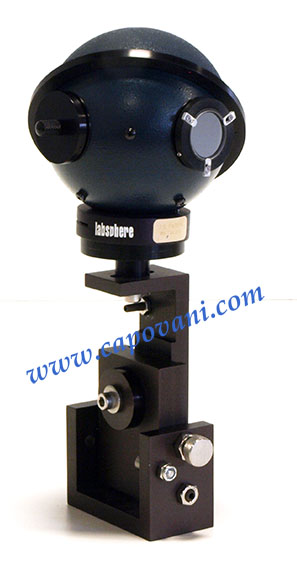
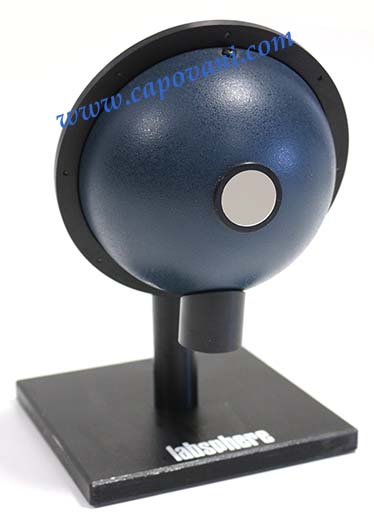
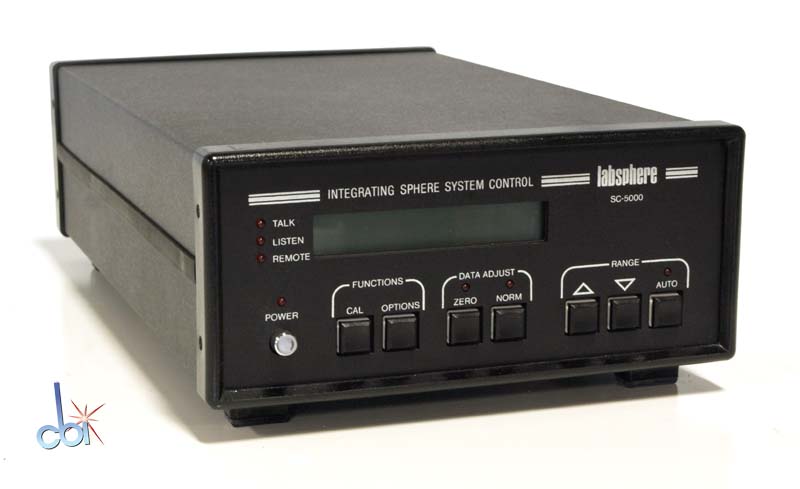
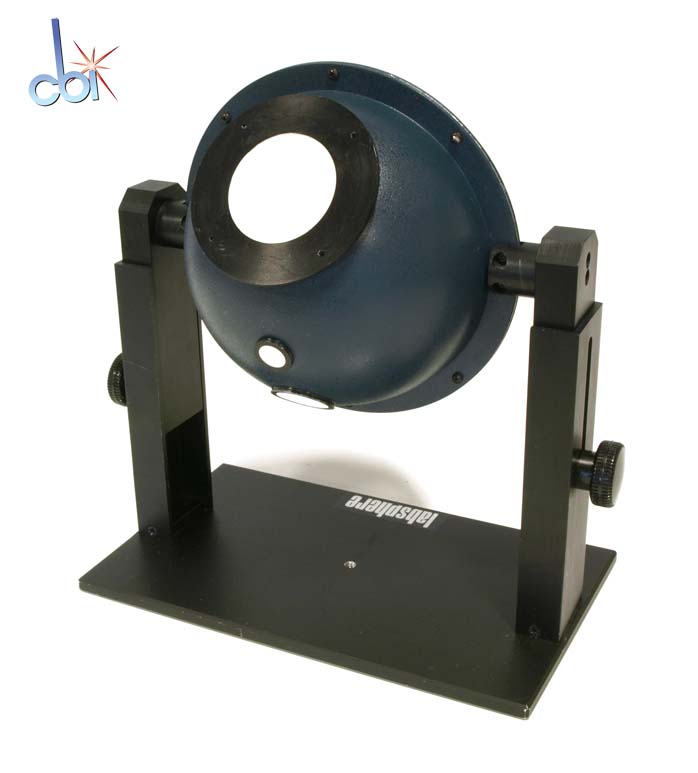
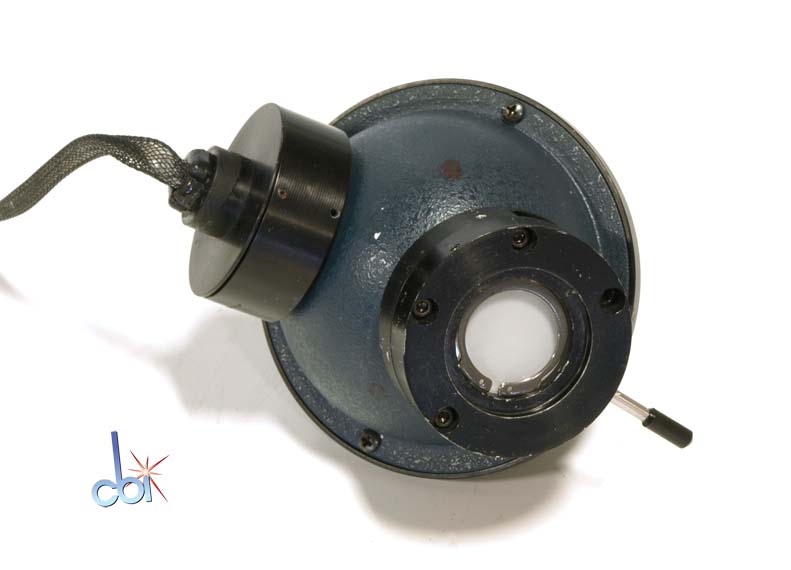
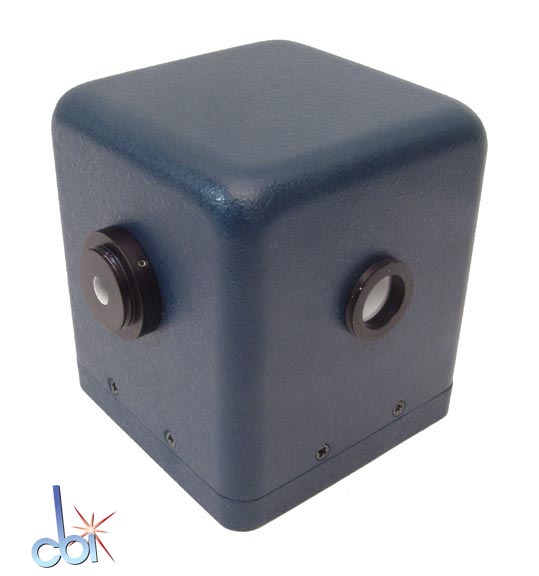
LABSPHERE INTEGRATING SPHERE, 4" DIAMETER
4" Integrating Sphere on tilting stand.
Model number unknown. Possibly a custom AdaptaSphere Series sphere. See detailed photos.
-
-
-
-
-
Popular Manufacturers
Common Applications
Light Measurement
Calibration Systems
Laboratory Testing
Research Development
Frequently Asked Questions
What are integrating spheres used for?
Integrating spheres are used to measure the total flux of light sources, providing accurate and uniform light distribution for various calibration and testing applications.
How do optical instruments achieve high precision?
High precision is achieved through calibrated systems that ensure resolution and repeatability within specified operating ranges and optical geometries.
What specifications should I consider for lamp power supplies?
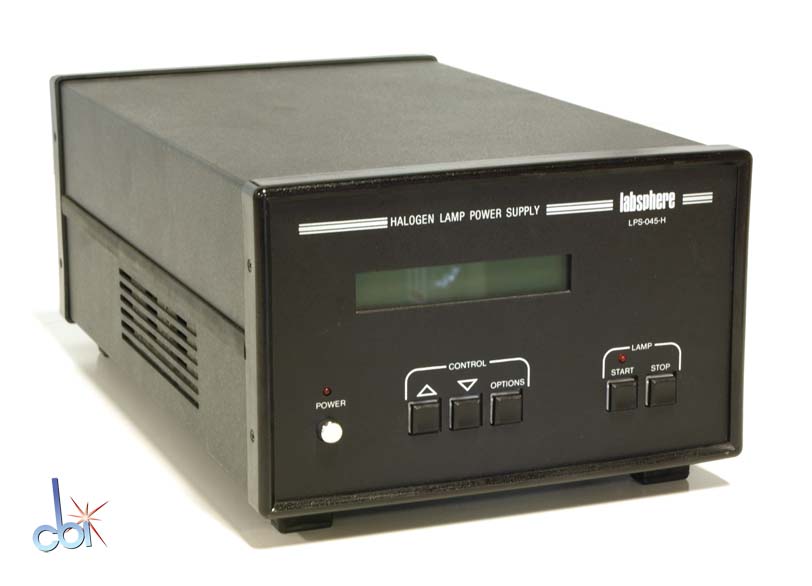
Key specifications for lamp power supplies include voltage and amperage ratings, ensuring compatibility with your optical systems.
Why is calibration important in optical measurement?
Calibration is essential to ensure measurement traceability, accuracy, and compliance with predefined standards, maintaining the reliability of optical measurements.
Log in with your username/email address