
Sterilization Equipment
Sterilization equipment is essential for the decontamination and safe handling of laboratory materials. These instruments offer precise temperature and pressure controls, featuring capabilities such as temperature ranges from ambient to 135°C, pressure ratings up to 3 bar, ensuring reliable sterilization and traceability in laboratory environments.
-
-
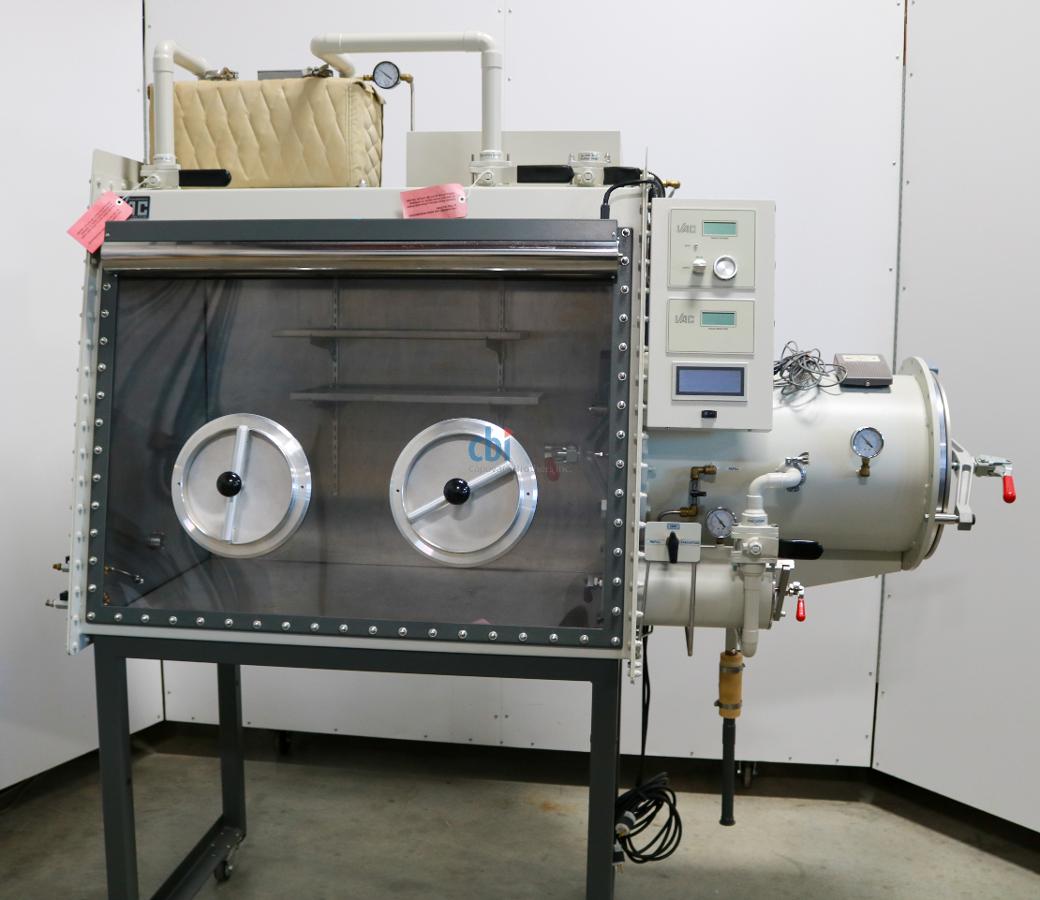
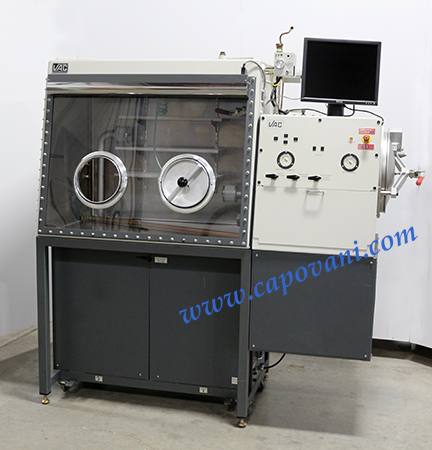
VACUUM ATMOSPHERES SINGLE STATION GLOVEBOX
Glove Box with Integrated Purification System
-
-
-
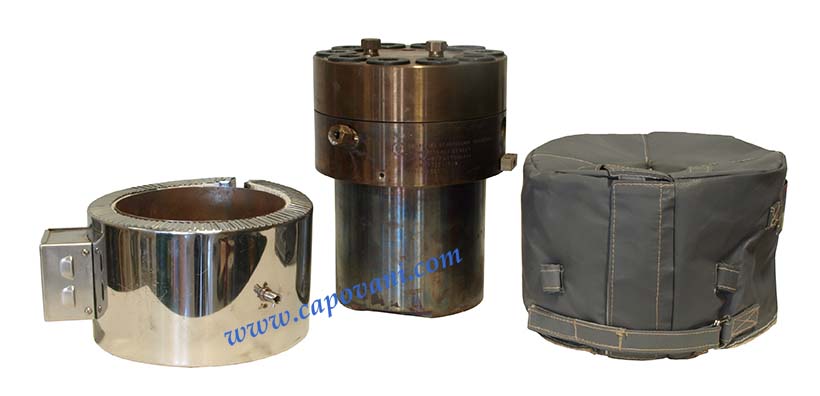
AUTOCLAVE ENGINEERS BOLTED CLOSURE PRESSURE VESSEL, 2 LITER
Bolted Closure Pressure Vessel
-
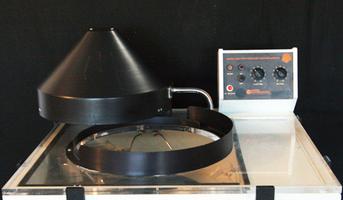
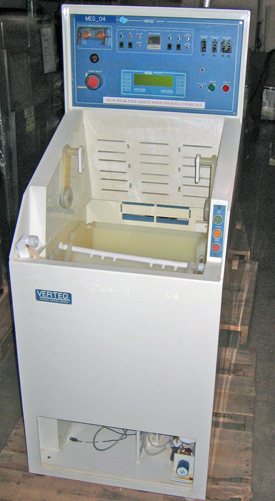
MICROAUTOMATION 2066 Mask/Substrate Cleaner - For Parts Only
Mask/Substrate Cleaner - For Parts Only
-
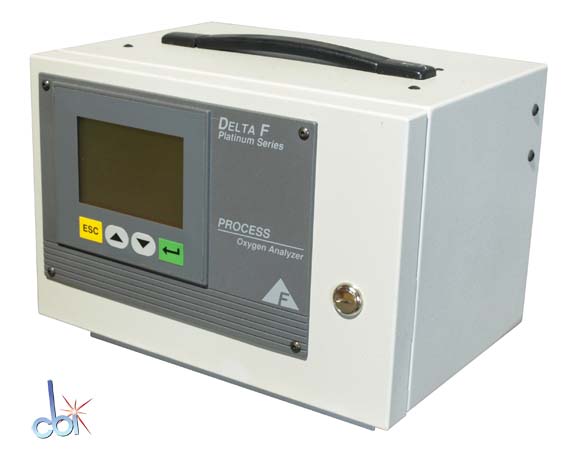
DELTA F CORPORATION FAH0500 Platinum Series PROCESS OXYGEN ANALYZER
Process Oxygen Analyzer
New open box
-
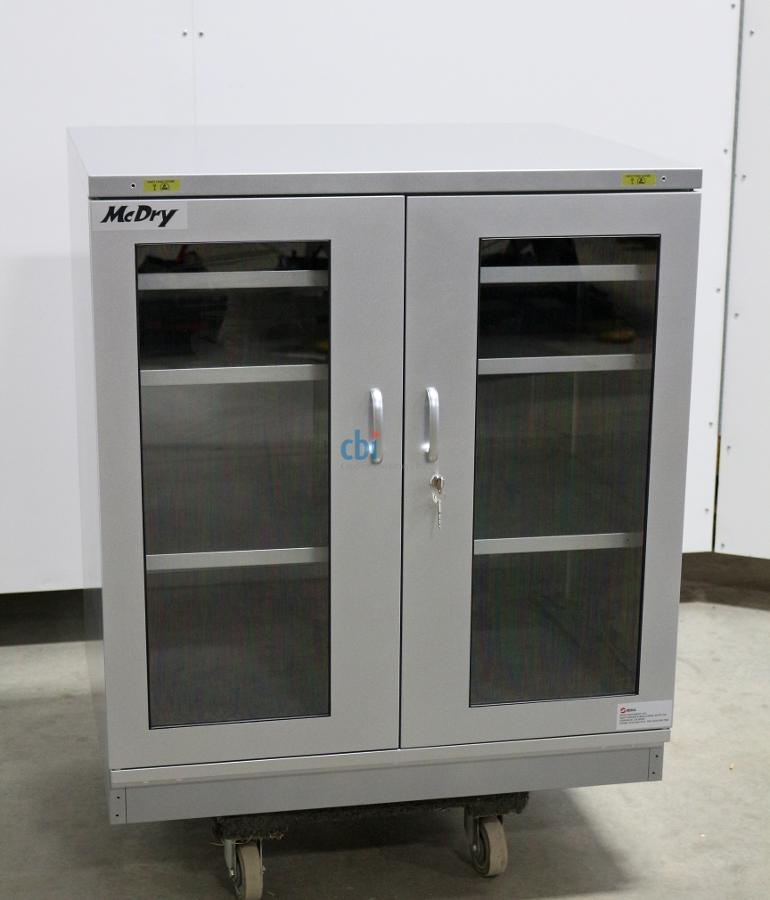
McDRY SEIKA ULTRA LOW HUMIDITY STORAGE CABINET 18.5 CUFT
McDry humidity storage cabinet maintains ultra-low humidity levels under the recommended indefinite safe floor life guideline of dry storage at 5% RH or less.
-
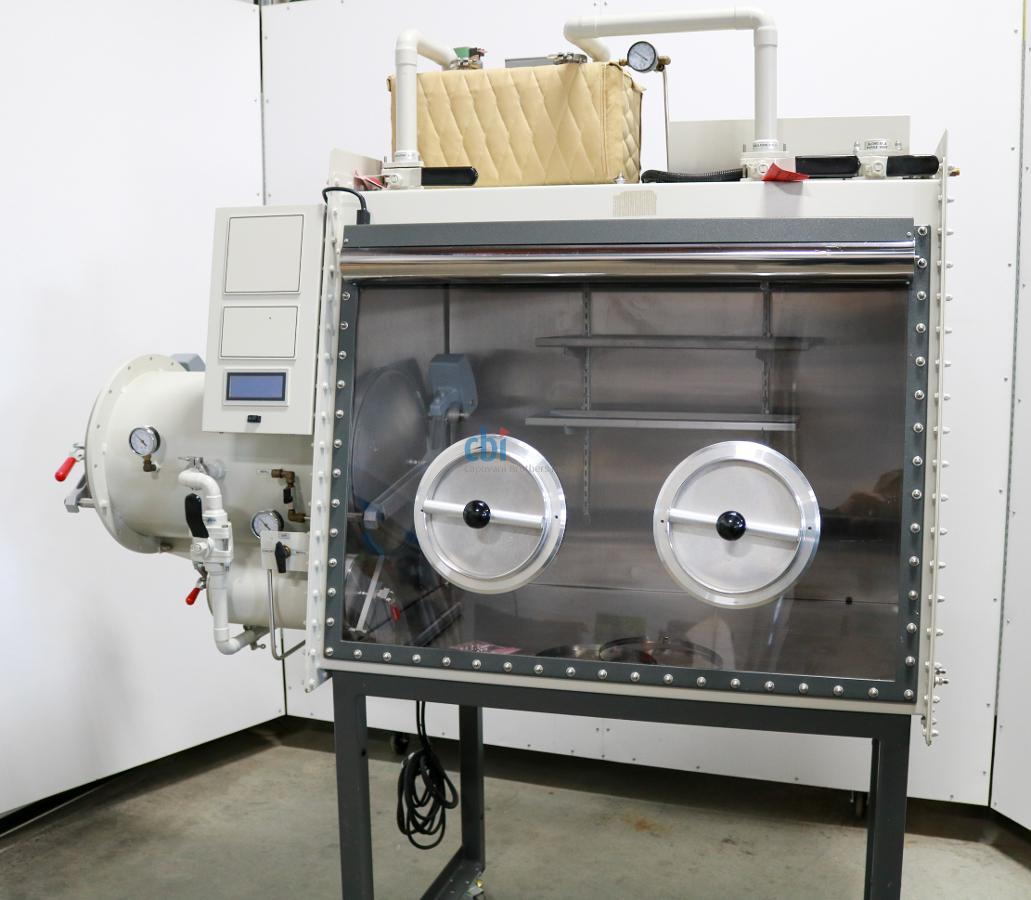
VACUUM ATMOSPHERES SINGLE STATION GLOVEBOX
Glove Box with Integrated Purification System
-
-
-
Popular Manufacturers
Common Applications
laboratory decontamination
research environments
healthcare sterilization
biological research
medical equipment sterilization
pharmaceutical production
Frequently Asked Questions
What types of sterilization equipment are available?
Available types include autoclaves, pressure vessels, and decontamination systems.
What are the key specifications of sterilization equipment?
Key specifications include temperature ranges from ambient to 135°C and pressure ratings up to 3 bar.
How do you ensure the reliability of a sterilization process?
Reliability is ensured through controlled temperature and pressure settings, as well as proper calibration and maintenance.
What industries commonly use sterilization equipment?
Sterilization equipment is commonly used in laboratories, research facilities, and healthcare settings for decontamination.
Log in with your username/email address