

Solenoid Valves
Solenoid valves are electromechanically operated devices used to control the flow of liquids or gases. They provide precise regulation with specifications like voltage levels of 24V to 240V and current ratings suitable for diverse laboratory applications, ensuring high repeatability and accuracy.
-
-
-
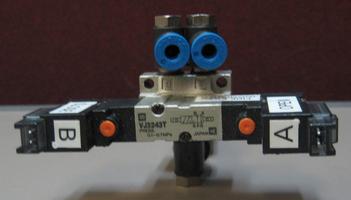
-
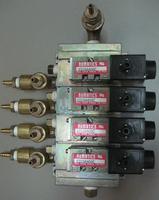
Numatics 031SA400C Solenoid Valve Assy
Numatics 031SA400C Solenoid Valve Assy Solenoid Valve Assy -
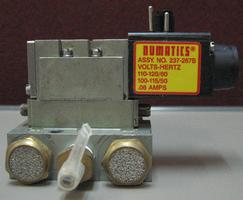
Numatics 237-267B, 031SA400D, 031SA446C Solenoid Valve Assy
Numatics 237-267B, 031SA400D, 031SA446C Solenoid Valve Assy Solenoid Valve Assy -
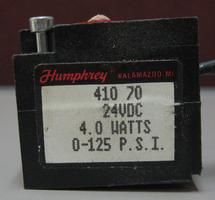
-
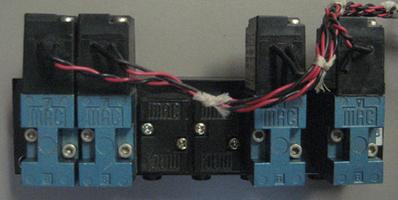
MAC 45A-L00-DEDB-18K, 45A-L00-DDDB-18K Circuit Bar w/ Solenoid Valves
MAC 45A-L00-DEDB-18K, 45A-L00-DDDB-18K Circuit Bar w/ Solenoid Valves -
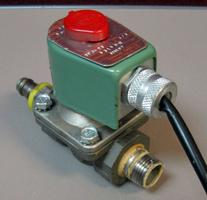
Asco 8210C87 Solenoiod Valve 1/2"
Asco 8210C87 Solenoiod Valve 1/2" Solenoiod Valve 1/2" -
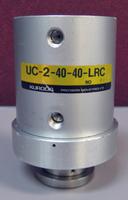
-
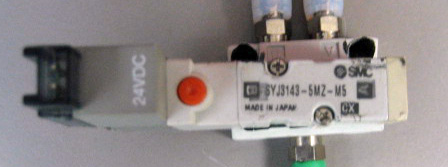
SMC SYJ3143-5MZ-M5 Solenoid Valve
SMC SYJ3143-5MZ-M5 Solenoid Valve VALVE SGL SOL BASE MT (DC) -
-
Popular Manufacturers
Common Applications
laboratory equipment
industrial automation
fluid control systems
gas regulation
water flow management
chemical processing
Frequently Asked Questions
What is the function of a solenoid valve?
A solenoid valve uses electrical energy to control the flow of liquids or gases, often operated via a solenoid coil that maneuvers the valve mechanism.
What types of solenoid valves are available?
There are several types of solenoid valves, including 2-way, 3-way, and 4-way configurations, suitable for different flow control requirements.
What specifications are important for solenoid valves?
Key specifications include voltage ratings from 24V to 240V, current ratings, pressure ranges, and material compatibility with the medium.
How do solenoid valves ensure precise flow control?
Solenoid valves achieve precise flow control through accurate electric current regulation and customizable valve configurations to suit specific flow parameters.
Log in with your username/email address