
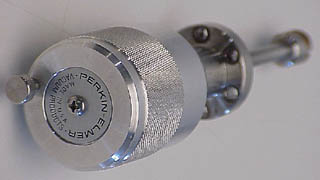
Vacuum Fittings
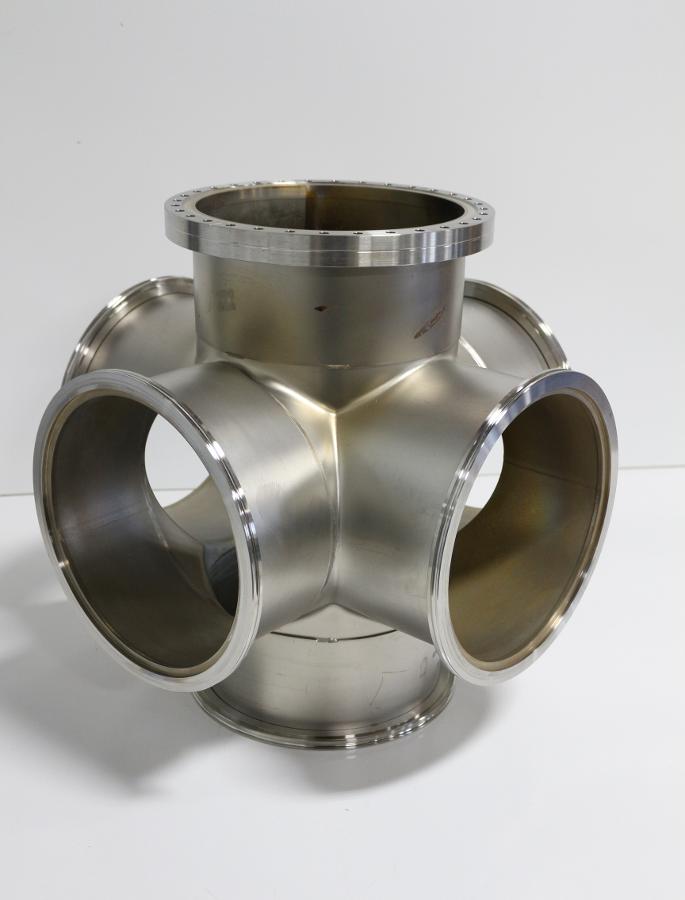
Vacuum fittings are essential components used to securely connect parts within a vacuum system, maintaining a stable pressure environment. These fittings enable precise control of pressure and flow, critical for applications that require high vacuum compatibility and secure sealing, with specifications such as pressure ratings and material compatibility.
-
-

-
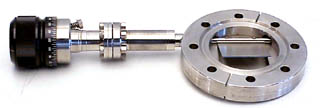
KURT LESKER FLAPPER VIEW PORT SHUTTER
Flapper View Port Shutter Shutters protect view ports in sputtering systems.
-
-
-
-
-
-
-
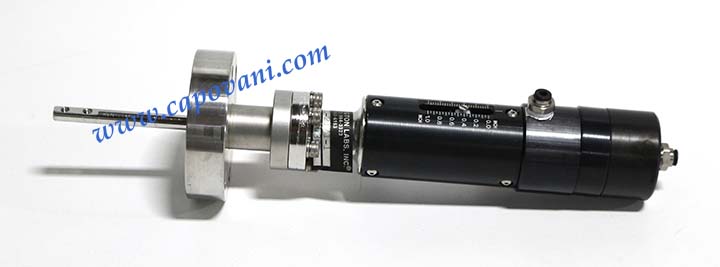
HUNTINGTON VACUUM FEEDTHROUGH LINEAR 1 INCH
Pneumatic Mini Linear Vacuum Feedthrough
-
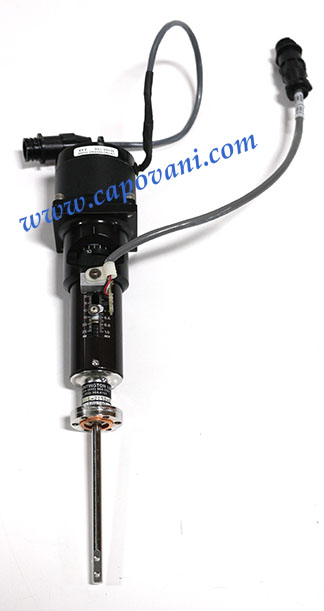
HUNTINGTON VACUUM LINEAR FEEDTHROUGH 1 INCH
Motorized Mini Linear Vacuum Feedthrough
-
HPS BELLOWS KF 40 X 40"
Bellows - New Never Used HPS acquired by MKS Instruments Inc.
Popular Manufacturers
Common Applications
vacuum systems
sputtering systems
laboratory vacuum chambers
chemical processing
semiconductor manufacturing
surface analysis equipment
Frequently Asked Questions
What are the key types of vacuum fittings available?
Common types include feedthroughs, such as thermocouple and linear feedthroughs, and view port shutters, which provide secure sealing for various vacuum system applications.
How do vacuum fittings maintain system integrity?
They ensure system integrity by providing secure and reliable connections that maintain consistent pressure and prevent leaks through robust sealing mechanisms.
Why is material compatibility important for vacuum fittings?
Material compatibility is crucial to prevent chemical reactions and ensure durability under different pressure and temperature conditions within a vacuum system.
Can vacuum fittings be used in both high and ultra-high vacuum environments?
Yes, vacuum fittings are designed to function in both high and ultra-high vacuum environments, offering different pressure ratings and specifications to match system requirements.
Log in with your username/email address