Residual Gas Analyzers

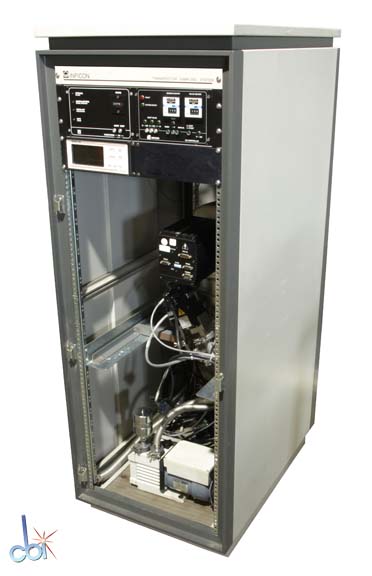
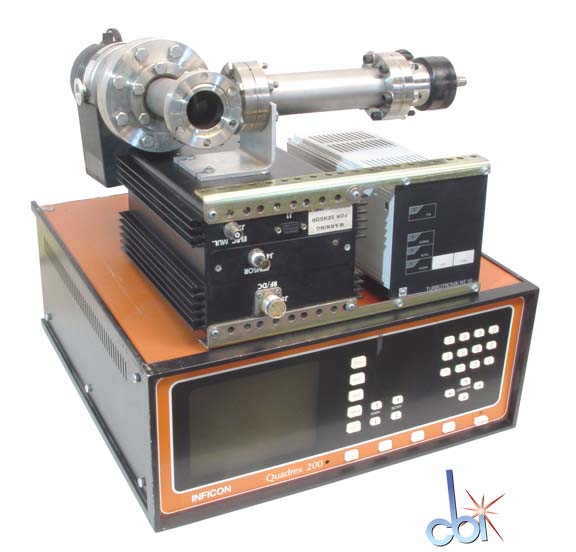
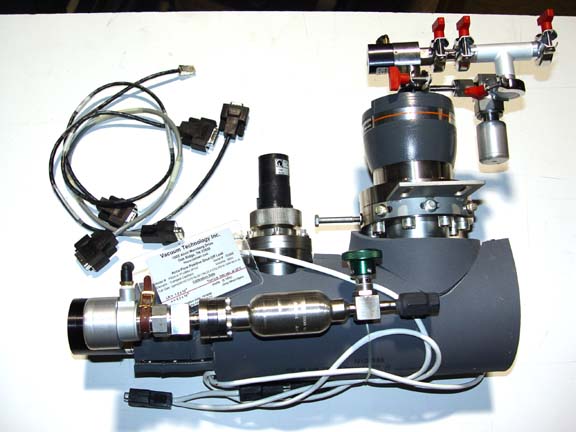
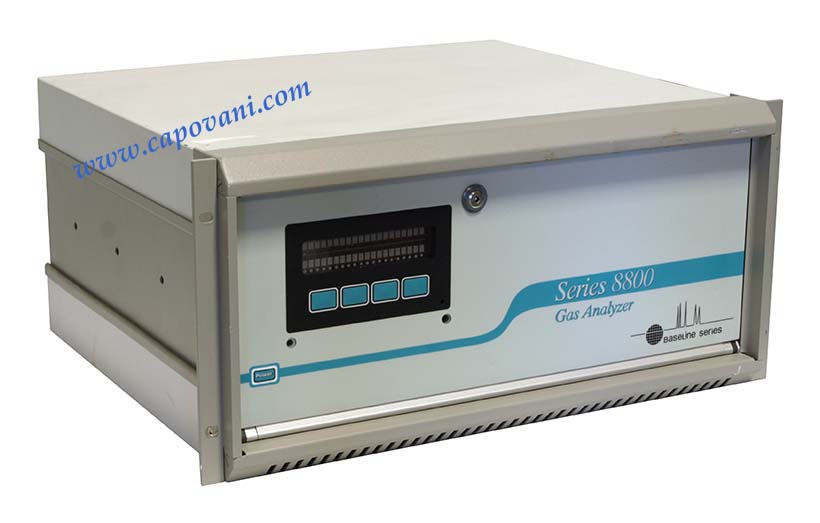
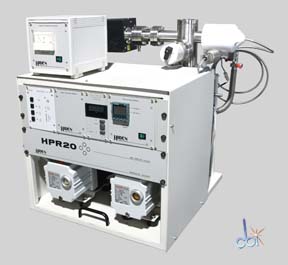
Residual Gas Analyzers (RGAs) are specialized instruments designed to identify and quantify gas compounds within a specified environment, typically using mass spectrometry techniques. They provide precise measurements with exceptional sensitivity, operating within a dynamic range that supports detection of various gases at pressures as low as 10^-11 Torr, ensuring high measurement repeatability and traceability.

Common Applications

Atmospheric Monitoring

Chamber Gas Analysis

Vacuum System Monitoring

Volatile Organic Compound Detection

Buying Guide

Residual Gas Analyzer Buying Guide

Choosing the right Residual Gas Analyzer depends on the specific gases you need to detect and analyze.

Consider the environmental conditions, such as vacuum level and potential contaminants, when assessing an RGA's compatibility.

  • Verify the dynamic range and minimum detectable pressure specifications to match your analytical needs.
  • Consider calibration features and traceability options to ensure measurement accuracy.
  • Evaluate the instrument's sensitivity and resolution specifications for precise gas measurements.
  • Ensure the analyzer supports the necessary interfaces for data integration and analysis in your setup.

Frequently Asked Questions

What is the operating range for a Residual Gas Analyzer?
Residual Gas Analyzers typically operate effectively in vacuum environments with pressures ranging from 10^-11 to 10^-3 Torr.
How does a Residual Gas Analyzer work?
Residual Gas Analyzers utilize mass spectrometry to detect and quantify gas compounds by ionizing gas molecules and analyzing their mass-to-charge ratios.
What applications are Residual Gas Analyzers used for?
They are used for atmospheric and chamber gas analysis, vacuum system monitoring, and detection of volatile organic compounds in laboratory and industrial settings.
Are Residual Gas Analyzers portable?
Some models, known as portable analytical systems, are designed for on-site monitoring and analysis in various settings.