
Optical Breadboards
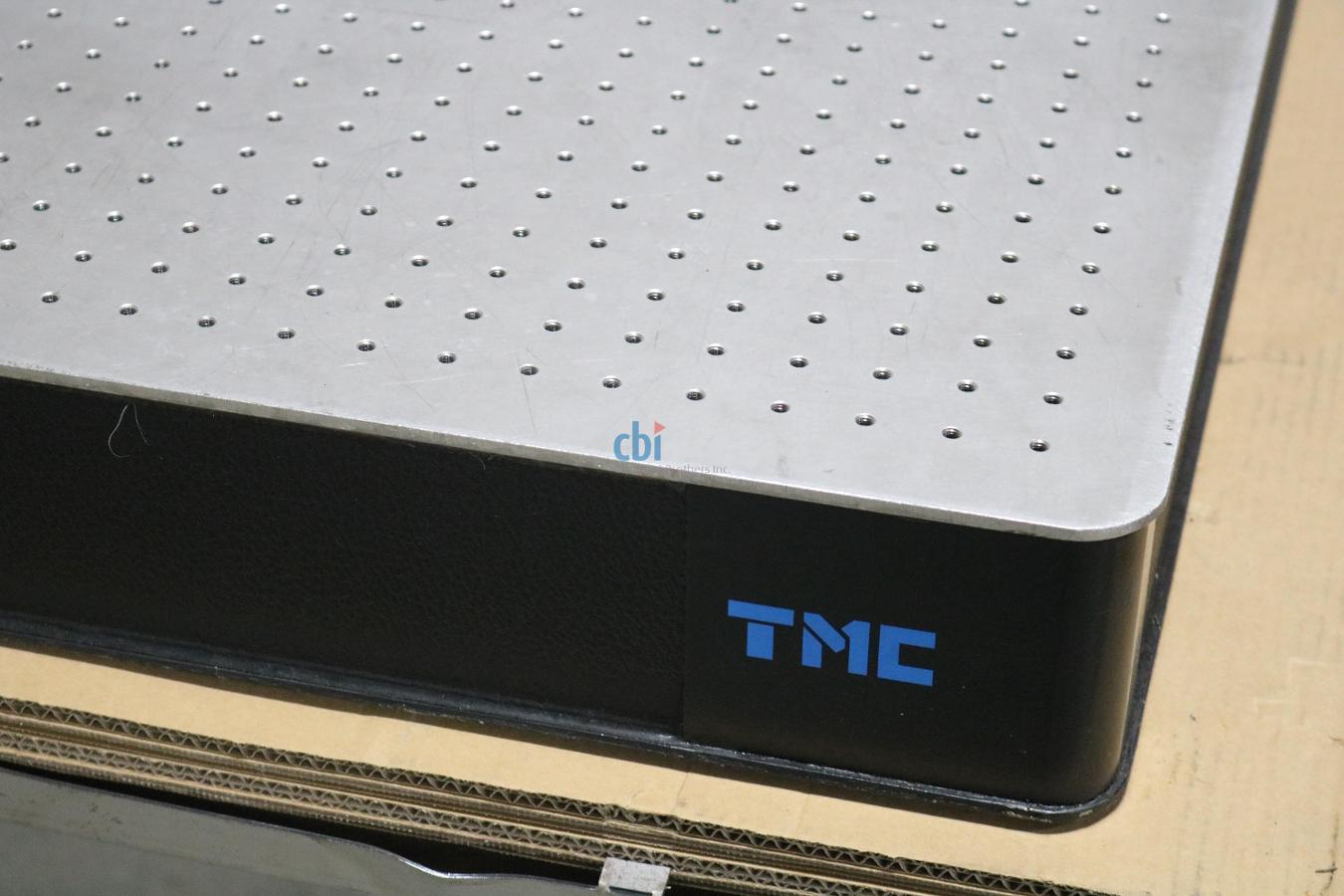
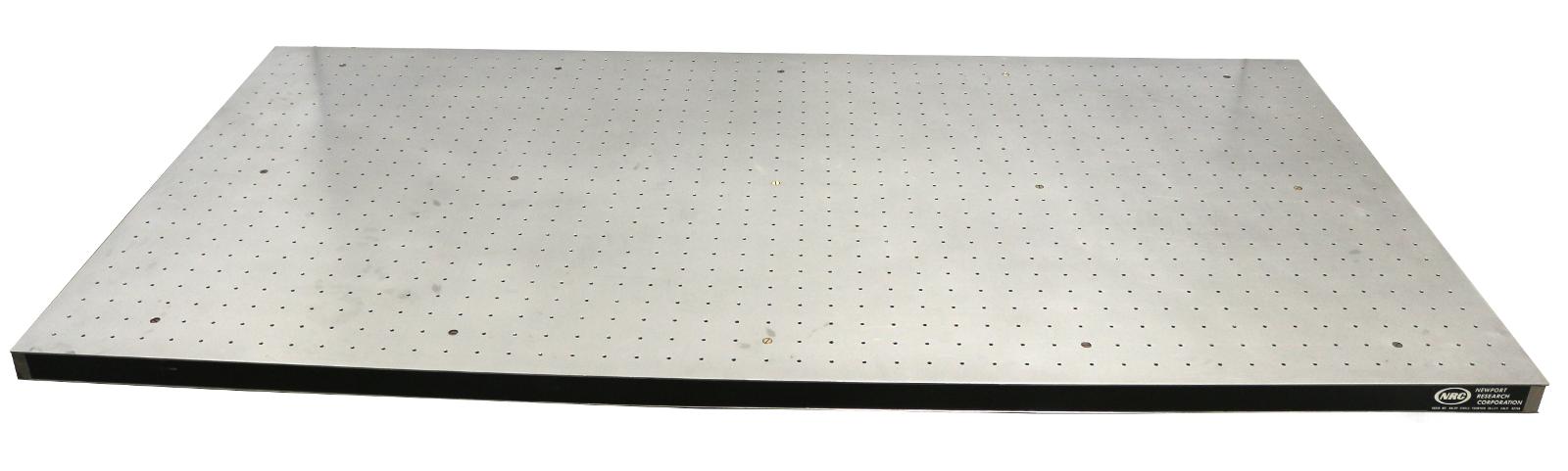
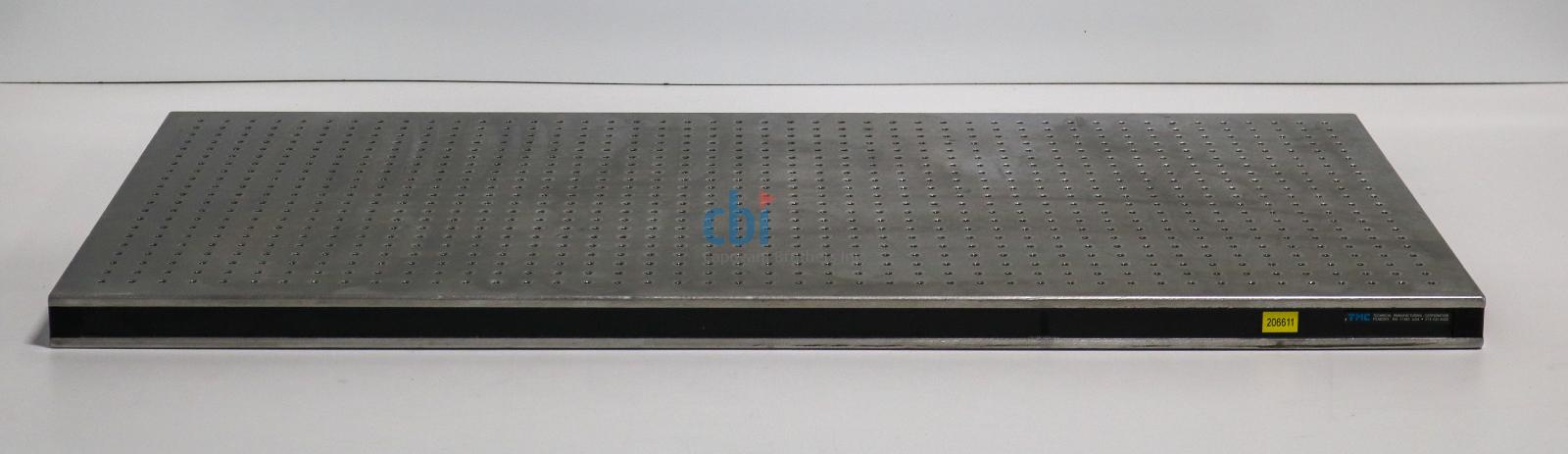
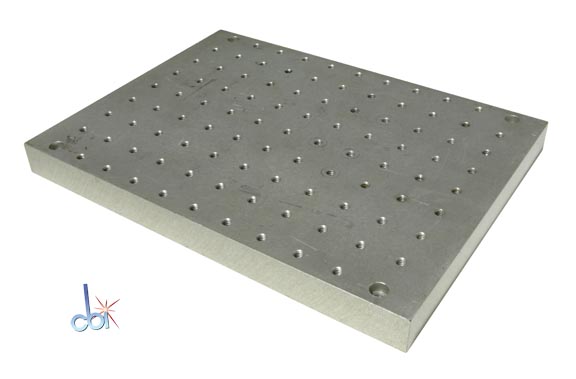
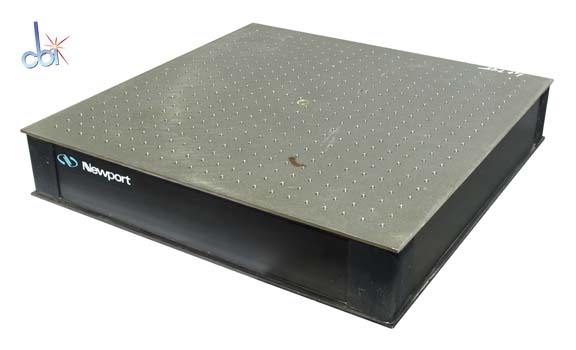
Optical breadboards are precision platforms used to stabilize and support optical components in measurement systems. These breadboards enhance measurement traceability and precision with specifications such as dimensions ranging from 2' x 4' to 4' x 8', and material constructions like solid aluminum for vibration isolation.

Popular Manufacturers
Common Applications
precision alignment
optical experiments
vibration isolation setups
laser systems
laboratory measurements
Frequently Asked Questions
What are the typical dimensions of optical breadboards?
Optical breadboards commonly come in dimensions such as 2' x 4', 4' x 8', and 39 x 39 x 4 inches, providing various setups for different laboratory requirements.
Why are optical breadboards made from solid aluminum?
Solid aluminum is used for optical breadboards because it offers excellent vibration isolation and stability, crucial for maintaining precision in optical experiments.
What applications use optical breadboards?
Optical breadboards are used in applications requiring stable support for optical components, such as in laser alignment systems and precision measurement setups.
How do optical breadboards enhance measurement precision?
They provide a stable, vibration-damping surface that minimizes external disturbances, allowing for consistent and repeatable measurements.
Log in with your username/email address