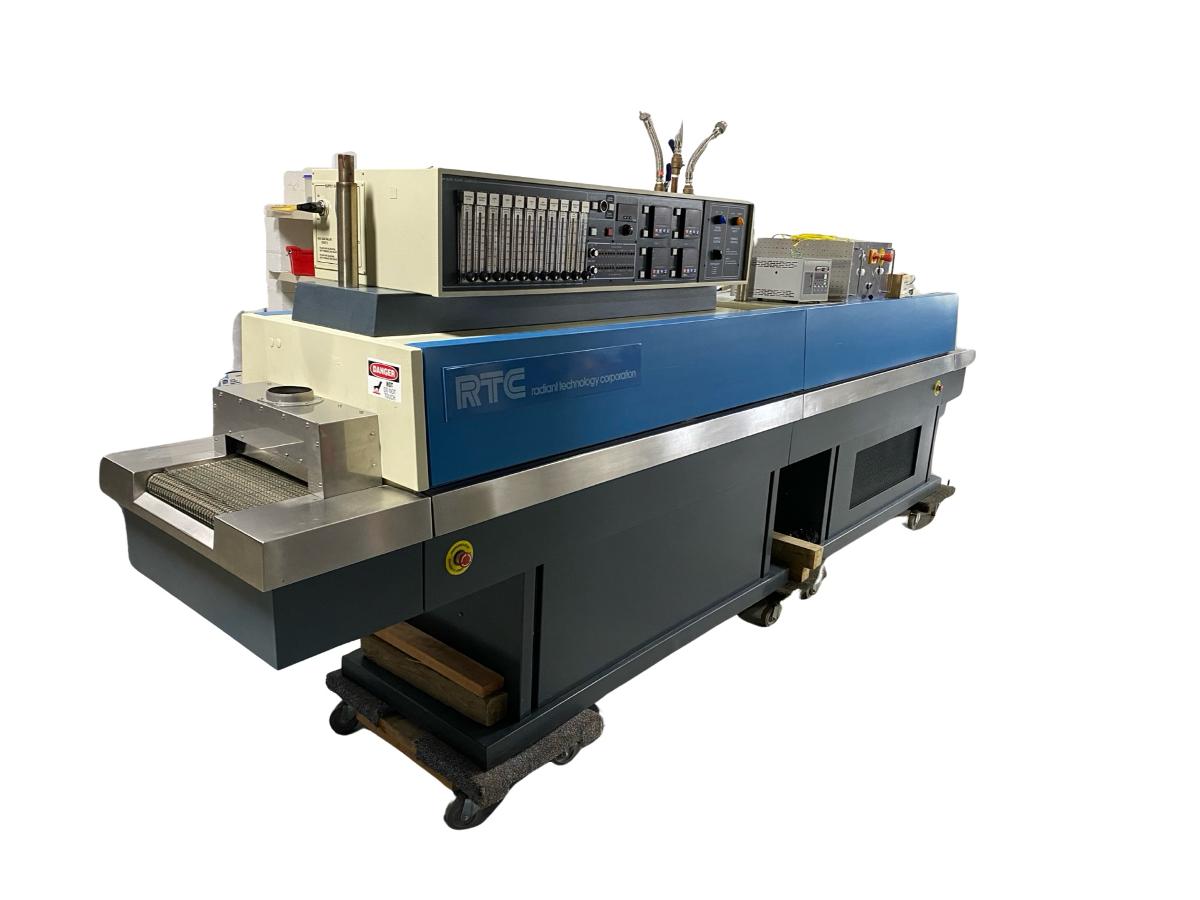
Belt Conveyor Furnaces

Belt conveyor furnaces are designed for continuous heat processing, utilizing a moving belt to transport materials through controlled temperature zones. These furnaces support uniform heat distribution with precise temperature control, offering operating ranges up to 960°C for consistent industrial and laboratory applications.

Common Applications

Heat Treatment

Annealing

Curing

Drying

Industrial Processing

Laboratory Applications

Buying Guide

Belt Conveyor Furnaces Buying Guide

When choosing a belt conveyor furnace, consider the heat processing requirements specific to your operation, including the maximum temperature range and uniformity of heat distribution.

Evaluate the furnace's ability to maintain precise temperature control and understand the power ratings applicable to the equipment's operation in your environment.

  • Verify the furnace's maximum temperature capabilities, with available options reaching up to 960°C, to match processing needs.
  • Ensure the belt material and design are suitable for the products being processed and can withstand the intended operational temperatures.
  • Assess the furnace's control system for precision in thermal management and process automation features.
  • Consider the maintenance requirements and ease of access for cleaning and servicing components to ensure long-term operational efficiency.

Frequently Asked Questions

What temperature ranges do belt conveyor furnaces support?
Belt conveyor furnaces can support high temperature ranges, typically up to 960°C, ensuring efficient heat treatment processes.
How do belt conveyor furnaces ensure uniform heat distribution?
They utilize controlled temperature zones and a moving belt to provide consistent and uniform heat distribution across materials.
What industries use belt conveyor furnaces?
These furnaces are used across various industries, including manufacturing and metallurgical sectors, for processes such as drying, curing, and annealing.
Are there specific maintenance requirements for belt conveyor furnaces?
Regular maintenance involves inspecting the belt condition, ensuring temperature sensors function correctly, and checking for uniform heat distribution.