
Other Scientific and Laboratory Equipment
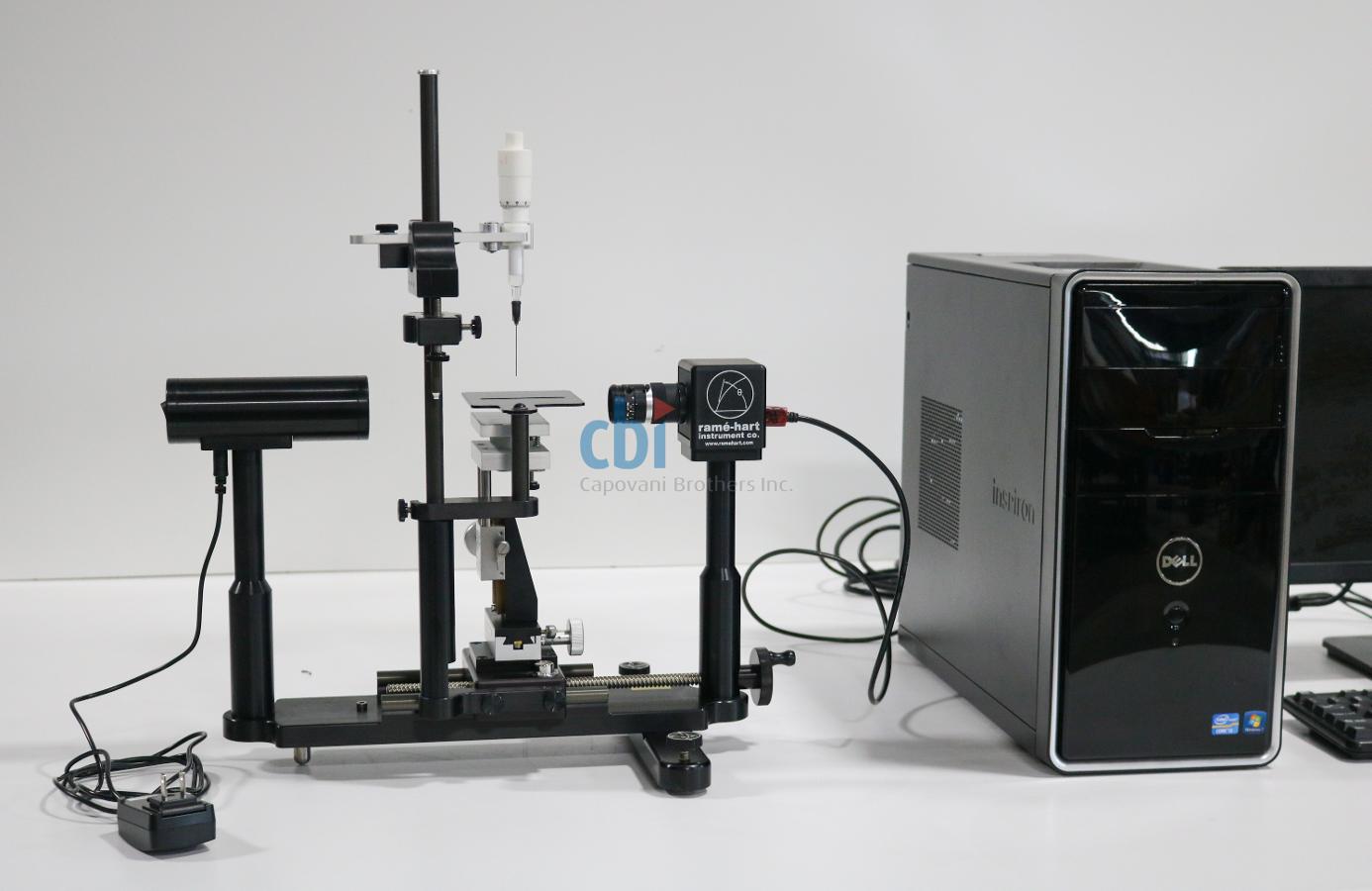
RAME-HART CONTACT ANGLE GONIOMETER
Contact Angle Goniometer With Desktop and Monitor
Various scientific and laboratory equipment cater to a wide range of measurement and analysis needs, offering precision and calibration traceability. These instruments support critical applications with key specifications such as high-resolution imaging, voltage and power requirements, and advanced optical geometry.
Other Scientific and Laboratory Equipment
Contact Angle Goniometer With Desktop and Monitor
Other Scientific and Laboratory Equipment
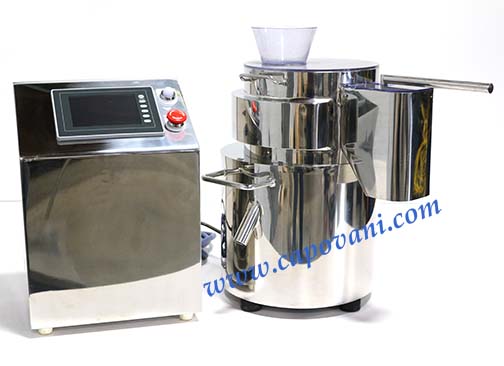
Lab Scale Spheronizer
Other Scientific and Laboratory Equipment
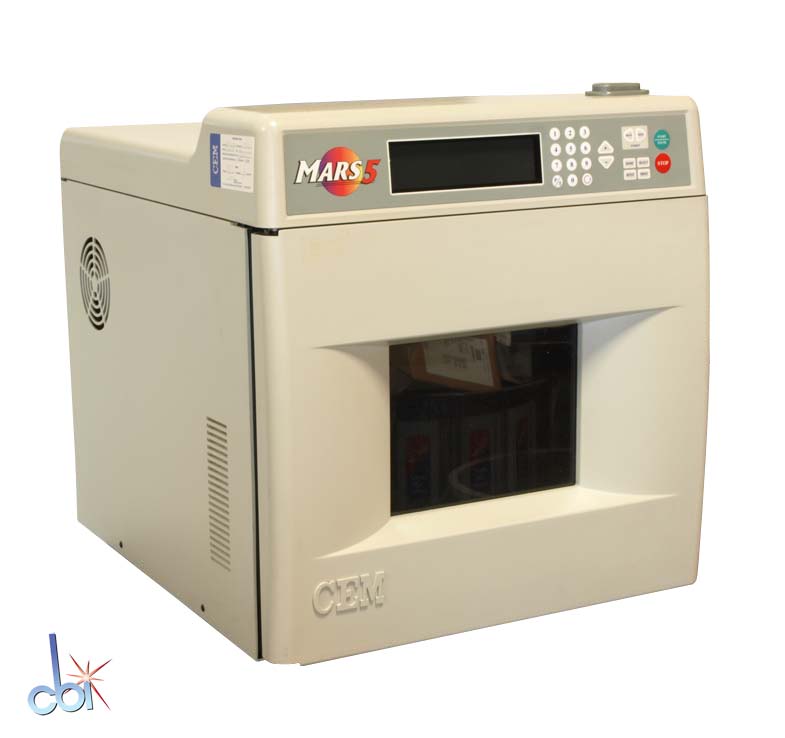
Microwave Accelerated Reaction System
Other Scientific and Laboratory Equipment
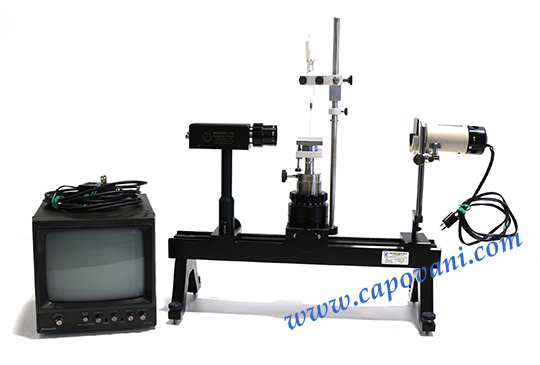
Contact Angle Goniometer
Other Scientific and Laboratory Equipment
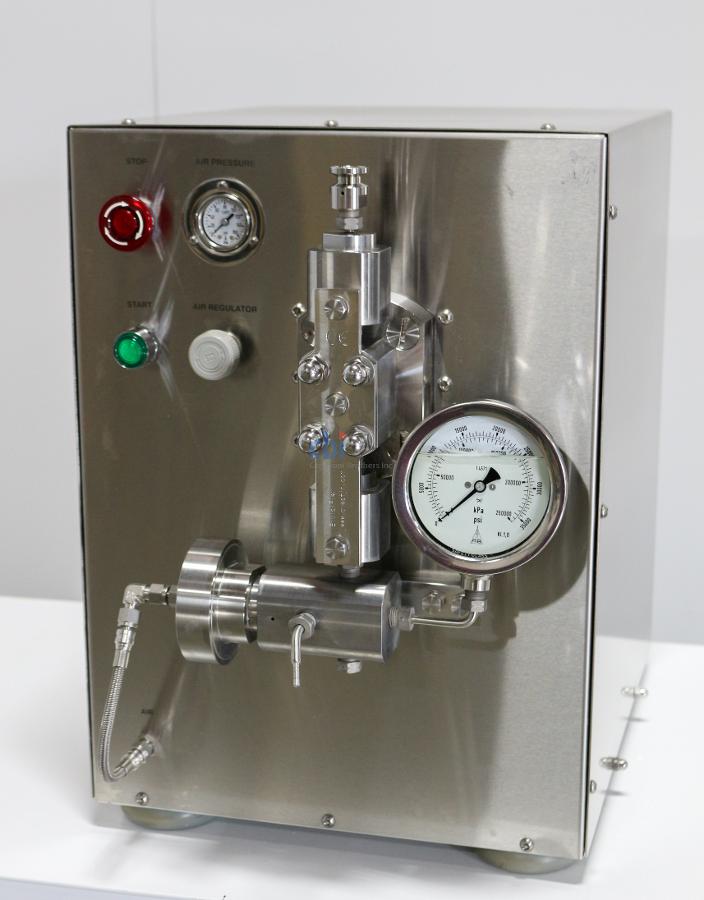
High Pressure Homogenizer - 30K PSI
Other Scientific and Laboratory Equipment
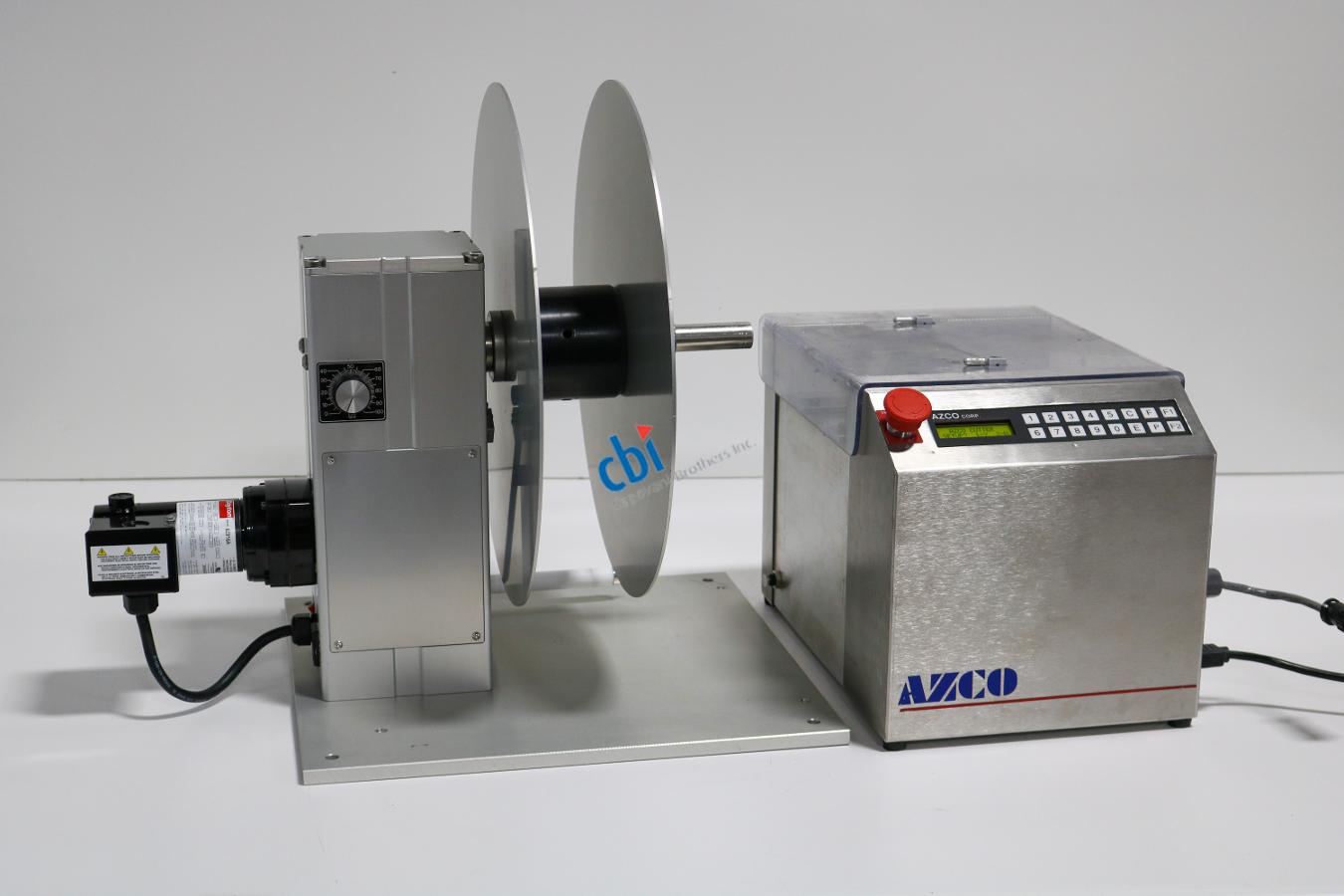
Cut to Length Assembly with Unwind/Rewind Stand

Other Scientific and Laboratory Equipment
Heatless Desiccant Air Dryer
Other Scientific and Laboratory Equipment
Other Scientific and Laboratory Equipment
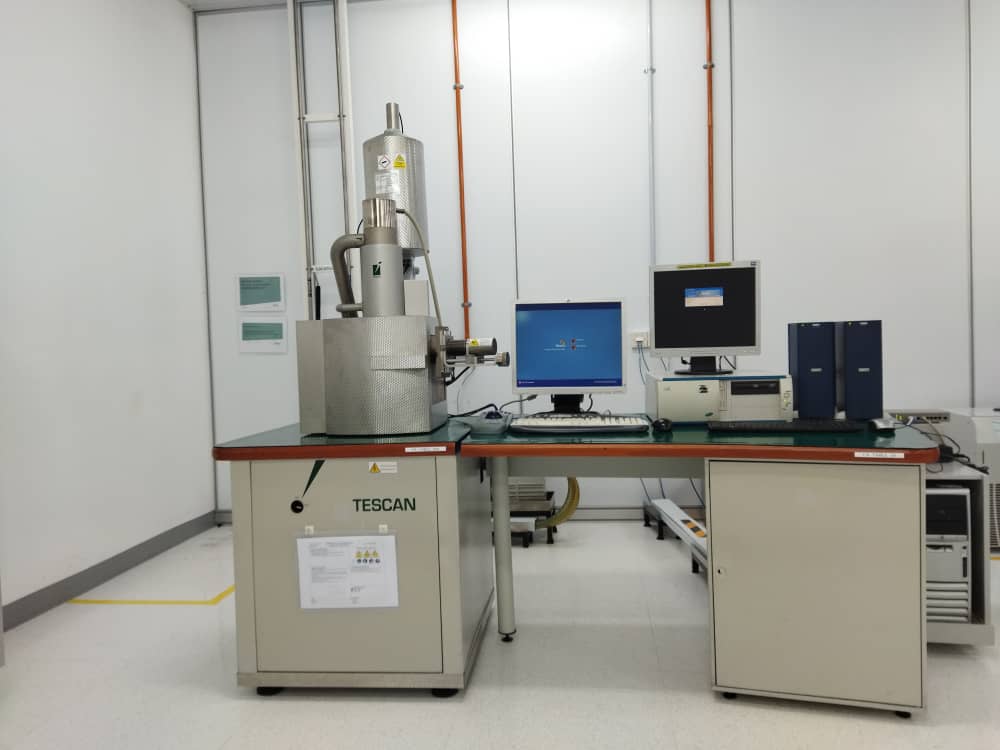
TESCAN TS5136XM Scanning Electron Microscope c/w OXFORD INCA ENERGY 200 Energy Dispersive X-Ray
Other Scientific and Laboratory Equipment
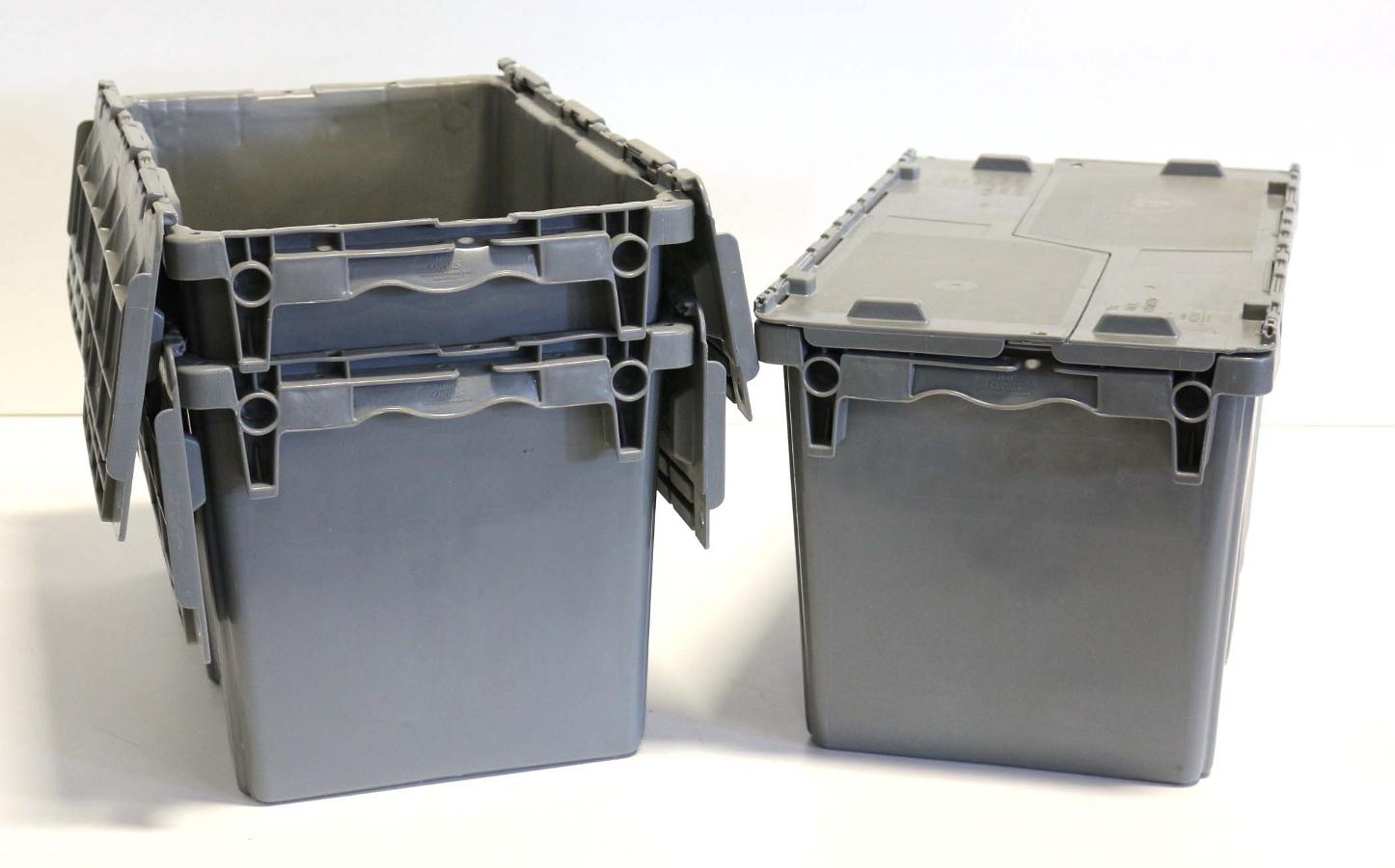
Stack-N-Nest Totes Price is for 1 tote. 10 Tote minimum order.
Other Scientific and Laboratory Equipment
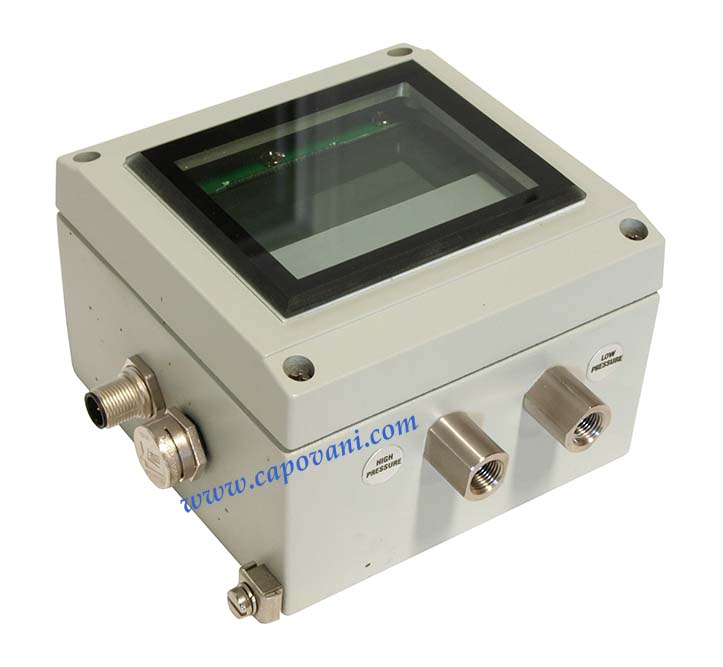
Differential Pressure Transmitter
Log in with your username/email address