Other Optical and Photonic Equipment

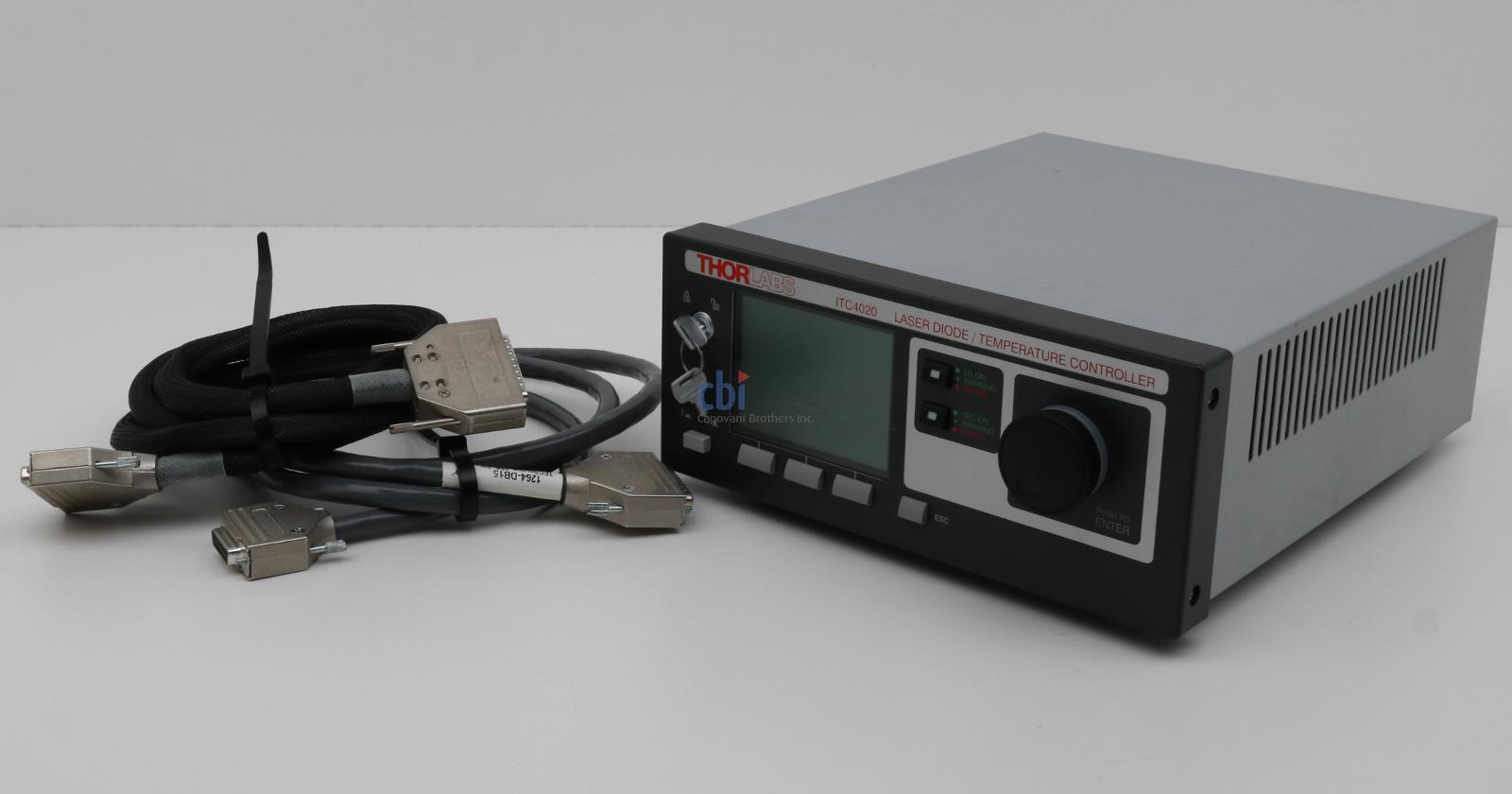
Other optical and photonic equipment includes devices designed for precise light measurement and temperature regulation in various scientific and industrial contexts. These instruments offer capabilities such as sensitivity to specific light frequencies and controlled temperature ranges, ensuring high precision and traceability in applications like night sky observation and laser diode cooling.

Common Applications

Night sky observation

Laser diode temperature control

Precision light measurement

Laboratory experiments

Industrial calibration

Optical research

Buying Guide

Optical and Photonic Equipment Buying Guide

When selecting optical and photonic equipment, it's essential to focus on the specific measurement and control capabilities you require. Look for instruments that offer high precision and resolution for your particular application needs.

Ensure that the specifications support your intended use, whether it’s for light measurement or thermal management. Verify the calibration status of the equipment to guarantee results traceability.

  • Check the equipment's sensitivity to the range of light frequencies relevant to your application.
  • Ensure the temperature controllers have the appropriate operating range for your laser diodes.
  • Consider the traceability and documentation provided with the instruments for quality assurance.
  • Evaluate the power ratings and voltage requirements to ensure compatibility with your laboratory setup.

Frequently Asked Questions

What types of optical equipment are used for light measurement?
Devices such as night sky meters and single-channel optometers are commonly used for precise light measurement, offering high sensitivity to specific light frequencies.
How does a laser diode temperature controller function?
A laser diode temperature controller maintains a consistent temperature range for laser diodes, ensuring optimal performance by regulating through precise thermal management systems.
Why is traceability important in optical measurements?
Traceability ensures that optical measurements are accurate and consistent over time, allowing results to be verified against recognized standards, which is critical in research and quality control applications.
What are some common applications of optical and photonic equipment?
These instruments are utilized in fields such as astronomy for night sky observations, laboratory settings for laser experiments, and industrial environments for precision calibration and measurement tasks.