
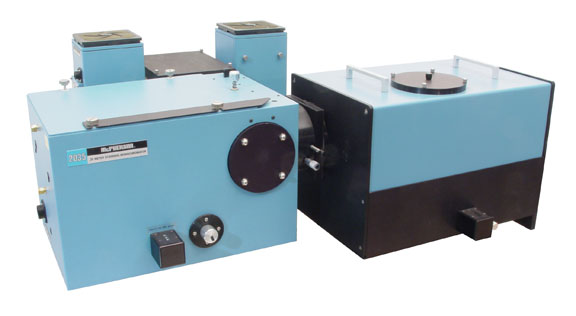
UV-Visible Spectrophotometers
UV-Visible spectrophotometers are advanced instruments designed to measure the intensity of light in the ultraviolet and visible regions of the electromagnetic spectrum. These devices provide precise resolution and traceability, supporting applications with specifications such as high wavelength accuracy, excellent baseline stability, and wide dynamic range.
Popular Manufacturers
Common Applications
Quantitative analysis
Chemical reaction monitoring
Solute concentration measurement
Light absorbance studies
Spectral analysis
Research and development
Frequently Asked Questions
What is the wavelength range for UV-Visible spectrophotometers?
UV-Visible spectrophotometers typically measure light wavelengths ranging from 190 nm to 1100 nm, covering both ultraviolet and visible spectra.
How is the accuracy of a spectrophotometer ensured?
The accuracy of a spectrophotometer is ensured through calibration with traceable standards and regular performance verification, focusing on factors like wavelength accuracy and photometric precision.
What are common applications of UV-Visible spectrophotometers?
Common applications include quantitative analysis of solutes, assessing chemical reactions, and monitoring changes in light absorbance in various scientific and industrial processes.
What factors should be considered when selecting a UV-Visible spectrophotometer?
Consider measurement range, wavelength accuracy, resolution, dynamic range, and compatibility with specific sample types when selecting a UV-Visible spectrophotometer.
Log in with your username/email address