Autoclaves and Sterilizers

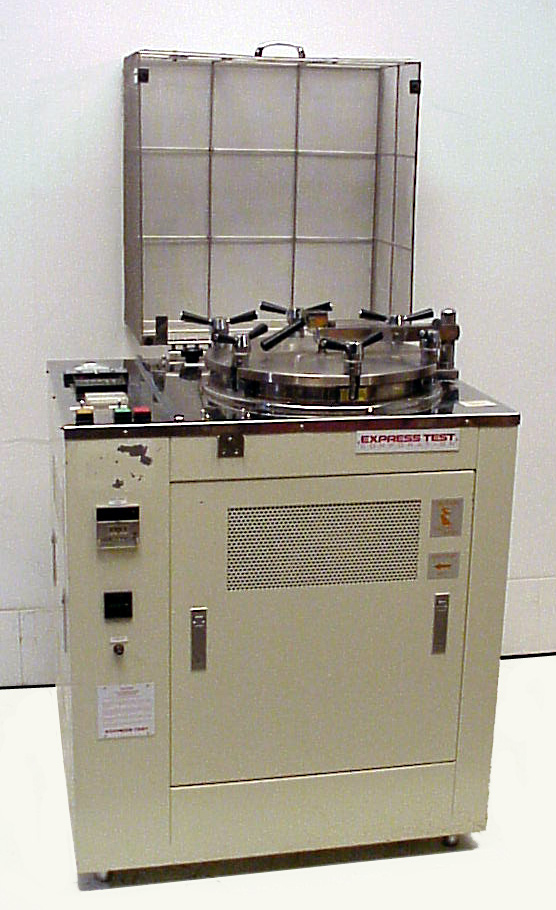
Autoclaves and sterilizers are crucial for steam sterilization processes, using high pressure and temperature to ensure the complete elimination of microorganisms in laboratory and industrial settings. With pressure ratings up to 30 PSI and operating temperatures reaching 135°C, these instruments deliver precise control over sterilization cycles, ensuring repeatability and reliability.

Common Applications

laboratory sterilization

industrial sterilization

medical equipment sterilization

pharmaceutical processing

biotechnology

material testing

Buying Guide

Autoclaves and Sterilizers Buying Guide

Choosing the right autoclave or sterilizer involves understanding your specific sterilization needs and constraints.

Consider the following factors when selecting an autoclave:

  • Ensure the pressure and temperature ratings meet your sterilization requirements, commonly around 30 PSI and up to 135°C.
  • Verify the capacity of the autoclave matches the volume of materials you need to sterilize regularly.
  • Check for compatibility with any specific materials or instruments, especially those sensitive to heat or pressure.
  • Look for models with advanced cycle control features to ensure process accuracy and repeatability.

Frequently Asked Questions

What is the maximum temperature an autoclave can reach?
Most laboratory autoclaves can reach temperatures up to 135°C to achieve optimal sterilization conditions.
How does an autoclave ensure complete sterilization?
Autoclaves use pressurized steam at high temperatures, usually around 121°C to 135°C, to penetrate and kill all microorganisms on surfaces.
What are common applications for autoclaves?
Autoclaves are commonly used in laboratories, medical facilities, and industrial settings for sterilizing instruments, equipment, and materials.
What types of pressure vessels are used in autoclaves?
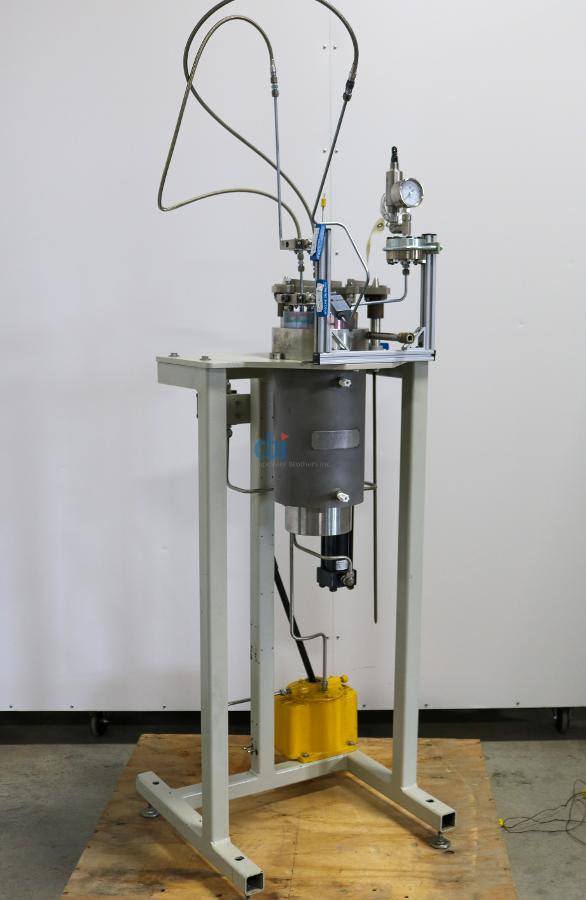
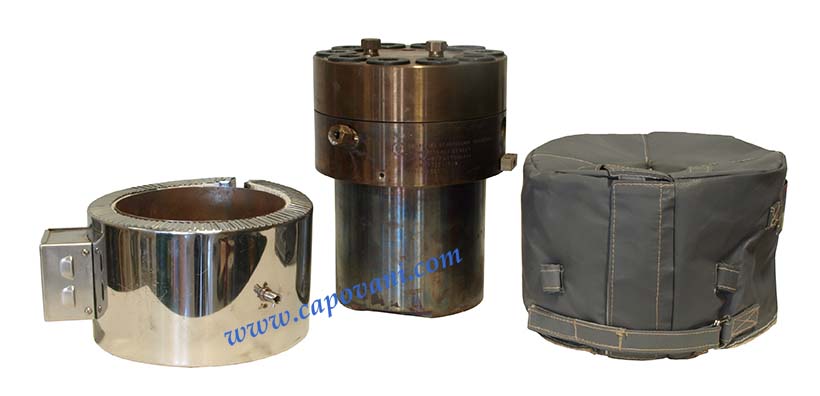
Common types include bolted closure pressure vessels and Zipperclave systems, which ensure safe containment of high-pressure steam.