Matching Networks

Matching Networks are essential components in RF systems, used to optimize power transfer by ensuring impedance matching between the network and its load. They support high-frequency applications with key specifications such as RF frequency ranges up to several GHz and power ratings commonly reaching 1 kW or more, crucial for maintaining efficiency and performance in transmission systems.

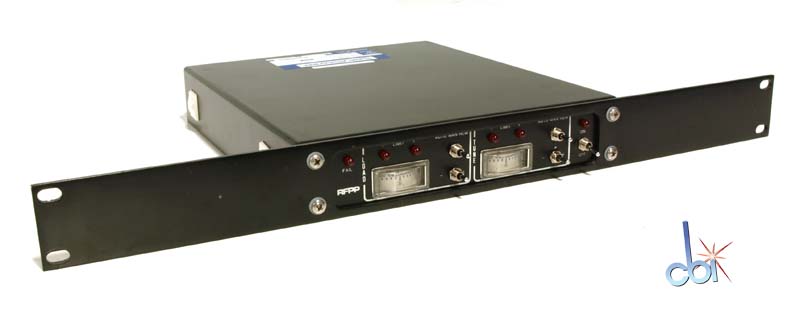
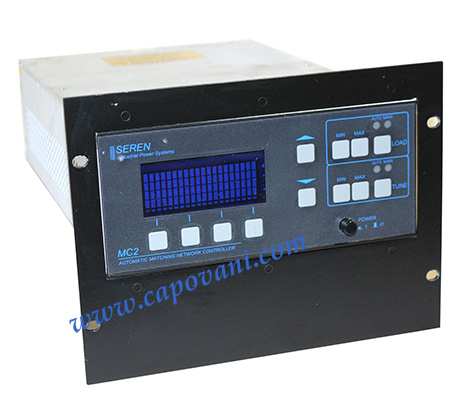
  1. RF POWER PRODUCTS MATCHING NETWORK CONTROLLER

    Matching Networks

    RF POWER PRODUCTS MATCHING NETWORK CONTROLLER

    Matching Network Controller RF Power Products AMNPS 2A

    RF Power Products acquired by Advanced Energy Industries

    Representative photo, 19" rack mount plate may or may not be included
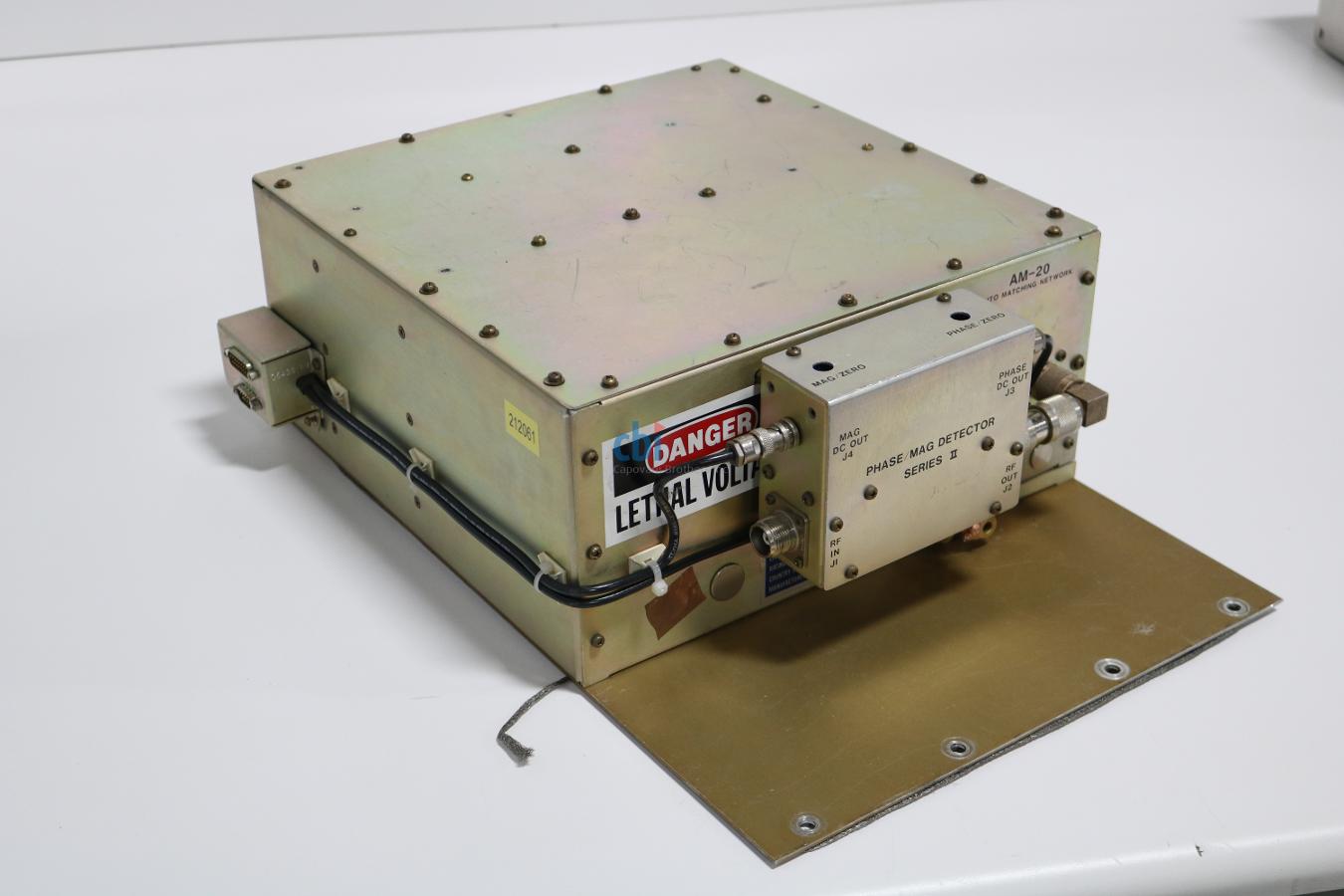
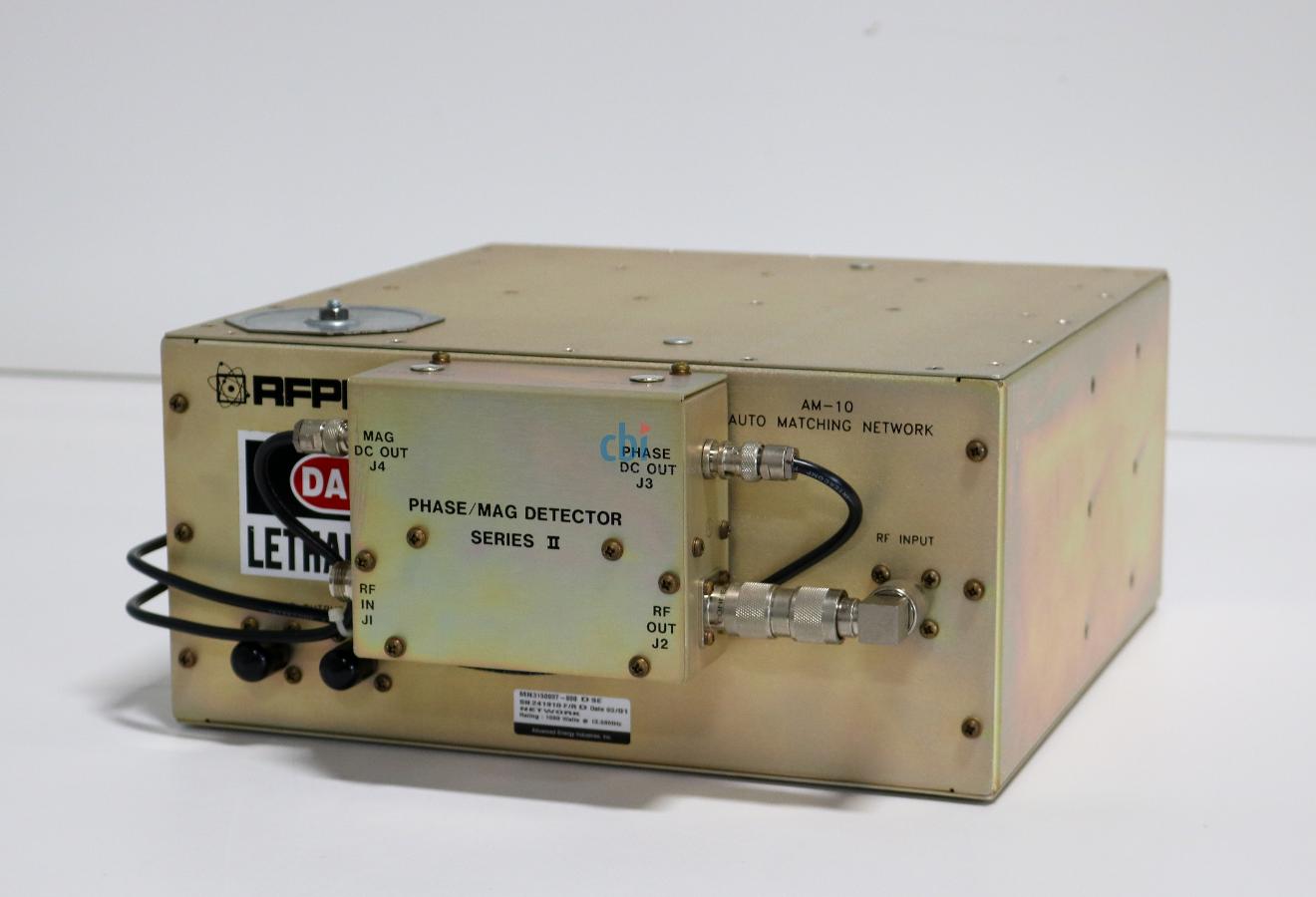
  2. RF POWER PRODUCTS AUTOMATIC MATCHING NETWORK AM-20

    Matching Networks

    RF POWER PRODUCTS AUTOMATIC MATCHING NETWORK AM-20

    Automatic Matching Network AM-20

Common Applications

RF power systems

Broadcast transmission

Telecommunications

Industrial RF applications

Lab testing environments

Research facilities

Buying Guide

Matching Networks Buying Guide

When selecting a matching network for your RF system, consider the specific frequency range it needs to support, as this will impact compatibility and efficiency.

It's also important to assess the power rating, typically up to 1 kW, to ensure it can handle the power requirements of your application without degradation.

  • Verify the RF frequency range compatibility with your system.
  • Check the power rating to match your application's output.
  • Consider automatic versus manual models depending on dynamic load conditions.
  • Ensure the network includes necessary accessories for seamless integration.

Frequently Asked Questions

What is a matching network used for?
A matching network is used to ensure maximum power transfer and minimize reflection in RF applications by matching the impedance of the load to the source.
How do automatic matching networks work?
Automatic matching networks adjust their impedance settings automatically to maintain optimal matching and power transfer in varying RF load conditions.
What are common specifications for RF matching networks?
Common specifications include RF frequency ranges up to several GHz and power ratings that can reach up to 1 kW, enabling effective performance in high-frequency applications.
Why is impedance matching important in RF systems?
Impedance matching is important to ensure efficient power transfer, reduced signal loss, and minimized reflections, which are crucial for maintaining signal integrity in RF systems.