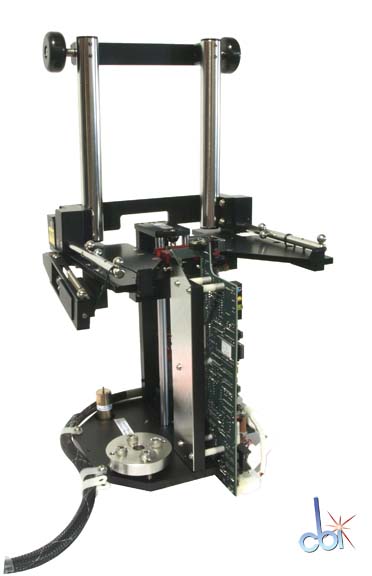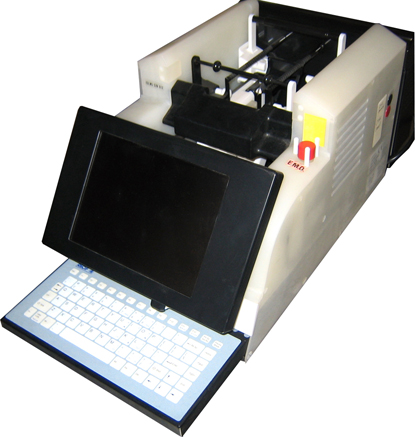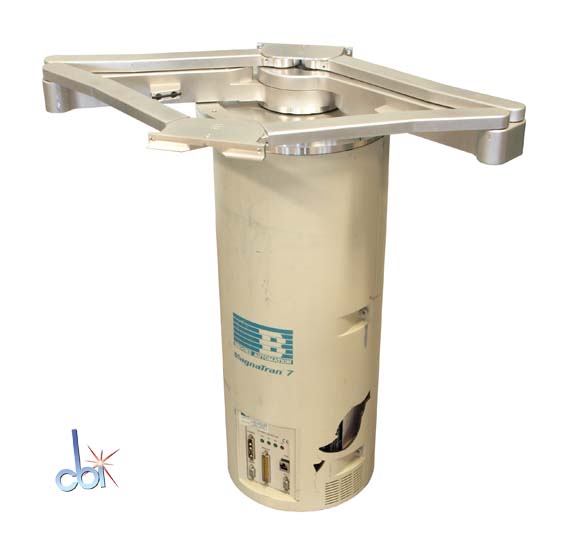
Wafer Transfer Units

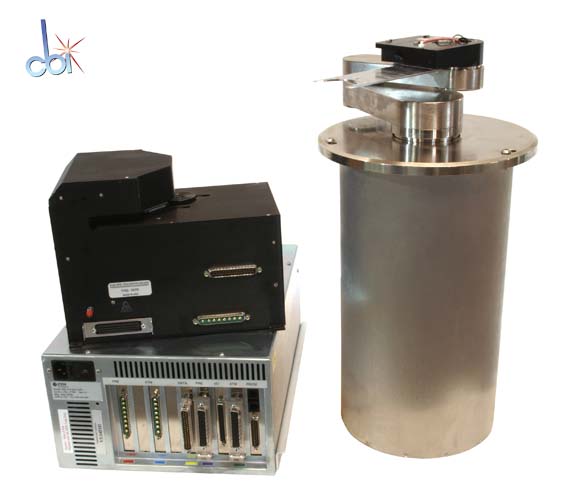
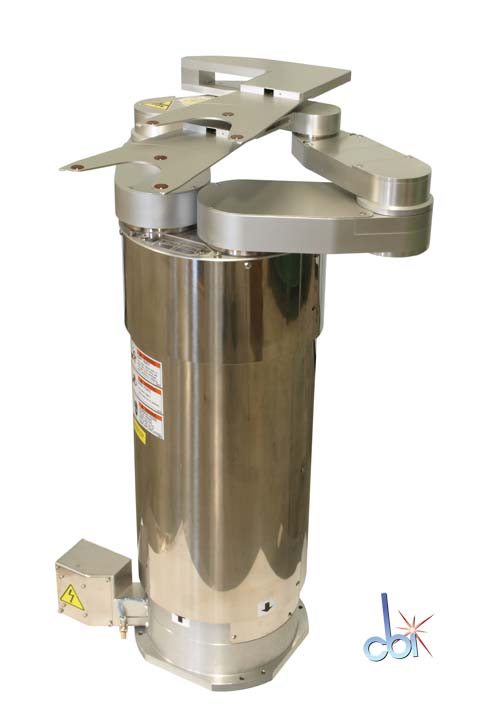
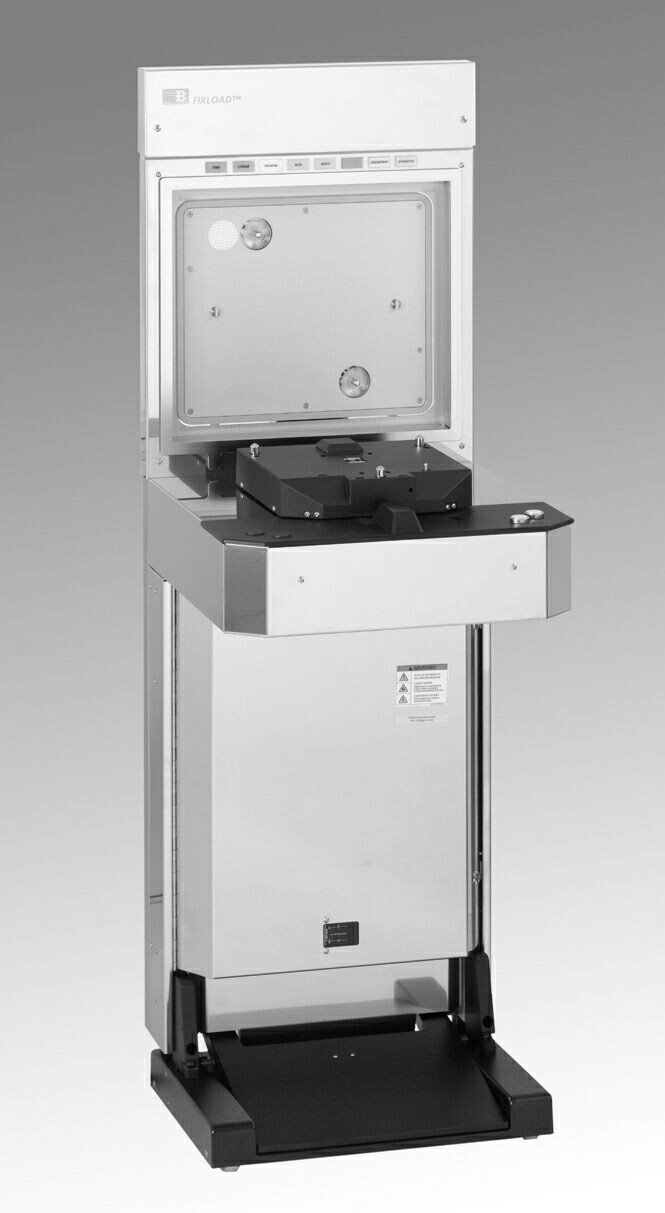
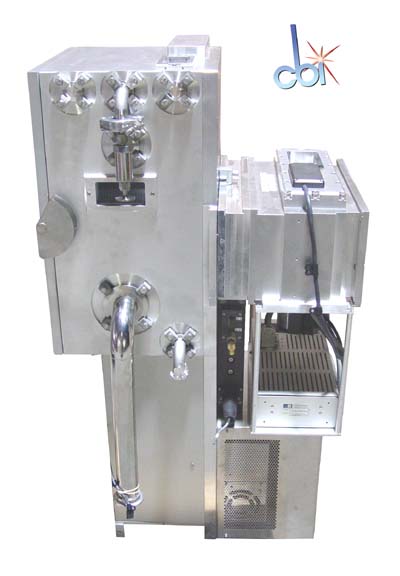
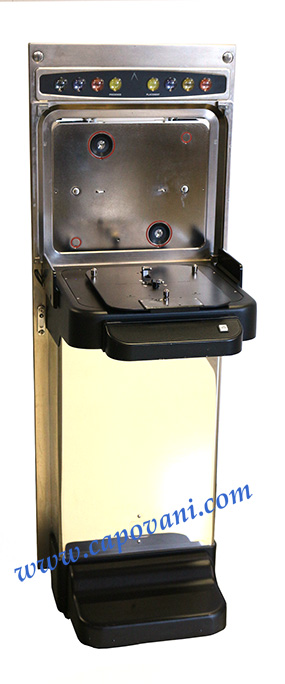
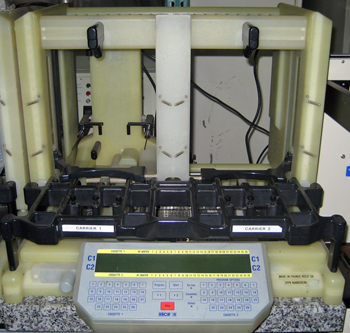
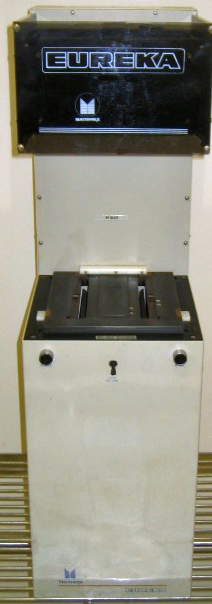
Wafer Transfer Units are essential in semiconductor fabrication for moving and aligning wafers with high precision. These systems support the automated transfer of wafers with integrated mechanisms to ensure repeatability and precise alignment, incorporating specifications like voltage and amperage for operational efficiency.

Common Applications

Semiconductor fabrication

Wafer alignment

Automated wafer handling

Precision transfer operations

Buying Guide

Wafer Transfer Units Buying Guide

When selecting wafer transfer units, it's crucial to consider specific features that align with your operational needs.

Understand the technical specifications, including voltage and amperage requirements, to ensure compatibility with your existing infrastructure.

  • Check the unit's precision in wafer alignment to minimize defects.
  • Evaluate automation features for enhanced operational efficiency.
  • Ensure the unit's compatibility with your current semiconductor fabrication setup.
  • Consider the manufacturer's support and service options for maintenance and calibration.

Frequently Asked Questions

What are the primary functions of wafer transfer units?
Wafer transfer units are designed to automate the movement and alignment of semiconductor wafers, ensuring precision and repeatability in fabrication processes.
What specifications should I look for in a wafer transfer unit?
Look for specifications such as voltage, amperage, and automation capabilities to ensure efficient operation and compatibility with your existing systems.
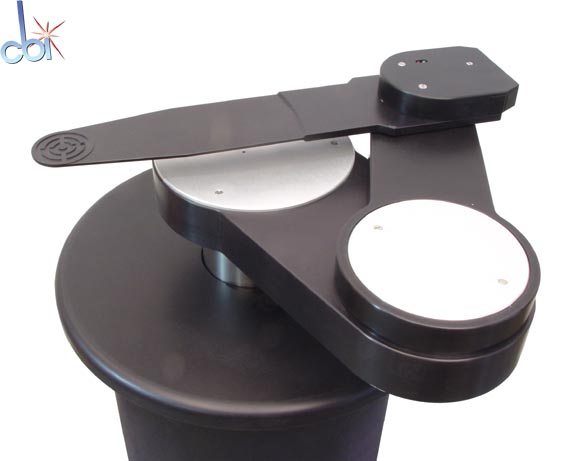
How do robotic arms enhance wafer transfer processes?
Robotic arms provide precise, repeatable motion control for wafer handling, reducing human error and increasing throughput in semiconductor fabrication.
Why is alignment important in wafer transfer?
Proper alignment is crucial to ensure that wafers are accurately positioned for subsequent processing steps, reducing defects in semiconductor manufacturing.