
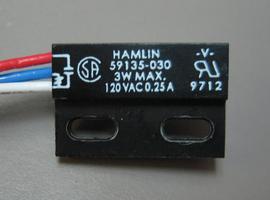
Other Sensors
Sensors in precision measurement environments convert physical parameters into signals for accurate data acquisition. These sensors offer measurement capabilities with detailed specifications such as sensitivity and signal range, ensuring traceability and calibration for laboratory applications.
-
-
-
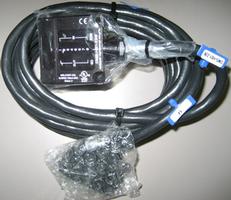
Applied Materials 0190-23270
Hokuyo DMS-HB1-Z09 Optical Sensor Tranceiver Optical Sensor Tranceiver -
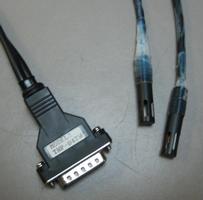
Shinyei Kaisha THP-B4TW Temperature and Humidity Sensor
Shinyei Kaisha THP-B4TW Temperature and Humidity Sensor Temperature and Humidity Sensor -

TEL B22986-427121-11 Sensor, 8 Detect #01 360
TEL B22986-427121-11 Sensor, 8 Detect #01 360 Sensor, 8 Detect #01 360 -
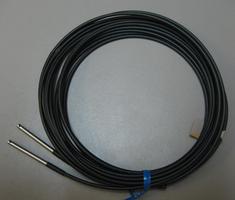
-
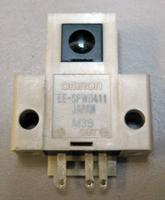
Omron EE-SPWD411 Photo Micro Sensor
Omron EE-SPWD411 Photo Micro Sensor Photo Micro Sensor -
TEL 2986-400515-13 CT Cup Sensor Cable (L)
TEL 2986-400515-13 CT Cup Sensor Cable (L) CT Cup Sensor Cable (L) -
Omron EE-SPX613 Amplified Photomicrosensor
Omron EE-SPX613 Amplified Photomicrosensor Amplified Photomicrosensor -
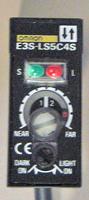
Omron E3S-LS5C4S Photoelectric Sensor
Omron E3S-LS5C4S Photoelectric Sensor Photoelectric Sensor -
TEL B22987-447157-12 8 CHP Cover Sensor Parts
TEL B22987-447157-12 8 CHP Cover Sensor Parts 8 CHP Cover Sensor Parts -
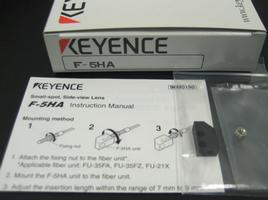
Keyence F-5HA Fiber Optic Sensor Head
Keyence F-5HA Fiber Optic Sensor HeadSmall-spot, Side-view Lens
Popular Manufacturers
Common Applications
laboratory measurements
data acquisition
quality control
research and development
signal detection
precision measurement
Frequently Asked Questions
What are the typical applications of precision measurement sensors?
Precision measurement sensors are commonly used in laboratories for data acquisition, quality control processes, and research requiring high accuracy and traceability.
How can I ensure the accuracy of a sensor?
To ensure accuracy, verify the sensor's calibration status and documented specifications such as sensitivity, operating range, and repeatability.
What should I consider when selecting a sensor for laboratory use?
Consider the sensor's measurement range, sensitivity, signal compatibility, and whether its specifications meet your application requirements.
How important is calibration for these sensors?
Calibration is crucial as it ensures the sensor's measurements are traceable to national standards and capable of producing accurate and reproducible results.
Log in with your username/email address