
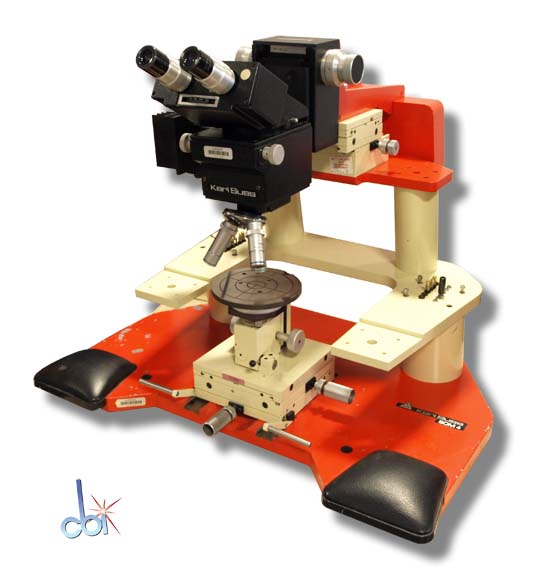
Analytical Wafer Probers
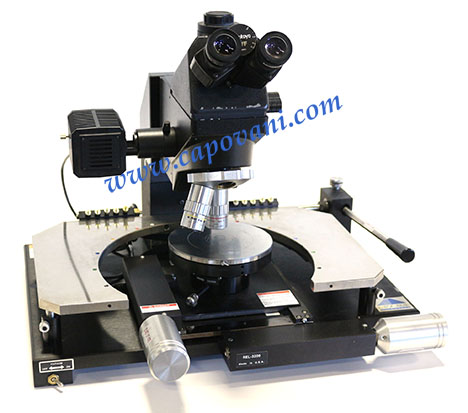
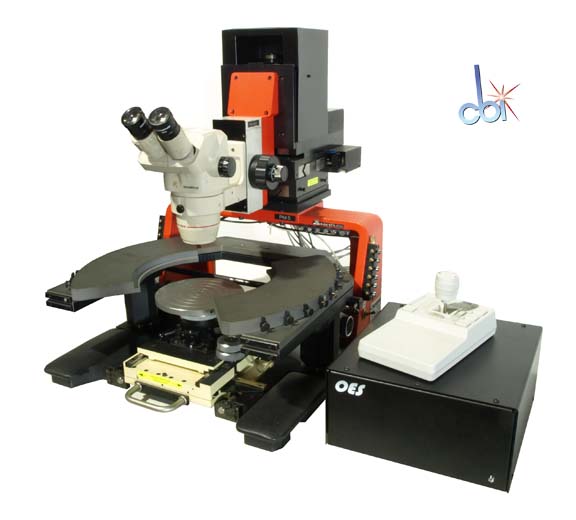
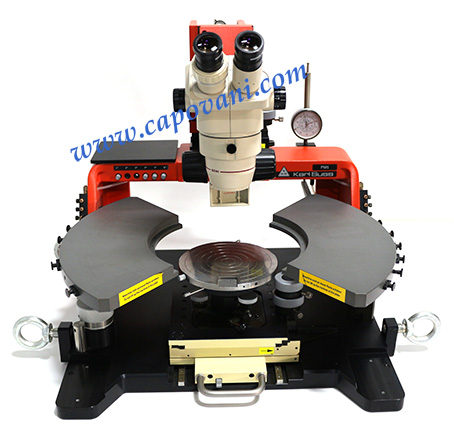
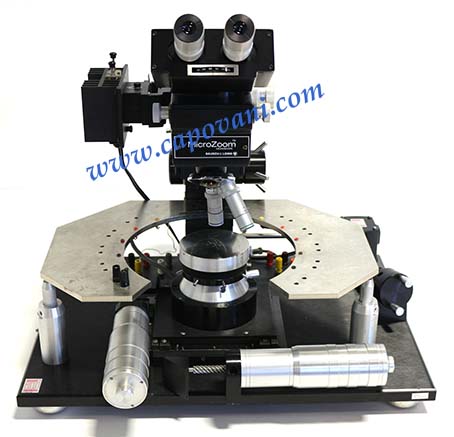
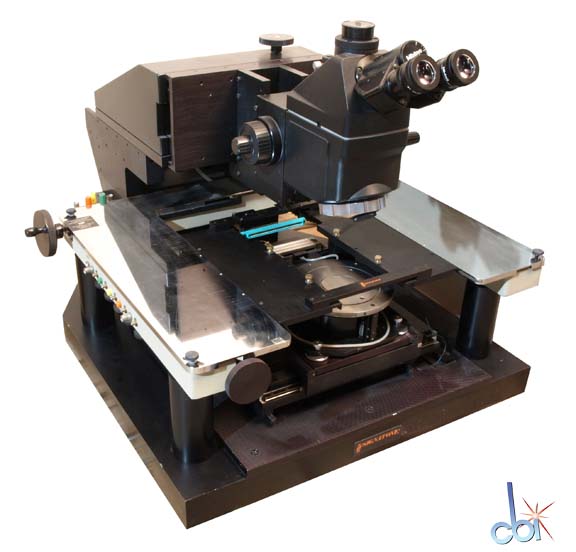
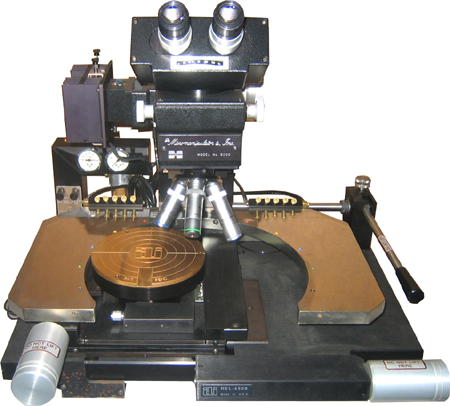
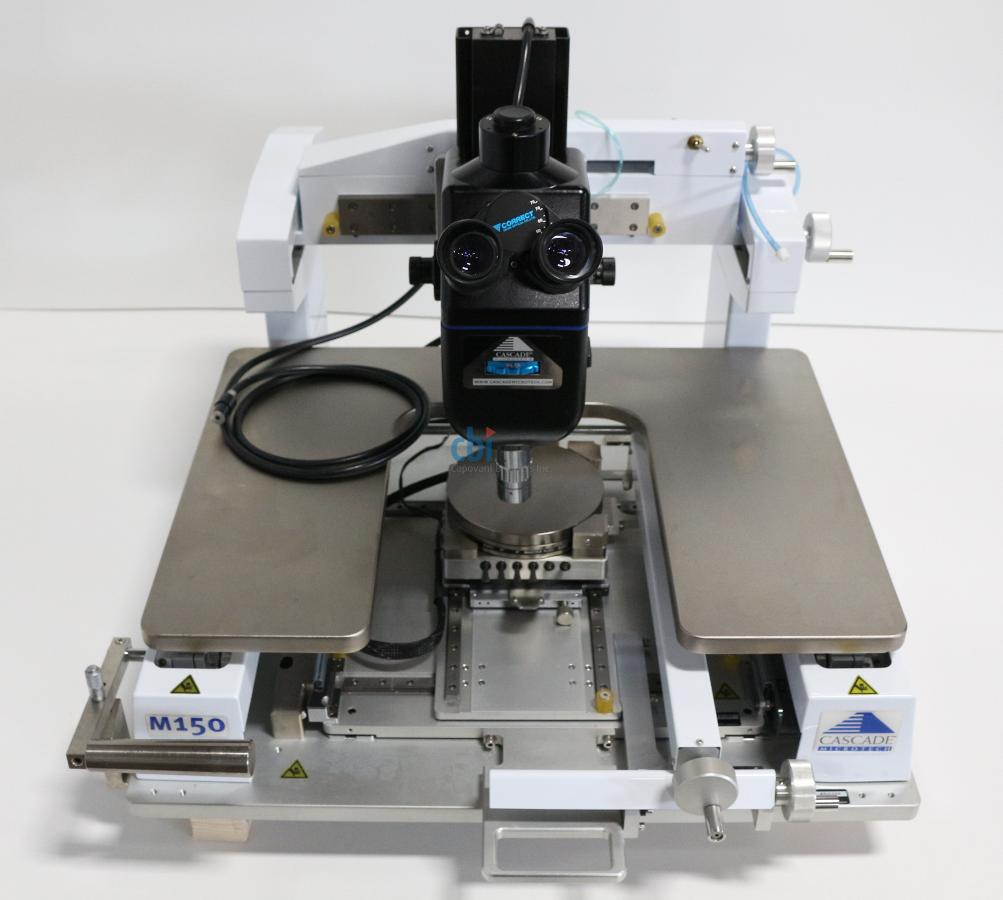
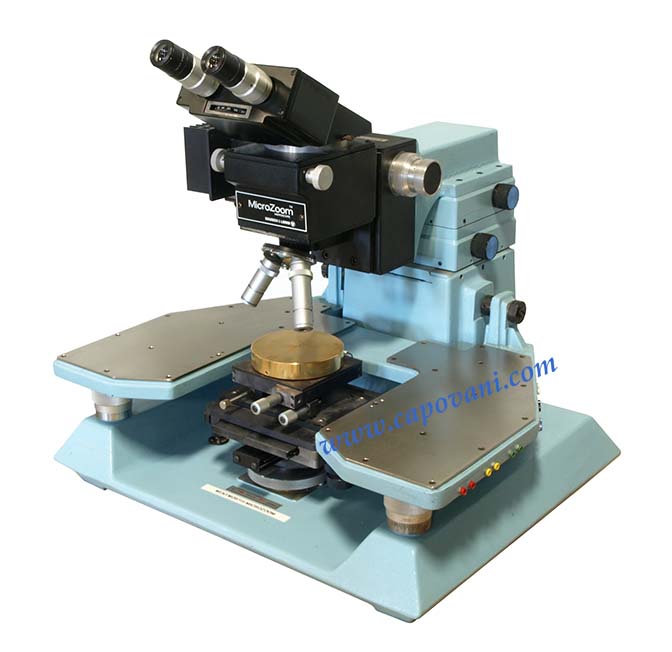
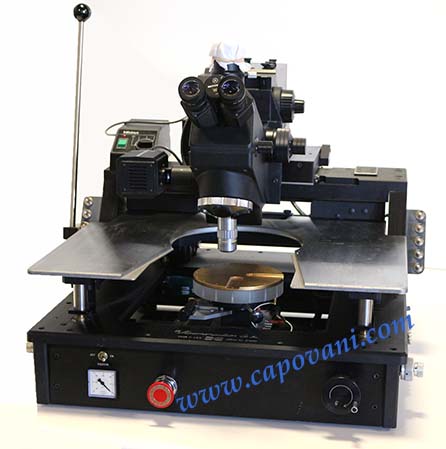
Analytical wafer probers are sophisticated systems designed to test and measure semiconductor wafers with high precision. These instruments support detailed analysis through capabilities like sub-micron resolution and offer features such as semi-automatic operation to enhance measurement accuracy and repeatability.
Popular Manufacturers
Common Applications
semiconductor wafer testing
defect analysis
electrical performance evaluation
failure analysis
Frequently Asked Questions
What are the key features of an analytical wafer prober?
Key features often include sub-micron resolution, semi-automatic operation, and capabilities for precise wafer testing in semiconductor applications.
How does sub-micron resolution benefit semiconductor testing?
Sub-micron resolution allows for extremely precise measurements, crucial for identifying defects and ensuring the quality and performance of semiconductor wafers.
Can wafer probers be used for both manual and automatic testing?
Yes, wafer probers can be configured for both manual and semi-automatic testing, providing flexibility depending on the specific requirements of the semiconductor analysis.
Why is repeatability important in wafer probing?
Repeatability ensures that tests provide consistent results across multiple trials, which is essential for reliable semiconductor testing and quality assurance.
Log in with your username/email address