
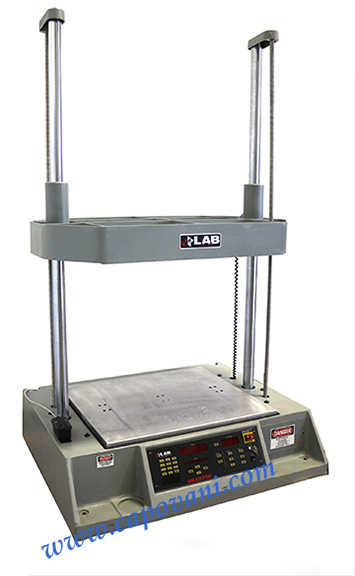
Electro Mechanical
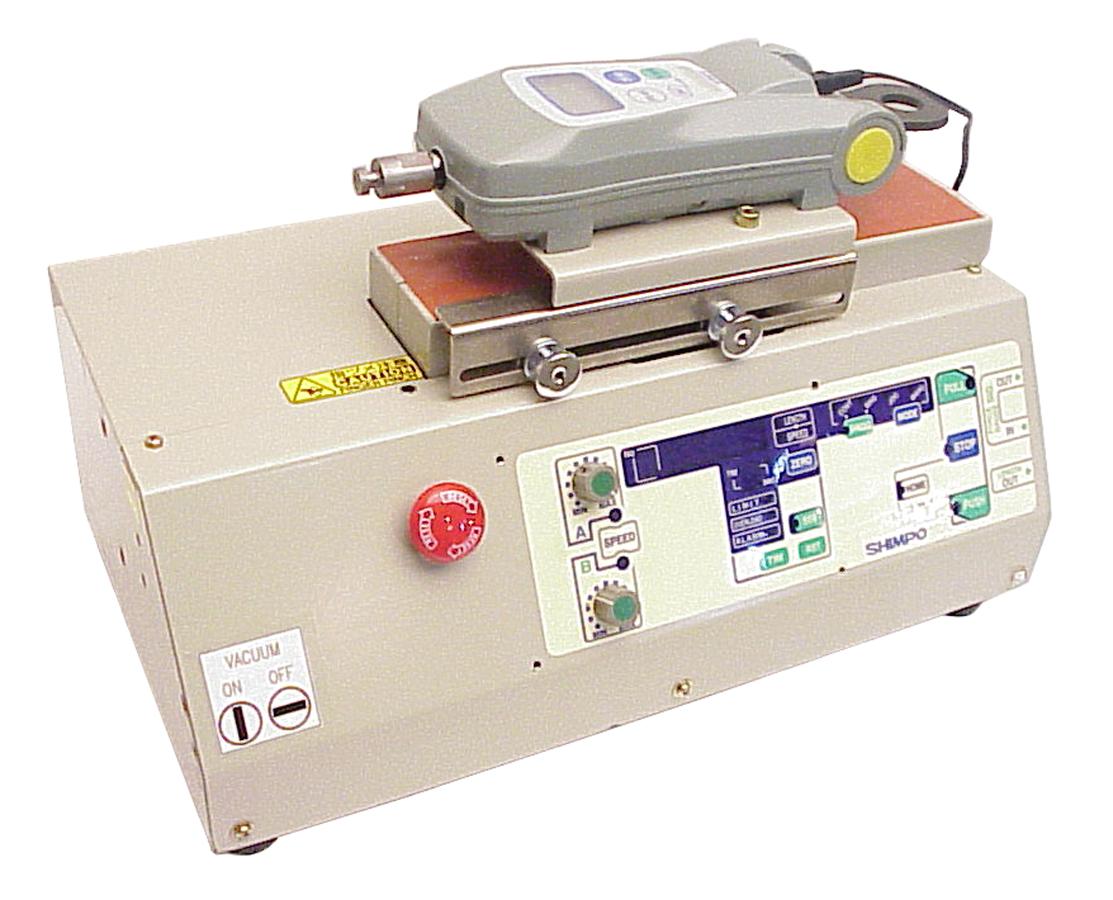
Electro Mechanical testing instruments are designed to evaluate the mechanical properties of materials under various loads and conditions. These devices provide critical measurement capabilities with high resolution and repeatability, supporting essential specifications such as force application up to 50 N, precision load cells, and traceable calibration standards.
-
-
-
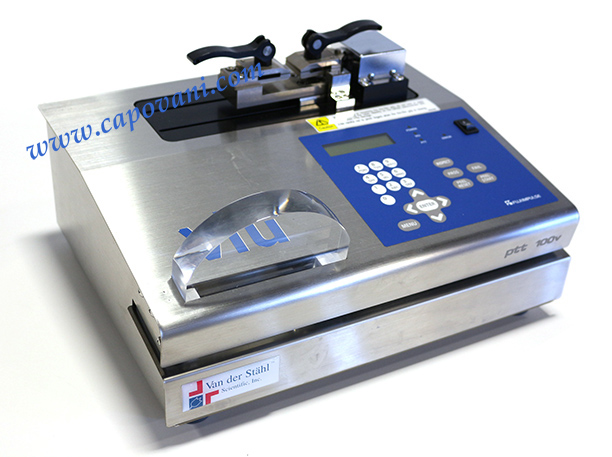
VAN DER STAHL SCIENTIFIC, INC. 100N PEEL TENSILE TESTER
Peel Tensile Tester with Visual Inspection Unit
The PPT-100V is a medical pouch package test and inspection unit.
Popular Manufacturers
Common Applications
material testing
quality control
mechanical property evaluation
compliance testing
research and development
Frequently Asked Questions
What is an electro mechanical testing instrument?
Electro mechanical testing instruments are devices used to measure the mechanical properties of materials, such as tensile and compressive strength, under controlled conditions.
What are the common applications of tensile testers?
Tensile testers are commonly used in quality control processes to determine the tensile strength, elongation, and modulus of elasticity of materials.
How do compression testers work?
Compression testers apply a compressive force to a sample to measure its resistance to deformation and are essential in assessing material stiffness and strength.
What specifications should be considered for electro mechanical instruments?
Key specifications include the force range, accuracy, repeatability, and calibration traceability, ensuring precise measurements for compliance and quality assurance.
Log in with your username/email address