
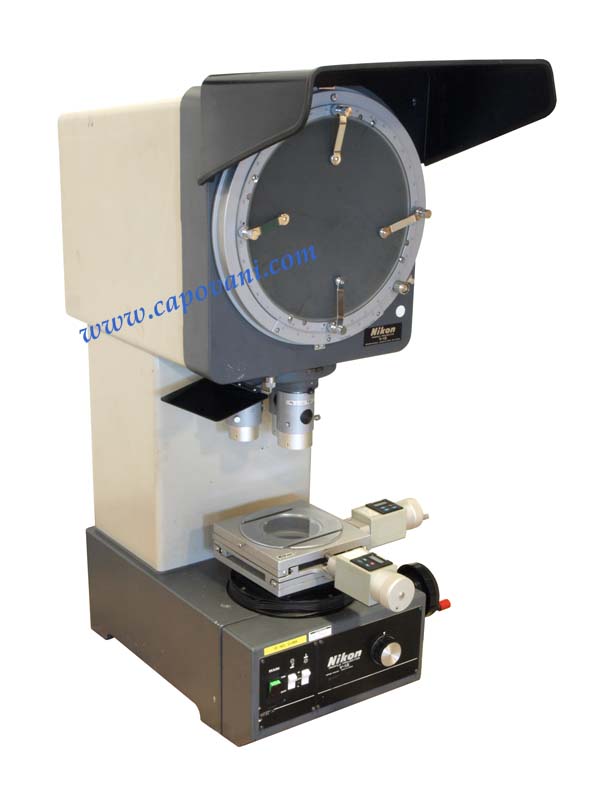
Comparators
Comparators are essential optical instruments used to compare physical dimensions against precise measurement standards. They provide unmatched measurement capabilities with high accuracy and resolution, supporting critical quality control processes.
Popular Manufacturers
Common Applications
quality control
dimensional inspection
manufacturing verification
Frequently Asked Questions
What is an optical comparator used for?
An optical comparator is used to measure and compare the physical dimensions of an object against precise standards, ensuring accuracy and quality control in manufacturing and inspection processes.
How do you calibrate an optical comparator?
Calibration of an optical comparator involves aligning its optics and scales against a standard reference or calibration artifact to ensure accuracy and repeatability in measurements.
What are key specifications to consider in a comparator?
Key specifications include resolution, accuracy, magnification power, and the size of the viewing screen, as these affect the clarity and precision of measurements.
Why is traceability important for comparators?
Traceability is crucial as it ensures that measurements are consistent and verifiable, linking them to a national or international standard to maintain quality and compliance.
Log in with your username/email address