
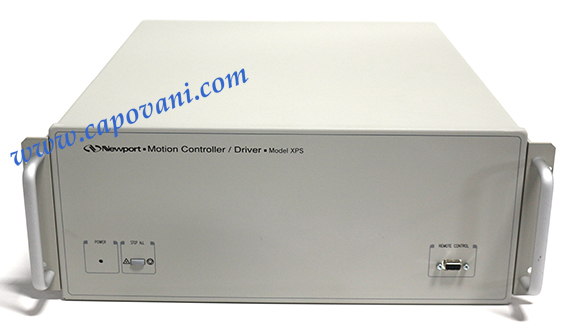
Positioning Controllers
Positioning controllers are essential devices for precise control of servo and stepper motors in multi-axis systems. They support precision motion applications with key specifications like voltage ratings, amperage, and multi-axis capability, ensuring reliable and accurate positioning for complex setups.
-
-
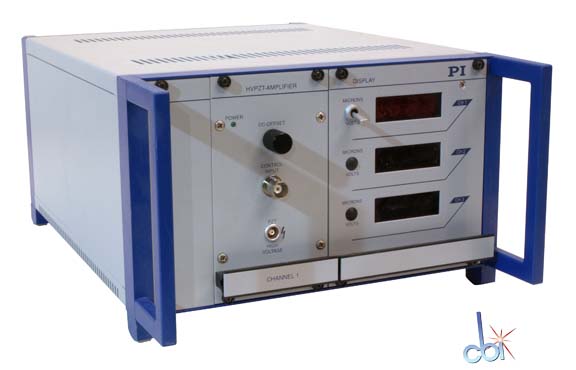
PHYSIK INSTRUMENTE E-501
Modular Piezo Control Systems
Includes: (1) Model E-507.00 HVPZT Piezo Amplifier Module (1) Model E-515.01 Display Module
-
-
-
-
-
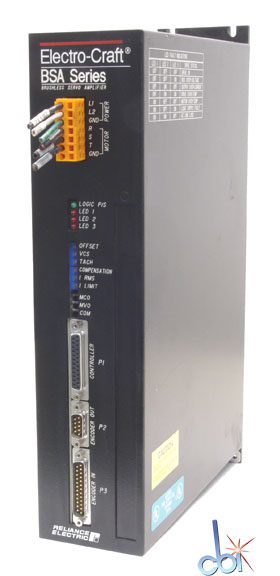
ELECTRO-CRAFT BSA-30
Servo Amplifier
Can only power on these units; cannot test. Will only ship within the US.
-
-
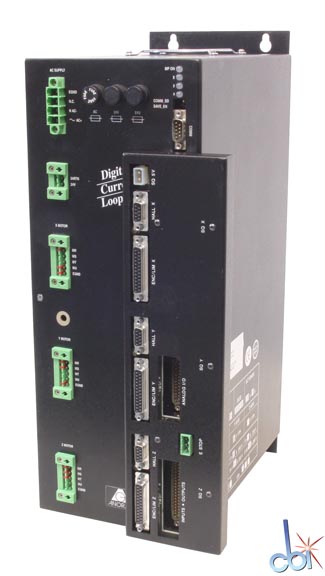
-
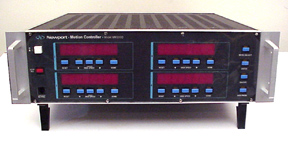
NEWPORT MOTION CONTROLLER/DRIVER, 4 AXIS
4 Axis Stepper Motion Controller
Newport Model MM3000-4
-
Popular Manufacturers
Common Applications
Precision Motion Applications
Laboratory Automation
Industrial Automation
Motor Control
Robotics
Multi-Axis Systems
Frequently Asked Questions
What are the main functions of a positioning controller?
Positioning controllers manage multi-axis motion systems by controlling the movements of servo and stepper motors, ensuring precision and accuracy in various applications.
What specifications are important for positioning controllers?
Key specifications include the number of axes it can control, voltage and amperage ratings, as well as the type of motors it supports, such as servo or stepper motors.
How do positioning controllers improve motion accuracy?
They utilize feedback from encoders and adjust motor commands in real-time to maintain precise positions, minimizing errors and enhancing repeatability.
Can these controllers be integrated with existing systems?
Yes, many positioning controllers are designed to be compatible with existing systems, featuring flexible interfaces and programmability to suit various setup requirements.
Log in with your username/email address