
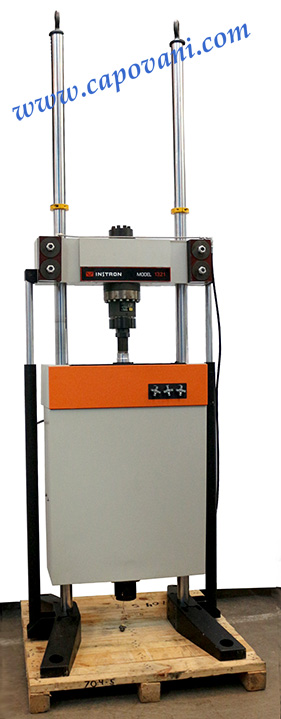
Servo Hydraulic
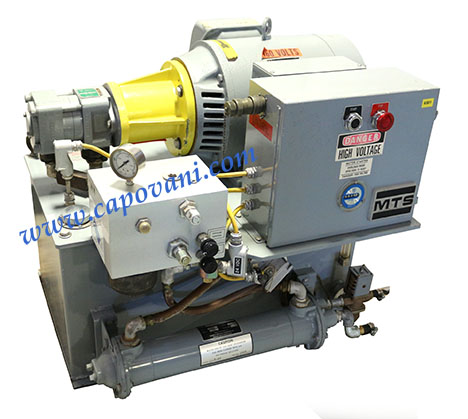
Servo hydraulic systems are advanced mechanisms designed for delivering precise force and position control in various testing applications. These systems enable high-frequency dynamic testing with power ratings reaching up to 3,000 PSI and flow rates of 6.4 GPM, ensuring the utmost accuracy and repeatability in performance evaluations.
Common Applications
Material Testing
Fatigue Testing
Component Evaluation
Dynamic Testing
Mechanical Property Analysis
Stress Testing
Frequently Asked Questions
What are servo hydraulic systems used for?
Servo hydraulic systems are primarily used in testing applications that require precise force and position control, including material fatigue testing and component evaluation.
What are the key specifications of hydraulic power supplies?
Hydraulic power supplies in servo systems typically offer power ratings up to 3,000 PSI and flow rates around 6.4 GPM, necessary for dynamic testing.
How do I ensure accurate calibration in servo hydraulic systems?
To ensure accurate calibration, regularly verify the system's pressure settings, flow rates, and check for system wear and tear in seals and valves.
What are the benefits of using an axial torsional test frame?
Axial torsional test frames provide precise axial and torsional load application, ideal for evaluating mechanical properties under complex stress states.
Log in with your username/email address