Optical Tables and Breadboards

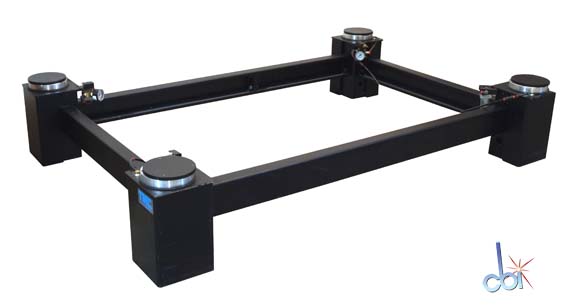
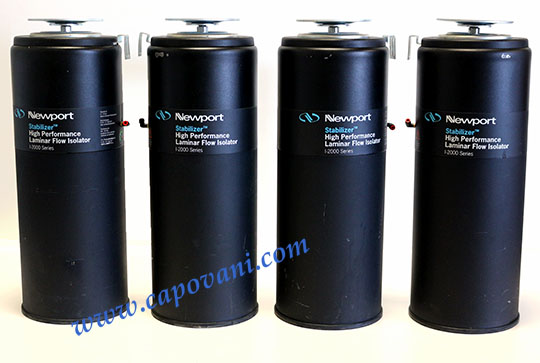
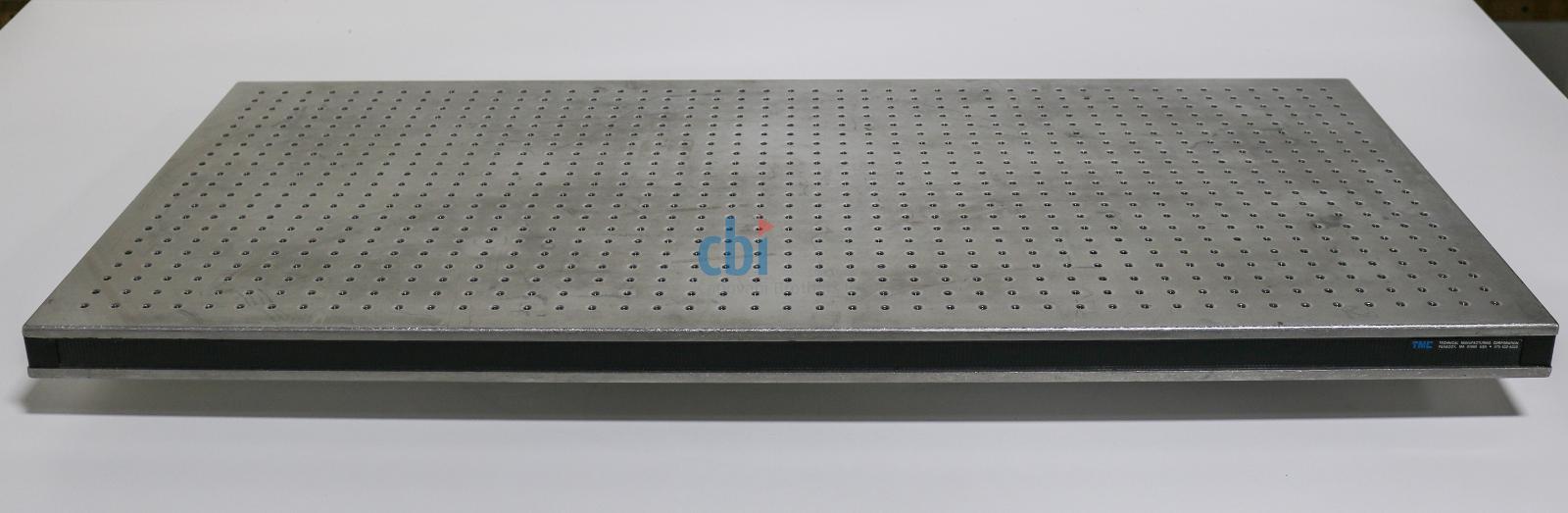
Optical tables and breadboards are essential for supporting sensitive optical experiments and setups, providing a stable and vibration-resistant platform. They ensure high measurement precision and optical alignment with features like laminar flow isolation and pneumatic levels, crucial for maintaining operational stability in demanding lab conditions.

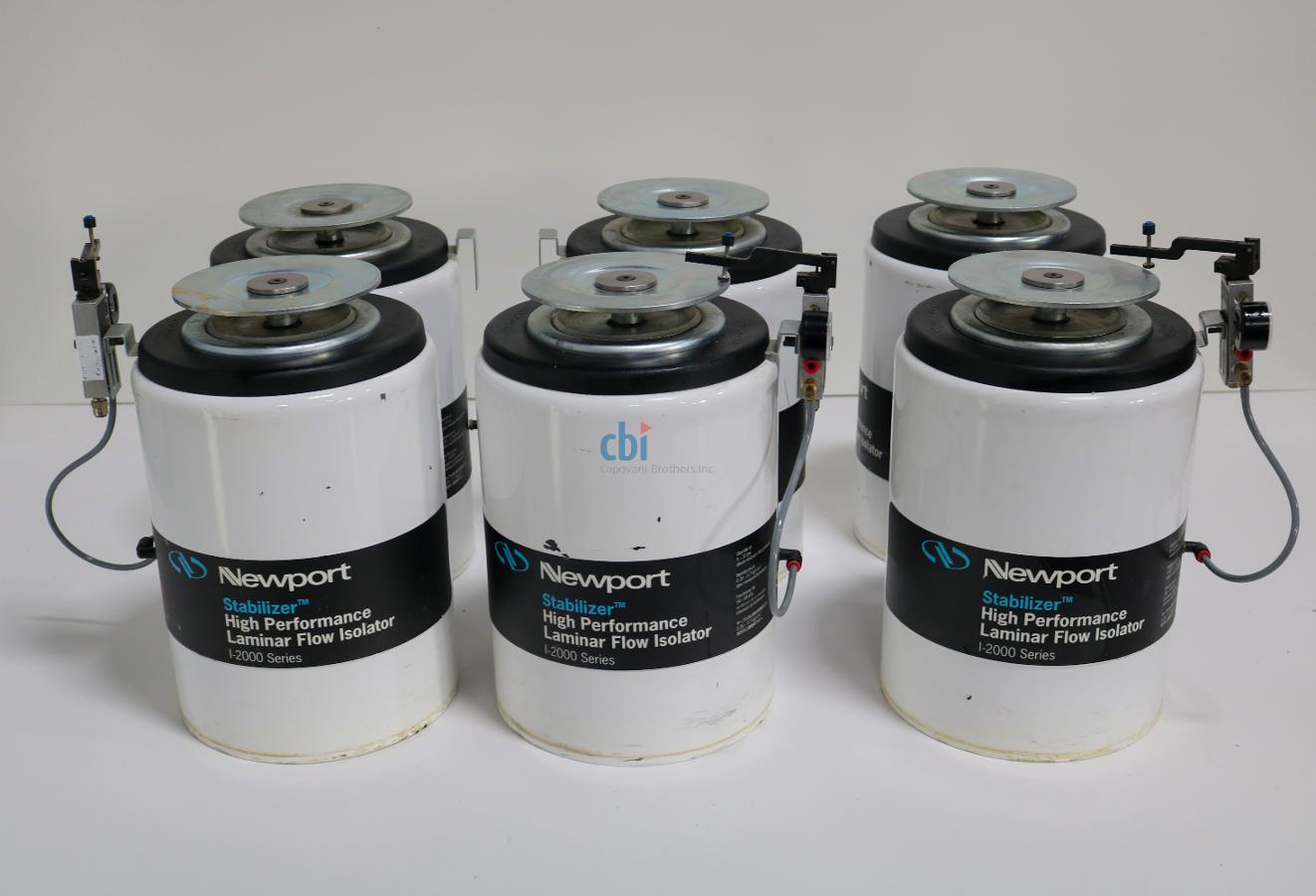
  1. NEWPORT HIGH PERFORMANCE VIBRATION ISOLATOR 16" HIGH SET OF 6

    Optical Tables and Breadboards

    NEWPORT HIGH PERFORMANCE VIBRATION ISOLATOR 16" HIGH SET OF 6

    High Performance Pneumatic Vibration Isolator - Set of Six 

    (3) Leveling Valves Included
Common Applications

precision optical experiments

laser alignment

vibration-sensitive measurements

laboratory research setups

Buying Guide

Optical Tables and Breadboards Buying Guide

Choosing the right optical table or breadboard is crucial for achieving accurate experimental results in precision laboratories. Consider the following key points when selecting these instruments:

Ensure that the table’s material and construction meet the rigidity and vibration damping requirements specific to your experimental needs. Opt for models with pneumatic isolation features if working in environments with significant ambient vibrations.

  • Verify the load capacity and weight distribution capabilities to support the intended experimental setup.
  • Look for options with pneumatic vibration isolation to minimize external disturbances.
  • Consider size and configuration flexibility to fit your lab space and future applications.
  • Check for compatibility with accessories such as leveling feet and acoustic enclosures for enhanced performance.

Frequently Asked Questions

What is the function of an optical table?
An optical table provides a stable and vibration-resistant surface for conducting precise optical and laser experiments, ensuring accurate measurements and alignment.
How does pneumatic isolation benefit optical tables?
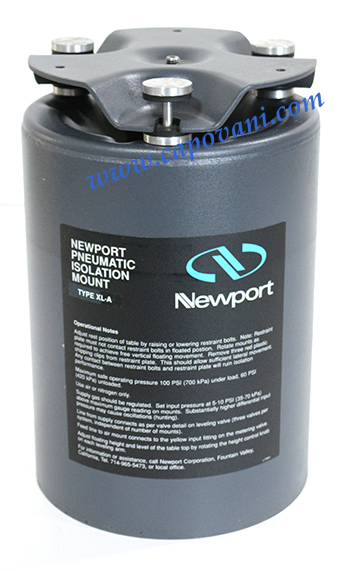
Pneumatic isolation helps reduce vibrations by using compressed air to support the tabletop, which is essential for maintaining measurement accuracy in sensitive experiments.
What materials are optical tables typically made from?
Optical tables are often constructed from materials like steel and aluminum that offer high rigidity and durability, combined with honeycomb structures for vibration damping.
Are optical tables adaptable to different laboratory environments?
Yes, optical tables can be equipped with features such as adjustable legs and pneumatic isolators to accommodate various lab conditions and experimental requirements.