
Other Sample Preparation
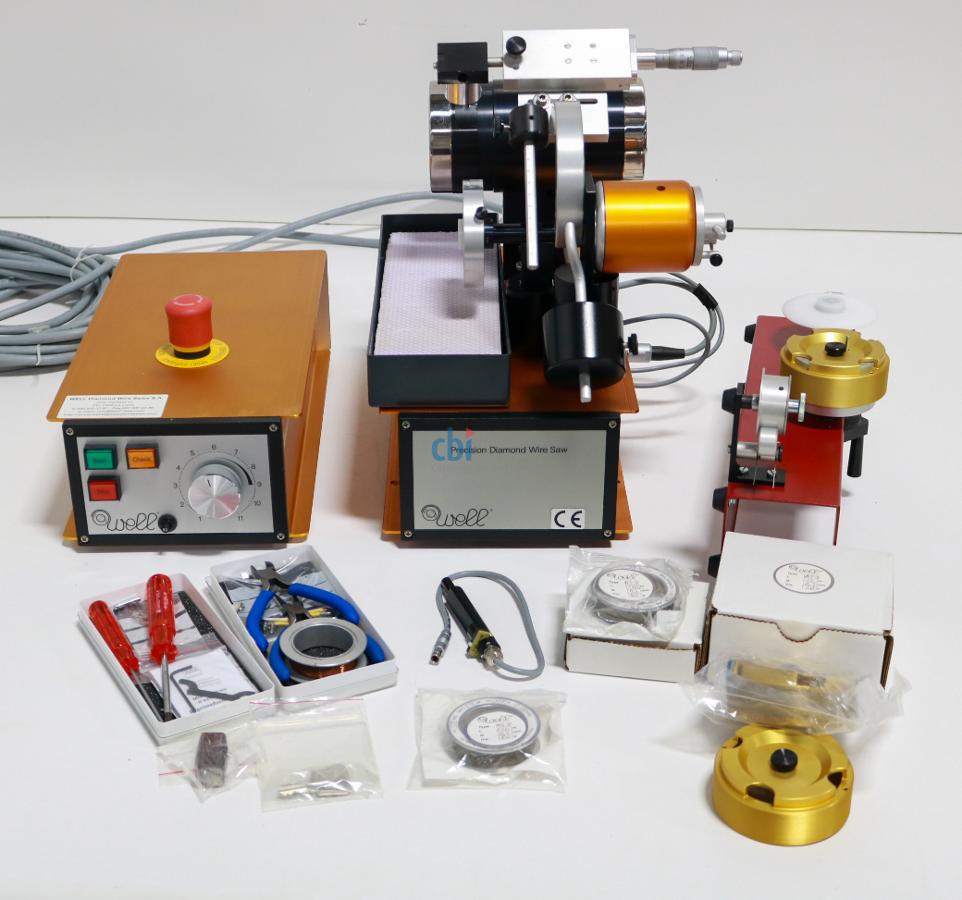
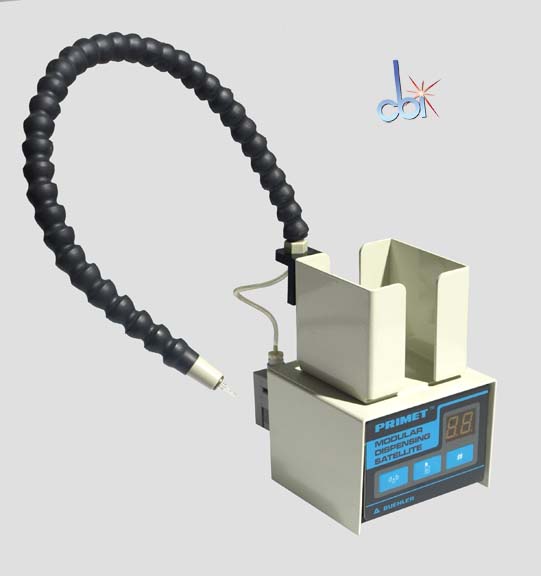
Other sample preparation systems are specialized tools designed for precise handling and processing of samples in laboratory environments. These systems offer capabilities such as low-temperature sectioning and modular dispensing, ensuring high accuracy and repeatability in sample preparation processes.
-
-

REICHERT/LEICA LOW TEMPERATURE SECTIONING SYSTEM
Low Temperature Sectioning System
-
Popular Manufacturers
Common Applications
low-temperature sectioning
modular dispensing
precision cutting
sample distribution
research laboratories
quality control
Frequently Asked Questions
What are the common types of sample preparation systems?
Common types include low-temperature sectioning systems and modular dispensing satellites, each designed for specific laboratory applications.
How do low-temperature sectioning systems work?
Low-temperature sectioning systems use controlled cooling to prepare samples, ensuring minimal thermal artifacts and preserving sample integrity.
What is the purpose of a modular dispensing system?
Modular dispensing systems are used to accurately distribute liquid or powder samples within a laboratory setup, offering flexibility and precision.
Are these sample preparation systems calibrated?
Yes, these systems are often calibrated to ensure traceable and consistent measurement performance, critical for laboratory accuracy.
Log in with your username/email address