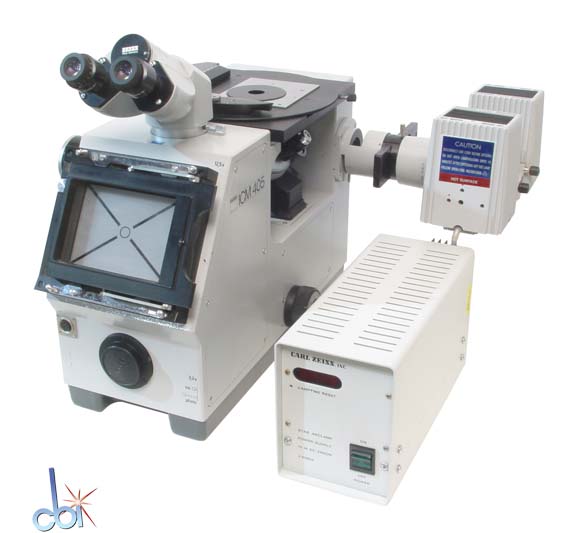
Inverted Microscopes

Inverted microscopes are advanced optical instruments designed for examining samples from below using brightfield and Differential Interference Contrast (DIC) methods. These systems offer high-resolution imaging capabilities crucial for detailed analysis, with specifications focused on magnification, contrast resolution, and optical clarity suitable for laboratory precision.

Common Applications

Cell Culture Analysis

Tissue Examination

Biological Research

Laboratory Imaging

Buying Guide

Inverted Microscopes Buying Guide

When selecting an inverted microscope, consider models with enhanced optical systems that support both brightfield and DIC imaging, crucial for detailed cell culture analysis.

Ensure the microscope provides high-resolution imaging capabilities to facilitate the observation of intricate cellular structures with clarity.

  • Verify the magnification range and compatibility with various objective lenses for adaptable imaging needs.
  • Check the quality of the illumination system, ensuring it supports both brightfield and DIC methods effectively.
  • Consider the ergonomic design for extended use, especially in laboratory environments requiring prolonged observation sessions.
  • Confirm that the microscope includes necessary accessories and is compatible with additional imaging equipment for enhanced functionality.

Frequently Asked Questions

What is the primary use of inverted microscopes?
Inverted microscopes are primarily used for observing cell cultures from below, making them ideal for analyzing adherent cells, tissue samples, and other biological specimens in laboratories.
How does an inverted microscope differ from a traditional microscope?
Unlike traditional microscopes, inverted microscopes have their light source and condenser positioned above the sample, allowing for easy observation of samples in liquid media and culture dishes.
What are the key components of an inverted microscope?
Key components of an inverted microscope include the stage, the objective lenses underneath the stage, and lighting systems such as brightfield and DIC setups for enhancing image contrast.
Why is DIC important in inverted microscopy?
DIC or Differential Interference Contrast is important as it enhances the contrast of transparent specimens without staining, providing clearer images that are essential for detailed analysis.