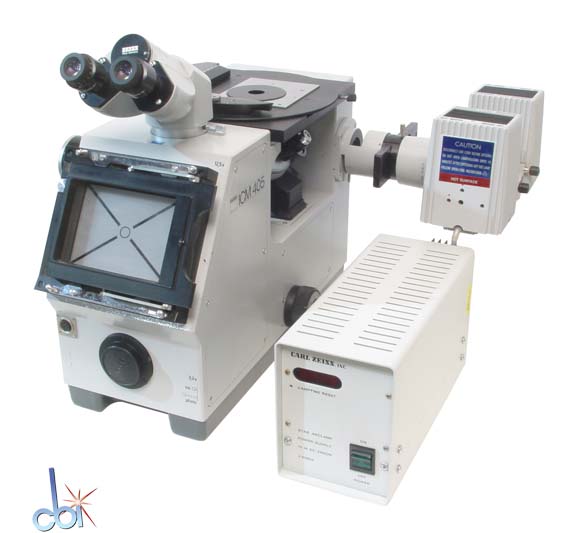
Inverted Microscopes Buying Guide
When selecting an inverted microscope, consider the specific imaging techniques you need, such as brightfield and differential interference contrast (DIC), to ensure compatibility with your research requirements. The objective lenses' resolution and numerical aperture are critical for achieving the desired image clarity and detail.
Examine the mechanical stage specifications, as precise control is essential for sample positioning and repeatability of measurements. Additionally, ensure that the microscope's optical configuration supports the desired specimen-container interface, such as petri dishes or tissue culture flasks.
- Verify the resolution and magnification range of the optical system to match your analysis needs.
- Check compatibility with various imaging techniques, such as DIC and phase contrast.
- Ensure that the mechanical stage offers fine control and stability for accurate measurements.
- Evaluate the microscope's ergonomic design for ease of use during prolonged observation periods.