Upright Microscopes

Upright microscopes are essential tools in laboratory settings, facilitating detailed observation of samples using transmitted and reflected light techniques. These instruments offer high-resolution capabilities and precise optical geometry, supporting measurements with documented calibration and traceability.

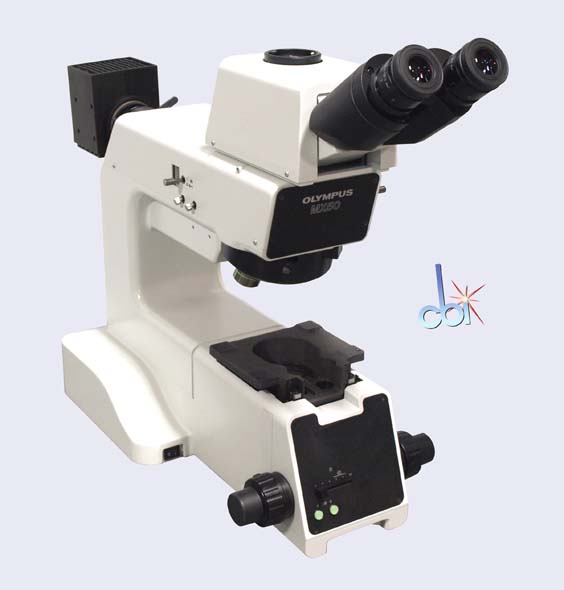
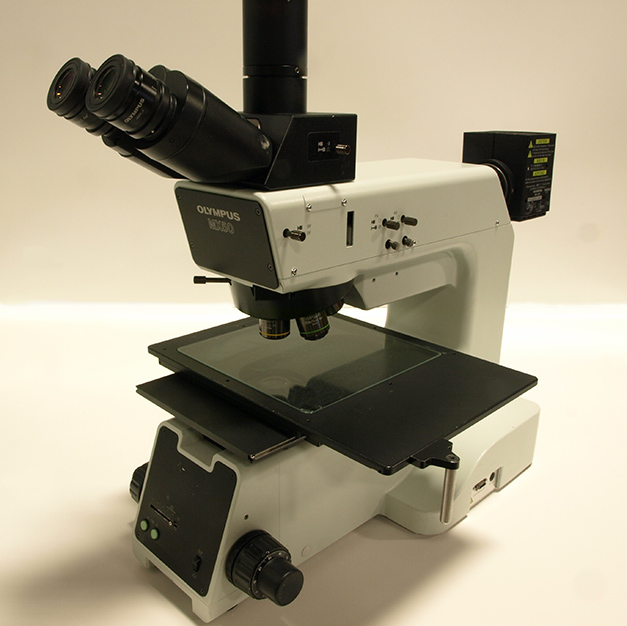
  1. OLYMPUS MICROSCOPE, REFLECTED LIGHT - BRIGHTFIELD, DARKFIELD/DIC

    Upright Microscopes

    OLYMPUS MICROSCOPE, REFLECTED LIGHT - BRIGHTFIELD, DARKFIELD/DIC

    Reflected Light Real-Time Confocal Microscope
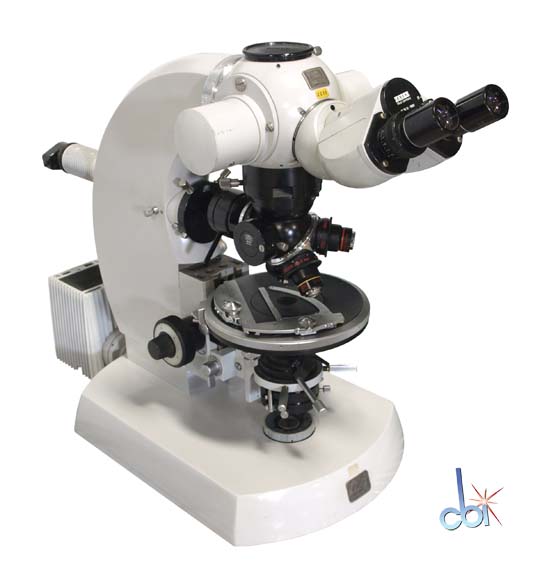
  2. ZEISS MICROSCOPE, REFLECTED/TRANSMITTED LIGHT

    Upright Microscopes

    ZEISS MICROSCOPE, REFLECTED/TRANSMITTED LIGHT

    Reflected/Transmitted Light Microscope, Brightfield and DIC
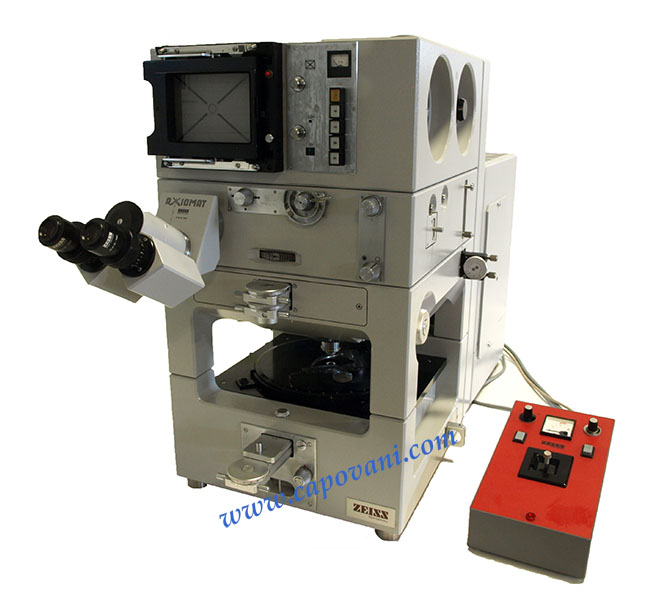
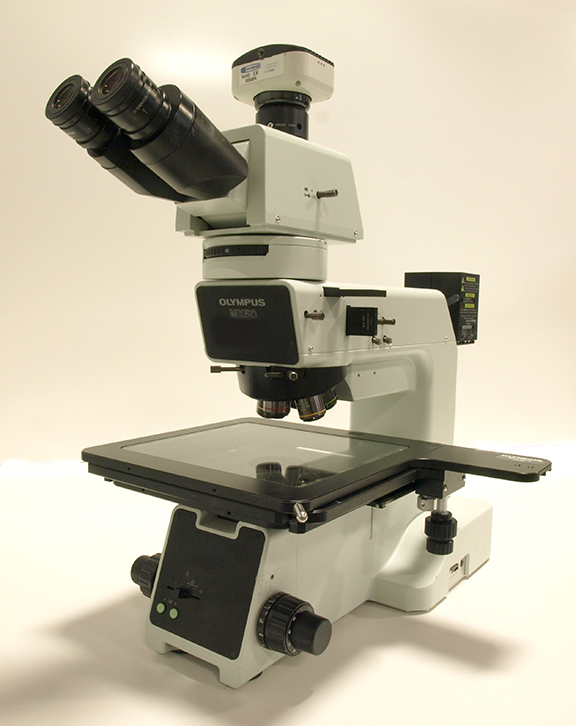
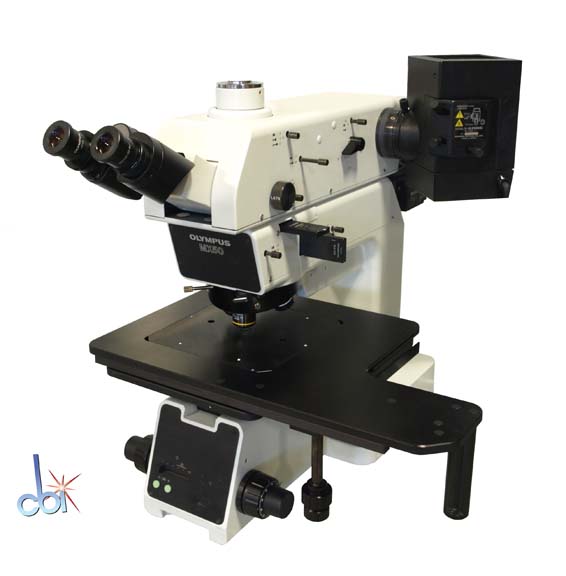
  3. OLYMPUS MICROSCOPE, REFLECTED LIGHT

    Upright Microscopes

    OLYMPUS MICROSCOPE, REFLECTED LIGHT

    Brightfield Darkfield

    NB: Qimaging Camera and phototube shown are not included.
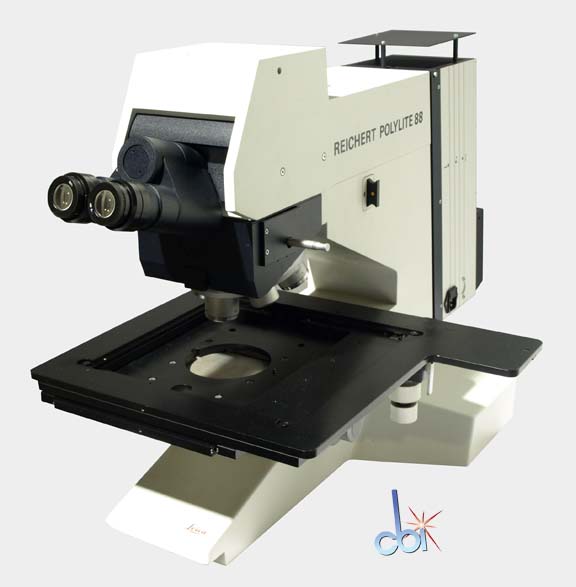
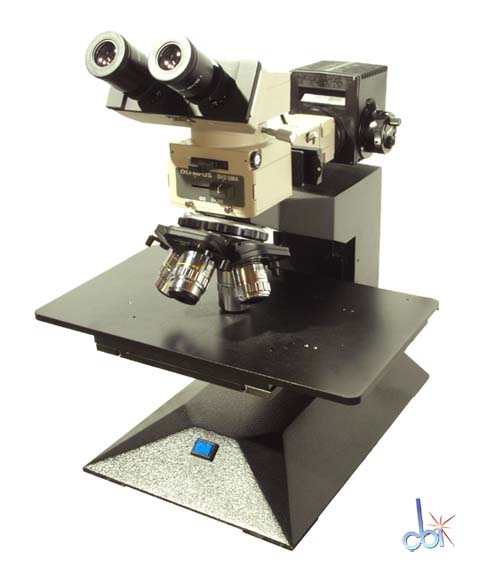
  4. LEICA/REICHERT MICROSCOPE, REFLECTED LIGHT - BRIGHTFIELD & DARKFIELD

    Upright Microscopes

    LEICA/REICHERT MICROSCOPE, REFLECTED LIGHT - BRIGHTFIELD & DARKFIELD

    Polylite 88 Reflected Light Microscope
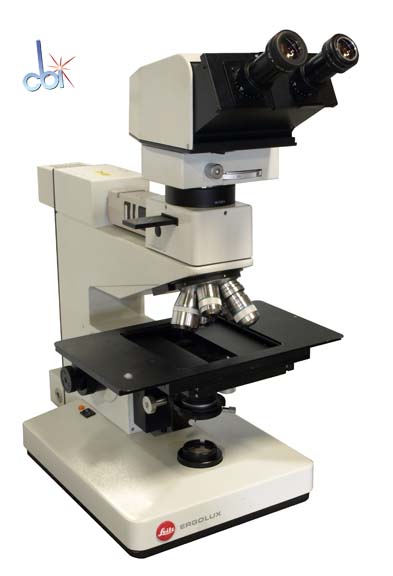
  5. LEITZ MICROSCOPE, REFLECTED LIGHT - BRIGHTFIELD & DARKFIELD

    Upright Microscopes

    LEITZ MICROSCOPE, REFLECTED LIGHT - BRIGHTFIELD & DARKFIELD

    Brightfield Reflected Light/Transmitted Light Microscope
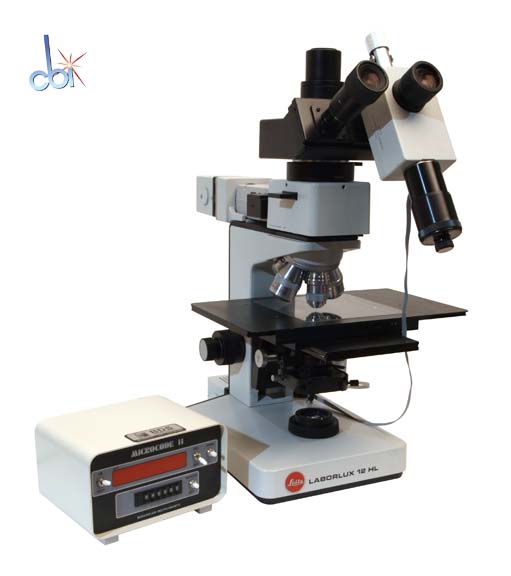
  6. LEITZ BRIGHTFIELD/DARKFIELD FILAR EYEPIECE

    Upright Microscopes

    LEITZ BRIGHTFIELD/DARKFIELD FILAR EYEPIECE

    Brightfield, Darkfield and DICLeitz Filar Eyepiece with Boeckeler Micrometer and Readout
Common Applications

Metallurgical Analysis

Biological Research

Material Science

Reflected Light Observation

Transmitted Light Observation

Precision Optical Measurement

Buying Guide

Upright Microscopes Buying Guide

Choosing the right upright microscope involves understanding your specific measurement needs and the applications you intend to support. These versatile instruments must offer precision and flexibility across multiple observational techniques.

Consider the following aspects to ensure you select the most appropriate model:

  • Verify the instrument's optical geometry and resolution capabilities for your specific research needs.
  • Ensure that the microscope supports the necessary contrast methods such as brightfield, darkfield, and DIC.
  • Check the calibration status and traceability documentation to ensure measurement accuracy.
  • Evaluate the compatibility with your existing laboratory equipment and necessary accessories.

Frequently Asked Questions

What are upright microscopes used for?
Upright microscopes are commonly used in metallurgical analysis and biological research, offering detailed examination using brightfield, darkfield, and differential interference contrast (DIC) techniques.
What is the difference between reflected and transmitted light microscopy in upright microscopes?
Reflected light microscopy illuminates the surface of opaque samples, while transmitted light microscopy passes light through transparent samples, providing different observational techniques.
How do I ensure accuracy and precision in my microscope measurements?
To ensure precision, verify the calibration status of your microscope and its optical components, and utilize instruments with documented measurement performance characteristics.
Do upright microscopes support DIC?
Yes, many upright microscopes support Differential Interference Contrast (DIC), providing enhanced contrast for transparent specimens.